
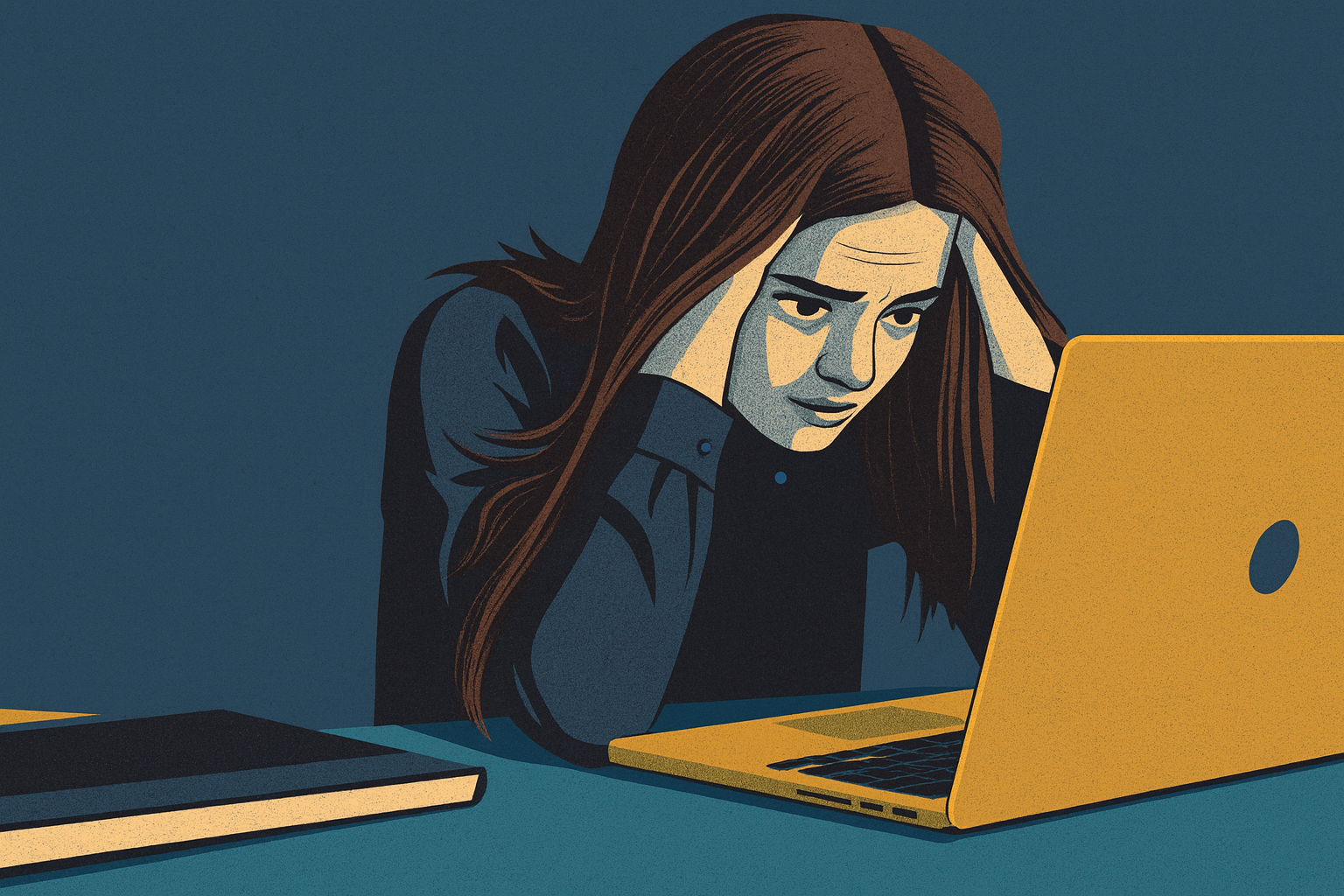
Many organisations talk about harassment as if it were a compliance topic: policy, training, a hotline, and an investigation process. The EU’s latest gender-based violence survey analysis suggests the risk is broader, and the reporting picture is thinner, than most leadership teams would recognise.
The report, produced by the EU Agency for Fundamental Rights (FRA) and the European Institute for Gender Equality (EIGE), finds that 30.7% of women in the EU have experienced physical violence — including threats — and/or sexual violence during adulthood. It also finds that nearly one in three ever-working women in the EU-27 — 30.8% — have experienced sexual harassment at work in their lifetimes, with 4.3% reporting it in the 12 months before the survey.
In the same survey, 78.0% of women who experienced workplace sexual harassment said they talked to someone close about what happened, but only 37.3% reported it to an official body or authority. A pattern that never reaches a formal channel will not appear in internal reports or risk registers.
The age split sharpens the point. Women aged 18–29 report the highest prevalence of workplace sexual harassment, at 41.6%. Yet younger women report incidents at lower rates than older women — 37.0% compared with 47.3% — despite experiencing higher prevalence. If your workforce skews younger, formal reporting metrics may be a weak proxy for lived experience.
Part of the explanation is how work is organised now. The report notes that digital communication extends workplace harassment beyond regular hours into private life, blurring traditional work–life boundaries while creating digital evidence trails. In the survey, “sexual harassment at work” includes acts occurring during work activities regardless of location and covers sexually explicit messages and inappropriate advances via social networking services.
On that definition, 7.0% of ever-working women in the EU-27 report sexual cyber harassment at work. The most common acts reported are staring or leering (24.8%), sexual jokes and remarks (19.1%), and unwanted physical contact (13.9%).
The survey also shows where organisational controls should focus. It finds that 15.8% of ever-working women have been harassed by male coworkers, 7.4% by male bosses or supervisors, and 9.3% by other men in work contexts such as clients or customers. For 18.4% of women in the EU-27, the harassment consisted of a series of episodes rather than a one-time event.
The client and customer exposure is routinely under-managed. Many companies brief staff on customer experience, but not on customer misconduct. For sectors built on face-to-face service, sales, travel, and events, it is a material risk.
The data also points to a gap between policy and usability. Only 19.9% of women say their workplace offers training on what to do if they have been sexually harassed. A third (33.2%) say there is a contact person at work, and 59.6% know where to seek help. When reporting feels career-limiting, confusing, or slow, informal disclosure becomes the default.
Regulation is moving towards prevention. Member States are incorporating the EU’s Violence against Women Directive into national law, with 14 June 2027 the deadline for adopting the necessary legislation. In the UK, since October 2024, employers have a statutory duty to take reasonable steps to prevent sexual harassment of workers under amendments to the Equality Act 2010.
A workplace that treats harassment prevention seriously tends to look less like a poster campaign and more like a control framework. Clear reporting routes that employees can find in seconds, managers trained for first response, and explicit escalation paths for incidents involving clients or customers are part of that structure. Digital channels also require the same expectations as physical workplaces.
The EU survey’s workplace results sit uncomfortably beside many corporate dashboards. At scale, 30.8% is not a problem handled one case at a time. It is a management issue — measurable and, for many organisations, still largely unseen.

You must be logged in to post a comment.