
-

Energy delivery is exposing a widening shortage of experienced leaders. Newman Stewart says retirement, specialist demand, and international competition are placing major infrastructure and decarbonisation projects under increasing workforce pressure.
-

Port of Tyne has secured coordinated environmental regulatory support today. Its proposed £175m Clean Energy Park could add deep-water infrastructure, support offshore wind manufacturing, and create up to 12,000 jobs.
-

Business groups want electricity charges removed to revive British investment. CBI and Energy UK estimate that reform could add £130bn to economic output while reducing some companies’ total energy costs by up to 20%.
-

Microsoft’s expanding AI estate has pushed reported emissions sharply higher. Combined Scope 1, 2, and 3 emissions rose by 25%, intensifying scrutiny of data-centre growth and the company’s 2030 climate commitments.
-
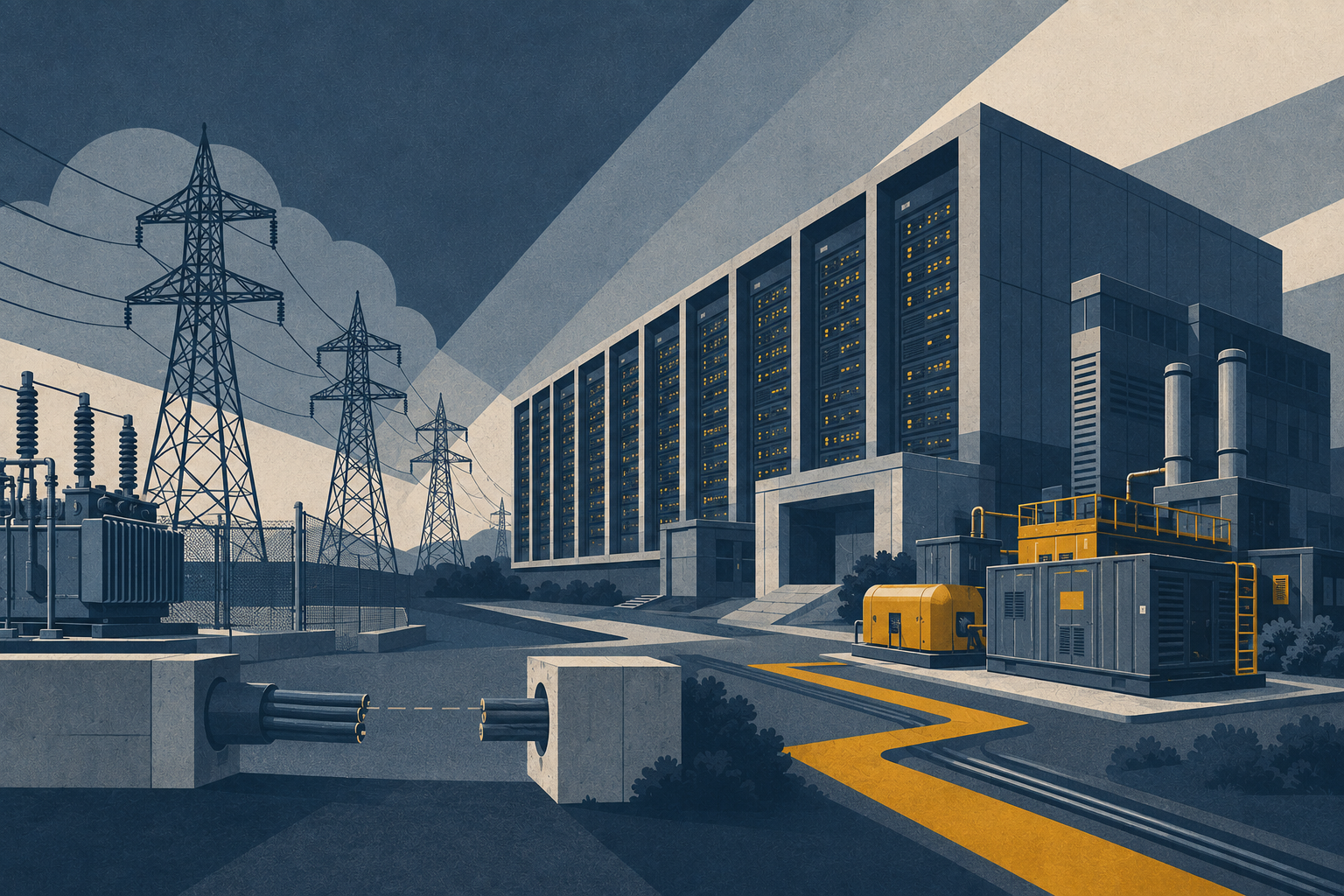
Grid delays are reshaping Britain’s flagship AI infrastructure ambitions today. Nscale is examining alternative power arrangements for its planned £2bn Essex campus as electricity-network constraints collide with rapidly expanding demand for compute.
-
Carbon market infrastructure is expanding as integrity pressure rises globally. VCM has added UK and European participants as voluntary carbon markets try to improve transparency, access, and confidence.
-

Green employment has grown, but the latest data is uneven. ONS estimates show a decade of expansion alongside a 2024 dip, with energy efficiency and waste activity under pressure.
-
The ASA ruling sharpens scrutiny of environmental marketing claims again. The case shows how broad emissions language can become misleading without precise evidence and qualification.
-

Europe has reduced the weight of sustainability reporting requirements. Revised ESRS rules cut datapoints, add flexibility, and introduce a voluntary standard for smaller companies outside CSRD scope.
-
Thames Water must strengthen the case for a major scheme. Ofwat has allowed the reservoir link to progress, while demanding more evidence on cost, alternatives, and environmental impact.