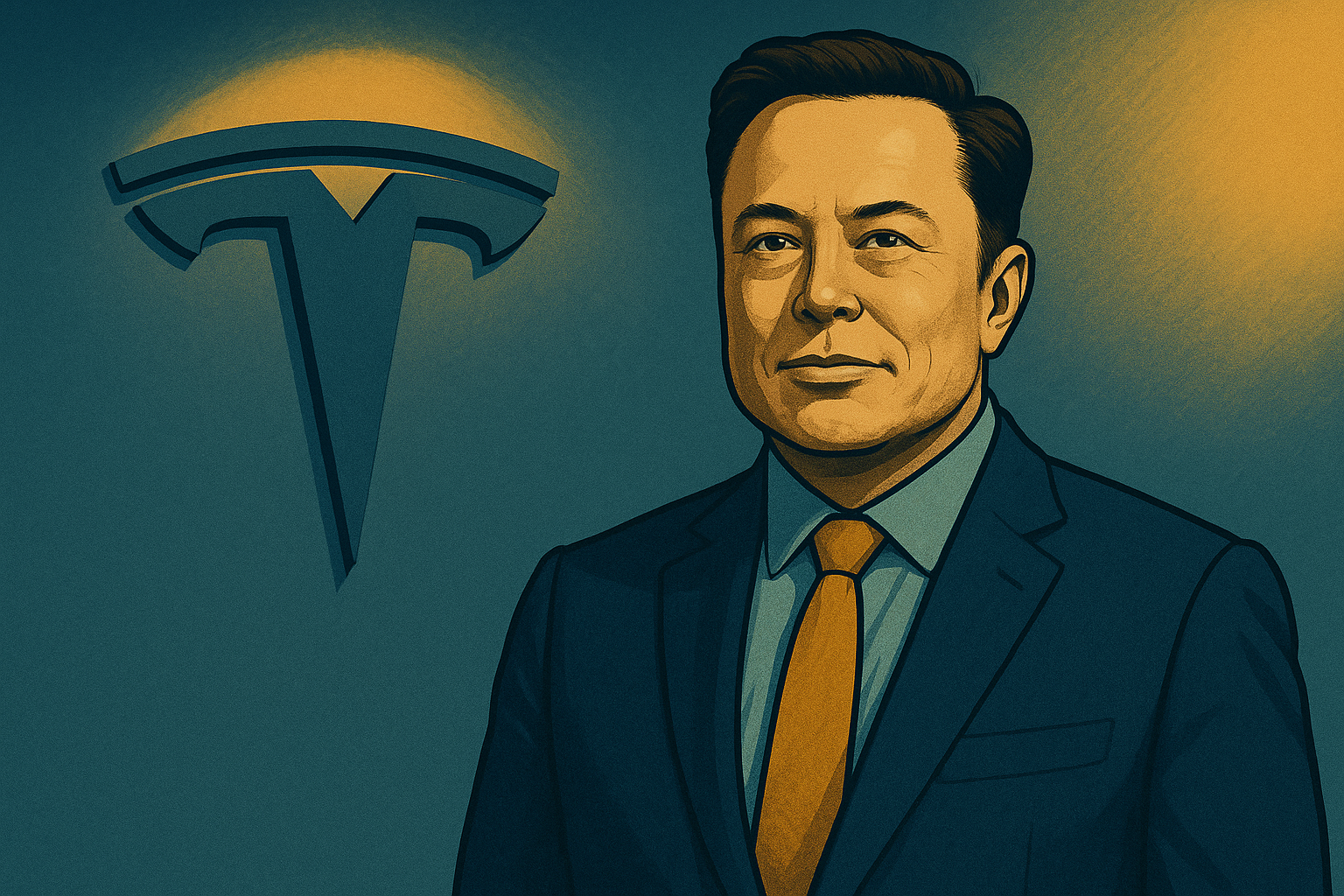
Tesla shareholders have approved one of the largest executive compensation packages in corporate history — a performance-based pay plan for CEO Elon Musk that could reach a notional value of $1 trillion if the company meets a set of ambitious growth targets over the next decade.
The vote, held at Tesla’s annual meeting in Austin, Texas, saw more than three-quarters of shareholders back the award, despite opposition from several major institutional investors and proxy advisers. The plan revives a 2018 scheme that was struck down earlier this year by a Delaware court, which described it as “unfathomable” in scale.
Under the new proposal, Musk’s payout is tied to a series of performance milestones — including Tesla reaching a market capitalisation of about $8.5 trillion, producing 20 million vehicles a year, and launching 1 million robotaxis and 1 million humanoid robots by 2035. The board values the total potential award at roughly $878 billion after accounting for timing and dilution.
Institutional Shareholder Services warned ahead of the vote that the high value of each tranche could “undermine Musk’s desire to achieve all goals and create significant value for shareholders.” Tesla’s board countered that the package was essential to retain Musk’s leadership through what it called the company’s “next chapter” — focused on artificial intelligence, robotics, and autonomous mobility.
Shareholders also backed a motion allowing Tesla to consider investing in Musk’s separate AI venture, xAI, although the measure attracted a high number of abstentions.
The outcome highlights investor confidence in Musk, who has positioned Tesla as a diversified technology company rather than a pure electric-vehicle manufacturer. Analysts note that the result also consolidates his influence over Tesla’s long-term strategy, even as the business faces slowing sales in Europe, intensifying competition in China, and heightened scrutiny of Musk’s public commentary.
The package is entirely performance-based: Musk will receive no salary or cash bonus, and each tranche of stock options vests only when Tesla’s market valuation and operational metrics reach defined thresholds. If all are achieved, he could become the world’s first trillionaire.
Tesla’s board said the plan “aligns shareholder and leadership interests over the long term.” Its approval, however, renews debate about corporate governance and accountability at scale. For now, investors appear willing to back Musk’s vision — and the extraordinary targets that underpin it.