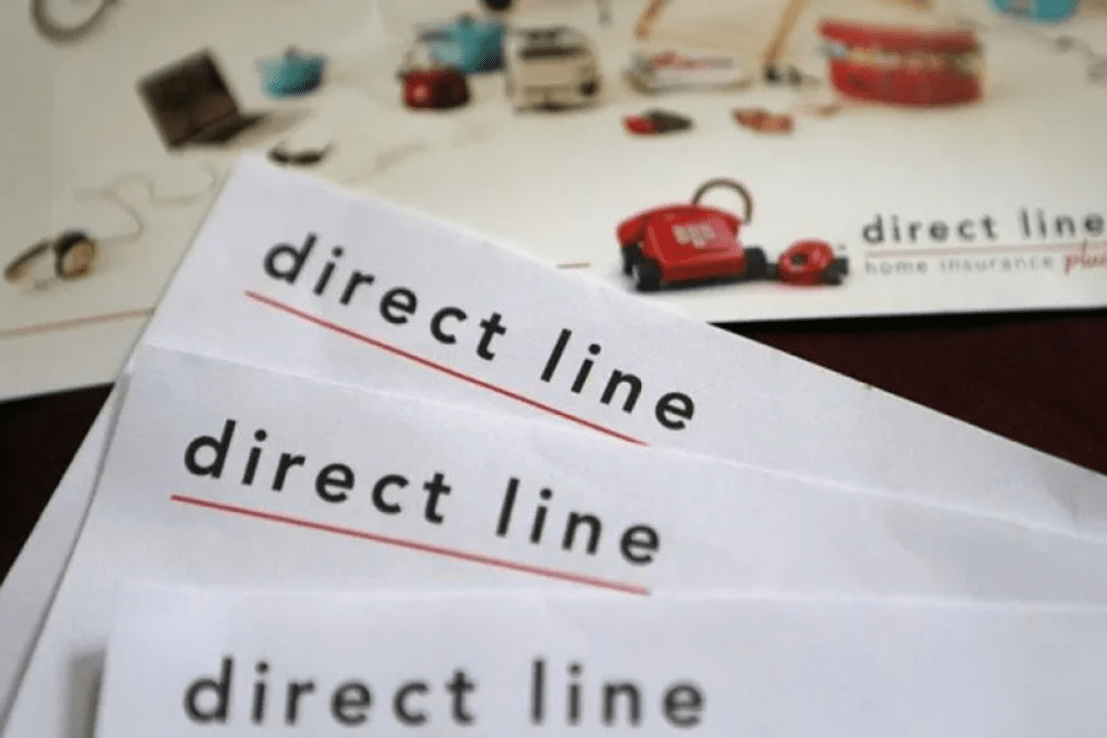
The UK’s competition watchdog has launched a formal investigation into Aviva’s proposed £3.7bn takeover of Direct Line.
The Competition and Markets Authority (CMA) said it had opened a phase one inquiry to assess whether the deal presents a “realistic prospect of a substantial lessening of competition”. The regulator has invited comments from interested parties until the end of May, and it intends to issue a decision by 10 July. Should concerns remain at that point, the merger will either be cleared or proceed to a more rigorous phase two investigation, where the companies involved can propose remedies.
Aviva and Direct Line reached a preliminary agreement on the terms of the potential acquisition in December 2024. Under the offer, Direct Line shareholders would receive 129.7p in cash, a 5p dividend, and 0.3 new Aviva shares for each Direct Line share held. This valued Direct Line at 275p per share—representing a 73 per cent premium on its closing price prior to the offer and a 50 per cent premium on its average share price over the preceding six months.
Prior to this agreed bid, Direct Line had rejected an earlier offer from Aviva that would have valued its shares at 250p apiece.
Aviva said the takeover made strategic sense and would “further accelerate capital-light growth and customer ambitions in line with Aviva’s strategy”. The company expects the merger to generate up to £125m in cost synergies.
Founded in 1985 as the insurance arm of the Royal Bank of Scotland, Direct Line became an independent business when it was floated on the London Stock Exchange in 2012.
The CMA’s investigation comes just as the government is pushing for a more business-friendly regulatory environment. Ministers have asked 17 major regulators, including the CMA, to identify ways to ease the burden on businesses and help stimulate economic growth.
In January, CMA chair Marcus Bokkerink was forced to step down at the request of Business Secretary Jonathan Reynolds, as the government moved to underline its pro-growth agenda. Reynolds commented: “This government has a clear plan for change – to boost growth for businesses and communities across the UK. As we’ve set out, we want to see regulators including the CMA supercharging the economy with pro-business decisions that will drive prosperity and growth, putting more money in people’s pockets.”