
-

UK steel sector faces unprecedented crisis amid EU tariff hike. The European Union’s decision to double tariffs on steel imports threatens the UK steel industry, which exported 78% of its steel to the EU last year. Industry leaders warn of severe impacts on domestic production.
-

Nearly five months after its unveiling, the US–UAE AI chip pact remains stalled. Nvidia’s CEO and some officials see the delays as emblematic of deeper tensions around export controls, foreign investment, and the geopolitics of advanced technology.
-

Independent workplace investigations are now central to leadership accountability. Daniel Stander, an international employment lawyer in the London office of Vedder Price LLP, explains why UK employers must prepare for NDA reforms and ensure credible, well-scoped probes to safeguard reputation, culture, and compliance when allegations arise.
-
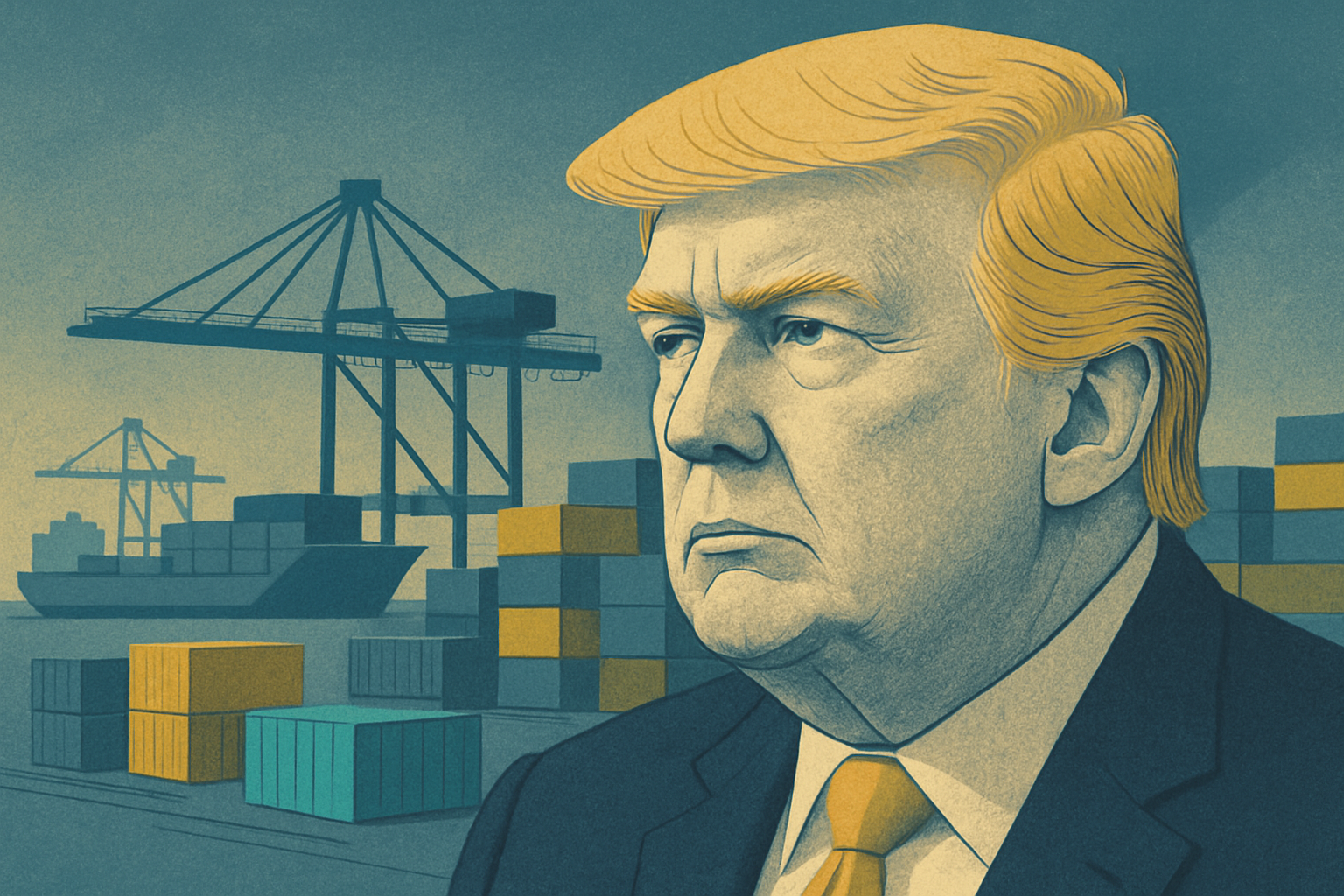
U.S. manufacturing edged higher in September but remained in contraction. Activity improved modestly with output rising, yet new orders, exports, and hiring continued to decline. Tariff costs and supply chain pressures weighed heavily on companies, while private payrolls fell sharply, raising further concerns over the health of the sector.
-

The Supreme Court will decide if Trump overreached on tariffs. The justices will hear the fast-tracked case in November, with up to $1 trillion in duties at stake. The ruling could redefine trade powers and reshape the balance between Congress and the presidency.
-

FCA warns firms against excessive compliance with Consumer Duty rules. The financial watchdog aims to simplify compliance, addressing concerns about regulatory burden and cost. The FCA seeks to clarify expectations and improve flexibility, ensuring businesses do not overinterpret requirements.
-

Peter Kyle launches dual-front trade push with Washington, then Beijing. New Business Secretary Peter Kyle has opened his tenure with back-to-back international trade missions, beginning with US tech talks and continuing in China for the UK’s first JETCO meeting since 2019 — a symbolic reset in Labour’s global economic strategy.
-
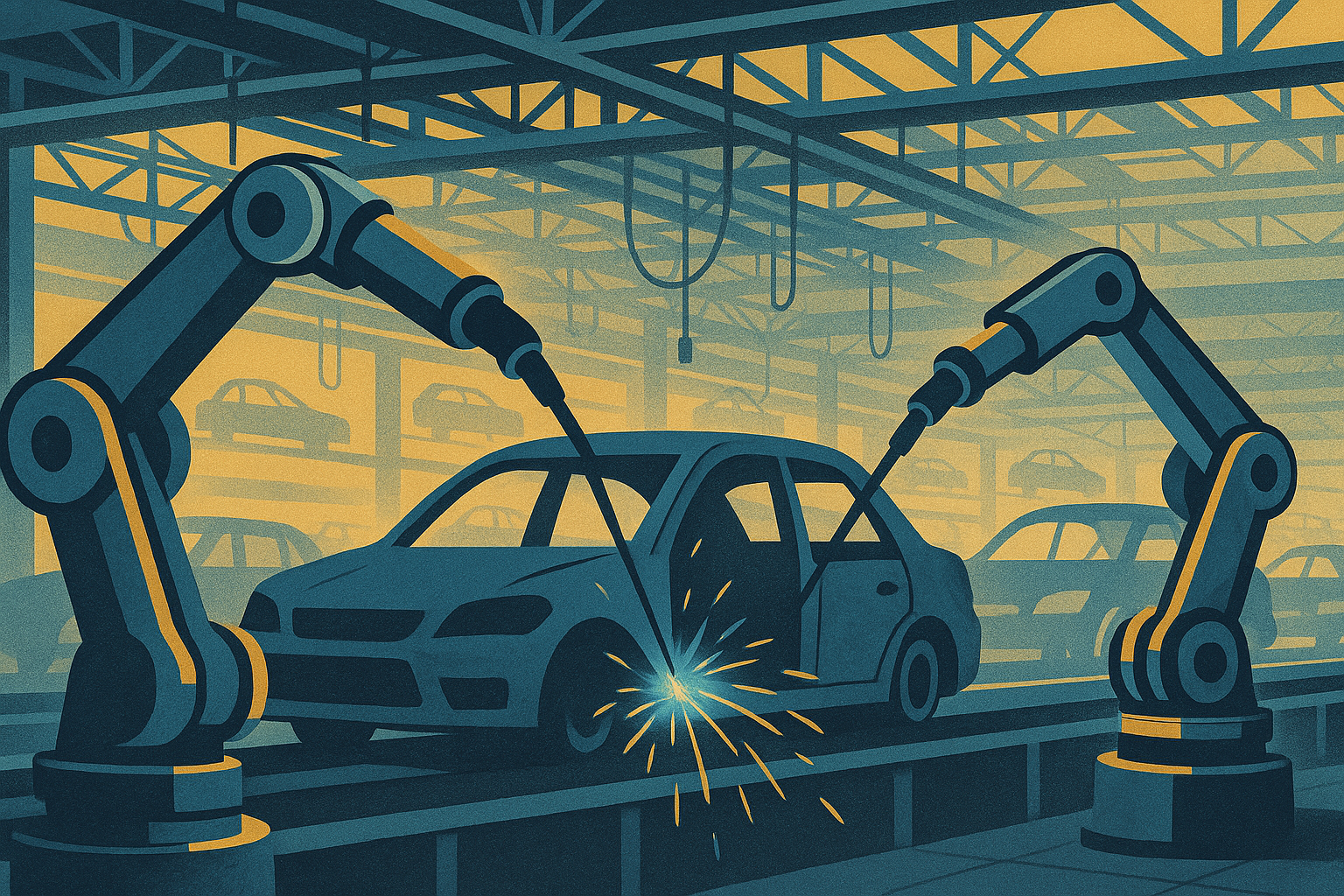
U.S. President Trump has signed an executive order cutting tariffs. The measure reduces duties on Japanese cars and auto parts to 15%, down from 27.5%, and is tied to a $550 billion Japanese investment pledge. The order implements a July trade agreement and carries retroactive effect.
-

EU court upholds data transfer framework between Europe and US. The ruling rejected a legal challenge and confirmed that the framework’s safeguards are adequate, allowing businesses across sectors to continue transatlantic transfers with renewed certainty after years of disruption caused by previous court annulments of earlier agreements.
-

US duty‑free import threshold scrapped for parcels under $800. The United States has eliminated its longstanding tariff exemption for low‑value imports, forcing businesses and logistics providers to reconfigure shipping strategies as new charges and regulatory complexity take effect.