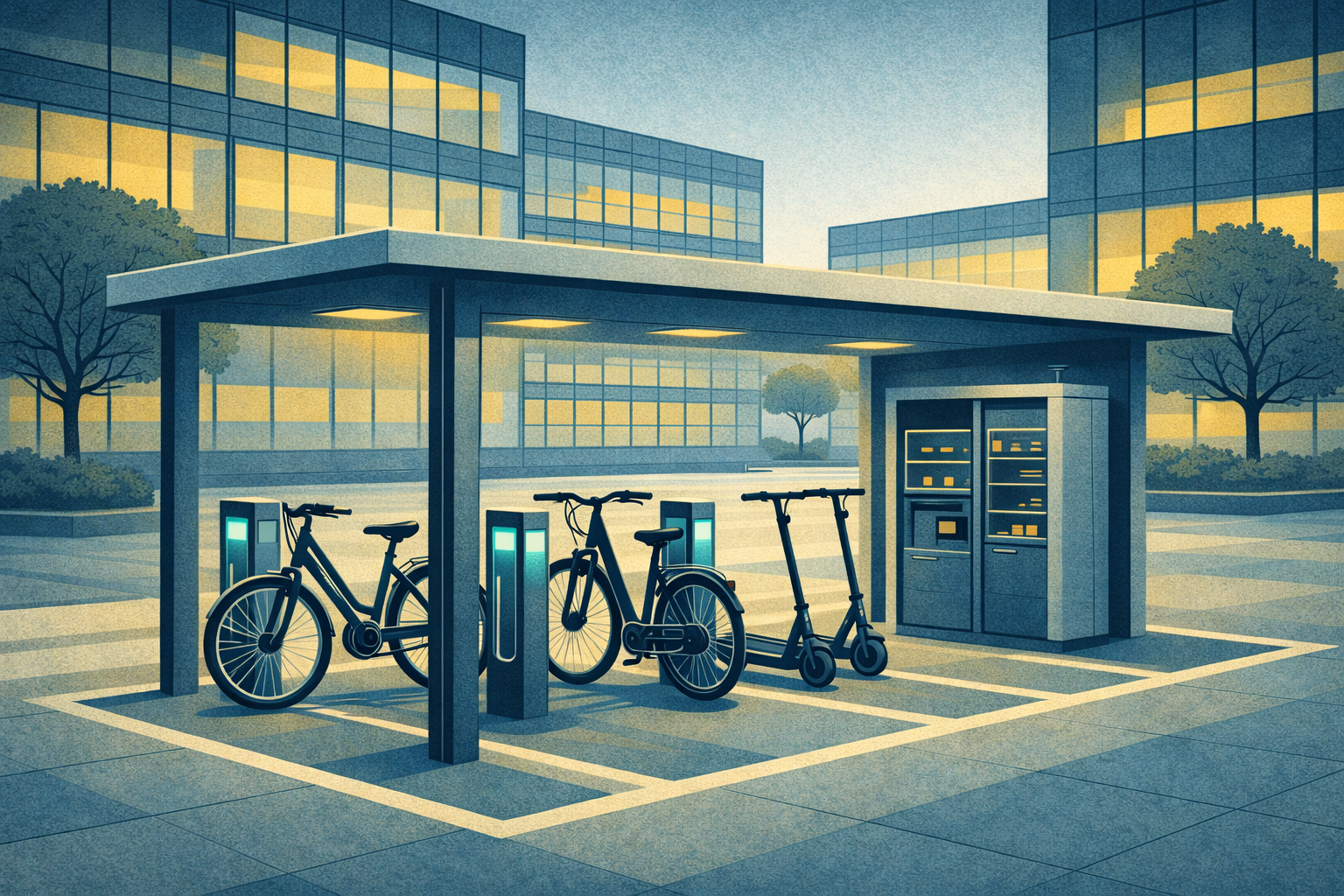
Astutis has issued an urgent warning to employers over the workplace risks linked to lithium-ion battery fires from e-bikes and e-scooters.
The health, safety, and environmental training provider said new research shows 171 e-bike fires were recorded in 2025, rising to 206 when e-scooter incidents are included. That compares with 142 fires in 2024, which the company said represents a 20% year-on-year increase. The warning is aimed at organisations with communal areas, bike storage, and larger on-site workforces, where charging and storage practices can create fire risk if they are not actively managed.
Astutis said the issue should now be part of routine workplace safety planning rather than treated as an isolated transport concern. Offices, apartment-style developments, shared corridors, foyers, and bike sheds can all become pressure points where poorly stored or charged devices increase the risk to people, property, and evacuation routes. In that context, the company is urging employers to review how e-bikes and e-scooters are brought on site, where they are kept, and whether charging is permitted at all.
Brenig Moore, Technical Director at Astutis, said: “e-Bikes and e-Scooters powered by lithium-ion batteries present a serious risk for businesses with communal areas and large numbers of employees on-site if they are not managed proactively.
“It is imperative that all organisations assess the use and storage of them to ensure no undue risk is present. Be sure to check any nearby communal areas where they might be stored, such as bike sheds, hallways, corridors and foyers.”
Moore also set out a practical response for employers. He said organisations should limit, or completely eliminate, charging of unapproved e-bikes in the workplace, make sure any chargers kept on site undergo regular PAT testing, and identify storage hotspots through regularly updated fire risk assessments. The emphasis is on prevention rather than response, particularly in busy workplaces where one battery incident could quickly affect multiple staff and exits.
Astutis also points to product safety basics for individual users, including buying from known sellers, following manufacturer instructions, using compatible batteries and chargers, charging without blocking exits, unplugging once charging is complete, and never modifying a battery.
As e-bikes become more common in commuting patterns, fire risk assessments, storage rules, and charging policies may need to catch up just as quickly.