
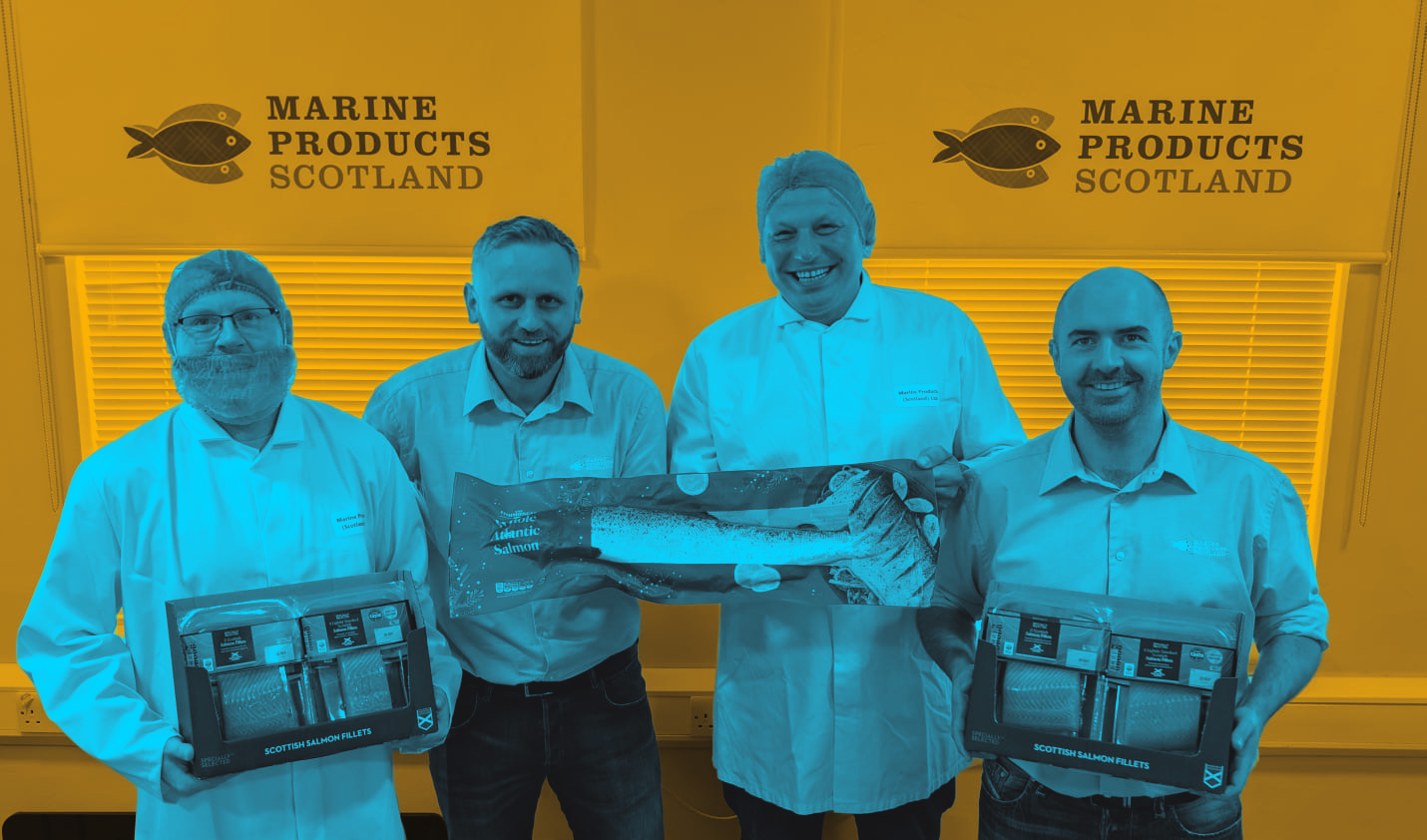
Marine Products (Scotland) Ltd has transitioned to an Employee Ownership Trust (EOT), transferring ownership of the Glasgow-based salmon producer to its employees and securing a long-term succession plan for the business.
The company supplies a range of salmon products to established trade customers and retailers across the UK. Under the new structure, shares in the company are held by a trust on behalf of employees, allowing the existing leadership team to continue managing day-to-day operations while staff become beneficiaries of the business’s future performance.
The move follows succession planning by the Mackenzie family after the death of former owner Angus Mackenzie in 2018. Establishing the EOT allows the company to remain independent while embedding employee participation in its long-term governance and ownership structure.
Lawyers from Jurit LLP advised on the transaction, supporting Marine Products through the legal and governance processes required to establish the trust and complete the transfer of ownership.
Managing director Mary Bisset will continue to lead the business. She has worked at Marine Products for more than 20 years and has served as managing director for eight.
“This is a positive step for Marine Products. We wanted an ownership model that protects the legacy of the business while giving it the best possible platform for the future.
“Employee ownership does exactly that – it keeps the company independent, allows decisions to be made for the long term, and recognises that our people are central to our success. The employees know this business best, and this structure puts them at the heart of safeguarding its future.”
Employee ownership trusts have grown in popularity across the UK as owner-managed businesses explore succession options that preserve independence and maintain operational continuity. The model enables founders or shareholders to transfer ownership to employees while retaining existing leadership structures and management teams.
Jeremy Glover, partner in the Tax & Incentives team at Jurit, said the structure can provide a stable transition for businesses seeking long-term continuity.
“We were delighted to support Marine Products through the legal process required to establish the Employee Ownership Trust and complete the transition,” he said.
“The structure ensures the company can continue to grow while keeping its culture, expertise and independence firmly intact.”
Within the new governance framework, Marine Products’ management team will continue overseeing the company’s operations. A board of trustees will represent employees as beneficiaries of the trust and provide oversight of the ownership structure.
For long-serving staff, the shift marks a continuation of the company’s internal culture. Operations manager Marcin Tokarczyk, who has been with Marine Products for 16 years, said the model reflects the role employees already play in the organisation.
“Knowing the company is now owned for the benefit of employees gives real reassurance about the future,” he said.
“It feels like a natural next chapter – protecting what has been built while giving the business the stability it needs to keep going for the long term.”


You must be logged in to post a comment.