In 2021, vapes transitioned from a niche smoking alternative to dominate the UK’s nicotine market. Now, about half of the vape market is set to become illegal when the government’s disposable vape ban comes into force on Sunday. This is part of the government’s plan to create a “smoke-free” generation, which will see disposable vapes banned, fines for underaged vape sales increased, and the minimum smoking age gradually raised.
However, industry experts have warned that the unintended consequences of the disposable vape ban could cause significant harm, with limited impact on the creation of a smoke-free generation. Concerns about the ban have primarily come from the vape industry itself, while other industry bodies are more supportive, arguing that the ban doesn’t go far enough and lacks efforts to encourage Brits to stop smoking entirely.
Critics of the ban argue it could lead to increased black-market trading, vape fires from hoarding, and people reverting to cigarettes or stockpiling disposables. Mike Salem, UK Country Associate for the Consumer Choice Center (CCC), stated that the policy “risks fuelling black-market activity,” which is “far harder to regulate and more detrimental to public health.” According to Haypp, nearly a quarter of current vapers say they would purchase non-compliant or illicit vaping products to save money.
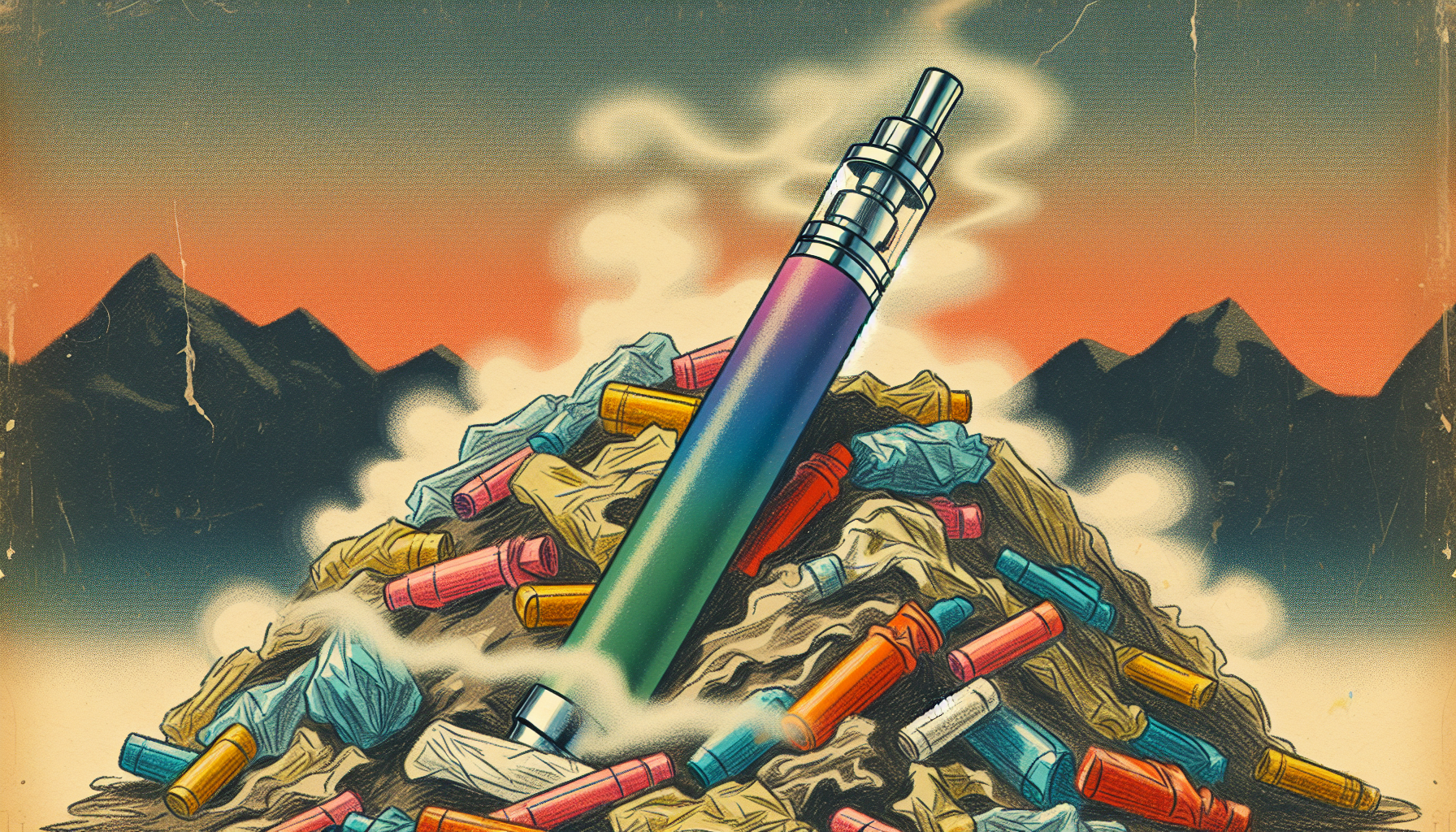
Mladen Barbaric, founder of Nosaint, views the disposable ban as a “great thing” for the industry, citing the environmental impact. In the UK, about 8.2 million disposable vapes are discarded weekly, many improperly disposed of. Opinium research has labelled disposable vapes an “environmental nightmare” due to their lithium-ion batteries, which pose dangers if damaged. The government’s messaging around the Tobacco and Vapes Bill highlights “serious environmental concerns” about vapes, with over 5 million disposable vapes either littered or thrown away each week, a figure that has quadrupled in the last year.
Yet, there are already signs that the positive environmental effects are not materialising, with major players circumventing the ban by separating the liquid and battery sections, but still shipping them together. One or two-charge vapes are becoming common, often resembling the original disposable product.
Another significant issue is the use of vapes among children, with disposable vapes being the preferred choice for 69 per cent of vapers aged 11 to 17 in Great Britain, up from 7.7 per cent in 2021. Barbaric argues that the disposable ban doesn’t address youth use adequately and stresses the need to provide an attractive alternative for smokers.
John Patterson, president of IKE Tech, noted that removing disposables “won’t eliminate youth access, it just shifts the problem.” He indicated that the real challenge lies beyond retail shelves, involving social sharing and the illicit market.
Further plans are underway to regulate the smoking and vapes market in the UK. The Tobacco and Vapes Bill includes additional measures to manage the sector. Discussions have even broached a ban on flavoured e-liquids. A petition earlier this year opposed the idea, arguing it would “undermine efforts to help smokers quit.” The government responded that further consultation would occur before introducing any specific restrictions to avoid unintended consequences on smoking rates.
Barbaric believes that government efforts to pivot the vapes market away from children, make it environmentally friendly, and use it as a cessation tool are unrealistic. He insists that the industry must lead changes and help solve these issues, as government regulators are not positioned to innovate or create adult-targeted products. Until there is greater collaboration between the government and companies, there will be ongoing tension with the government attempting to implement solutions, while the industry seeks loopholes to continue with minimal resistance.