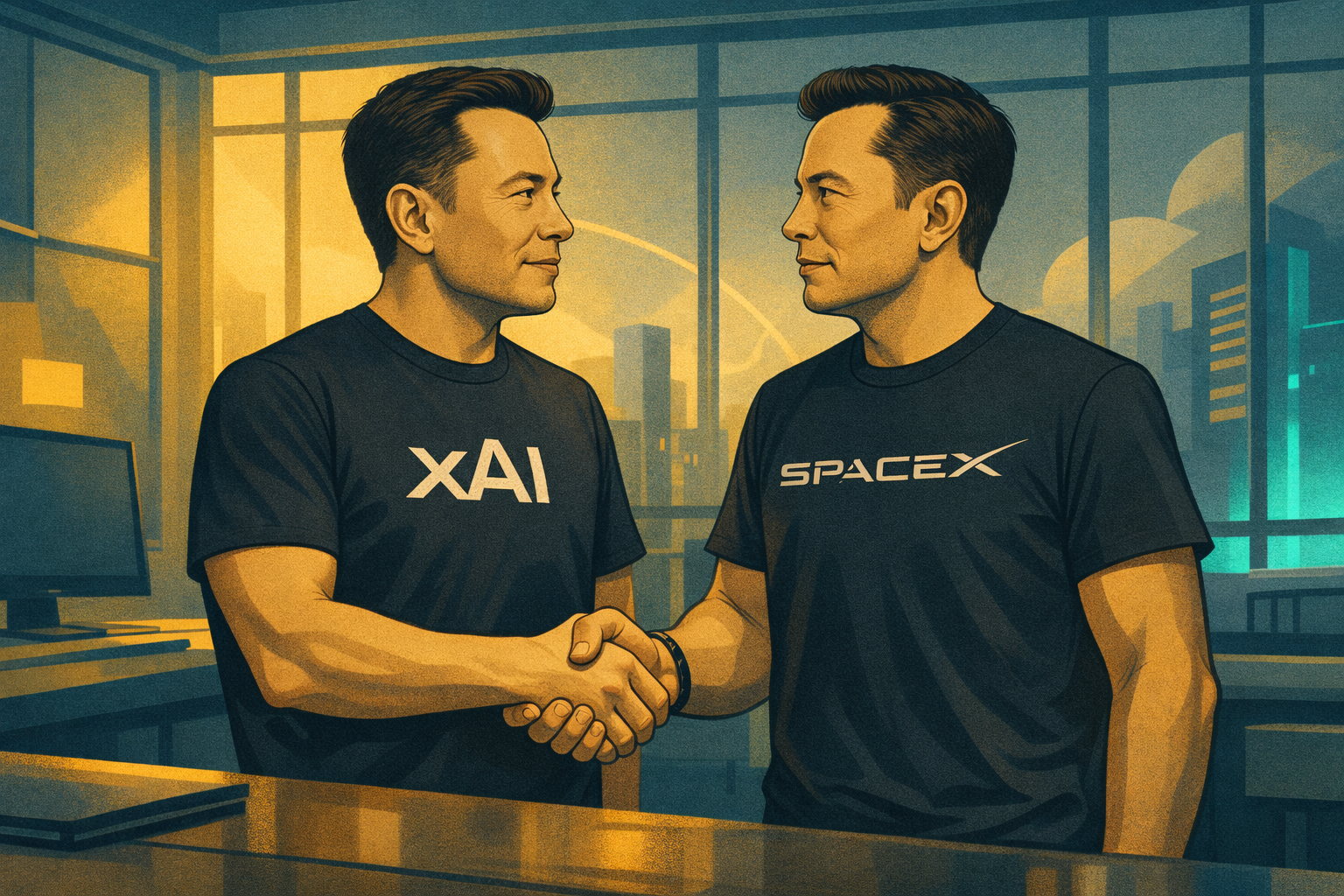
SpaceX has agreed to acquire xAI, the artificial intelligence business founded by Elon Musk in 2023, in a transaction that ranks as the largest technology acquisition on record. The deal values SpaceX at approximately $1tn and xAI at around $250bn, creating a combined private company with an estimated valuation of $1.25tn.
The merger brings together SpaceX’s launch operations, Starlink satellite network, and government contracts with xAI’s large language models and compute infrastructure, including its flagship chatbot, Grok. While unprecedented in scale, the transaction is also unusual in form. This is not a contested takeover or a defensive consolidation, but a founder-led reorganisation — capital, assets, and ambition moving from one corporate vehicle to another under the same controlling hand. The scale may be historic, but the mechanics are closer to an internal reshuffle than a conventional acquisition.
Under the terms of the deal, xAI shareholders will receive SpaceX equity in exchange for their holdings. A limited number of executives and early backers are expected to take partial cash consideration. Both businesses will continue to operate as separate units in the near term, reflecting regulatory, contractual, and operational constraints.
In a statement, Musk said the transaction would enable “deep integration between advanced AI systems and the space-based infrastructure required to scale them globally”, adding that the combined group would prioritise long-term technological capability over near-term financial outcomes.
Infrastructure meets intelligence —
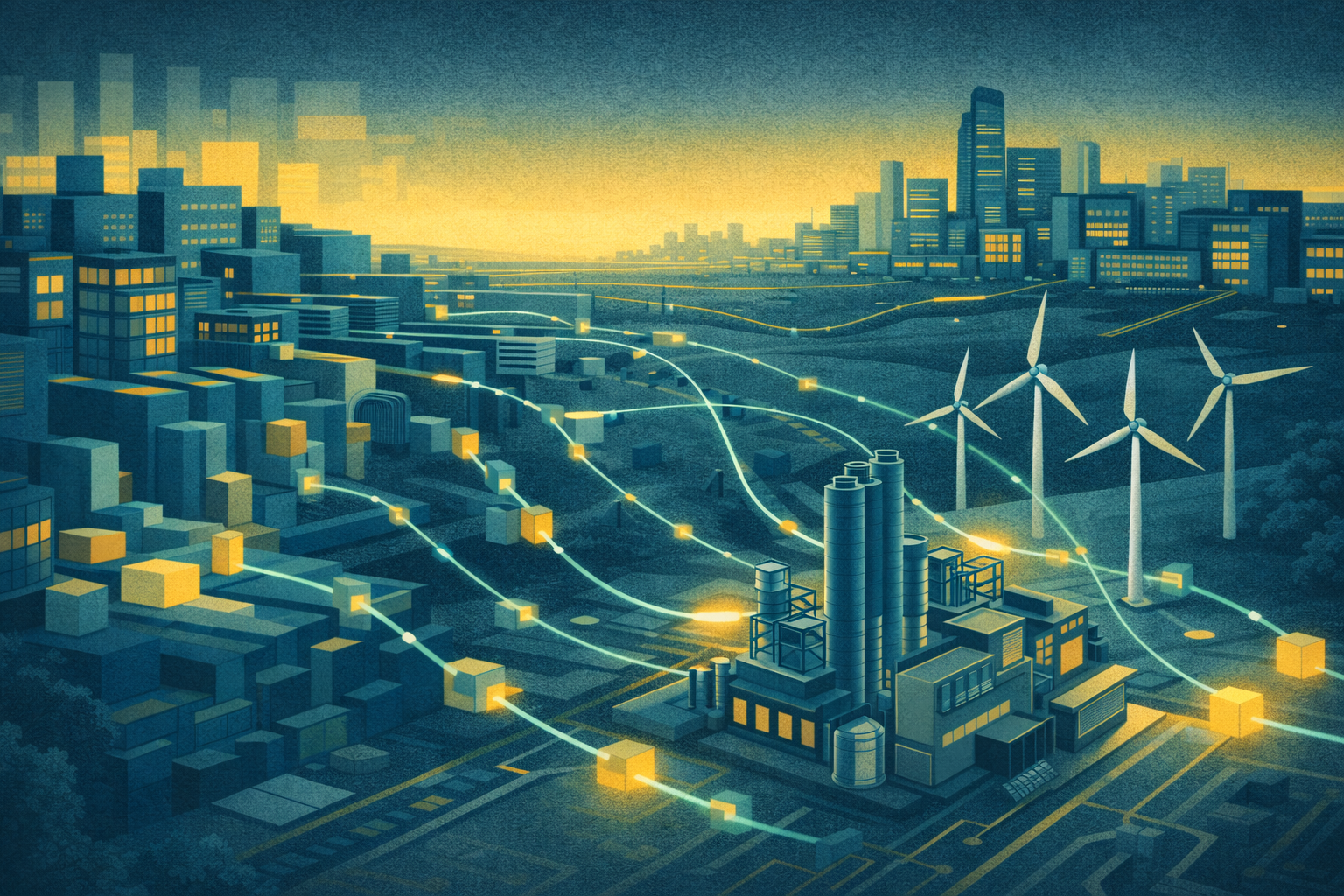
Strategically, the acquisition formalises a convergence Musk has been signalling for more than a year. SpaceX provides launch capability, orbital assets, and global connectivity through Starlink, while xAI contributes model development, training infrastructure, and access to real-time data flows. Executives close to the company have pointed to the longer-term prospect of space-based computing, where constant solar exposure and natural cooling could ease the energy and heat constraints facing terrestrial data centres.
For SpaceX, the deal deepens its evolution beyond launch services. Starlink already generates recurring revenue and geopolitical influence, and the addition of in-house AI capability places the company closer to the technology platforms it increasingly overlaps with on talent, defence relevance, and strategic importance.
For xAI, folding into SpaceX provides scale, capital access, and infrastructure reach that would be difficult to replicate independently. The AI business faces intense competition from OpenAI, Anthropic, Google, and Meta-backed research groups, all of which benefit from tight integration with hyperscale cloud platforms.
The transaction is likely to attract regulatory scrutiny in the US and Europe. SpaceX holds sensitive defence and government contracts, while xAI operates consumer-facing AI products that raise questions around data governance, content moderation, and AI safety. Maintaining clear internal boundaries will be essential to managing conflicts of interest and compliance risk.
The timing is also significant. SpaceX is widely expected to pursue an initial public offering within the next 12 to 18 months, potentially at a valuation exceeding $1.5tn. Bringing xAI inside the group ahead of any listing simplifies ownership, even if it complicates the narrative for future investors.
In substance, the deal changes little about who ultimately controls these assets. In consequence, it reshapes how AI, space infrastructure, and capital intensity are organised — and signals just how far founder-led consolidation can stretch when markets are private and ambition is effectively unconstrained.