Miro has launched a Model Context Protocol (MCP) server designed to connect its visual collaboration platform directly with AI-powered coding tools, as organisations seek more reliable ways to integrate artificial intelligence into product development workflows.
The MCP server creates a bidirectional link between Miro’s AI Innovation Workspace and a growing ecosystem of AI coding environments. The company said the move is intended to reduce fragmentation in AI-driven development by grounding automated outputs in shared visual context — including architectures, product requirements, and design decisions — already used by cross-functional teams.
The MCP server has been built in collaboration with Anthropic, AWS, GitHub, Google, and Windsurf, reflecting growing industry interest in standardised approaches to sharing context between AI agents and enterprise systems.
While adoption of AI tools has accelerated across engineering teams, many organisations continue to struggle with accuracy, trust, and validation. Outputs generated without access to broader organisational context often require costly review and rework, particularly when used by teams outside core engineering functions, such as IT, security, and operations.
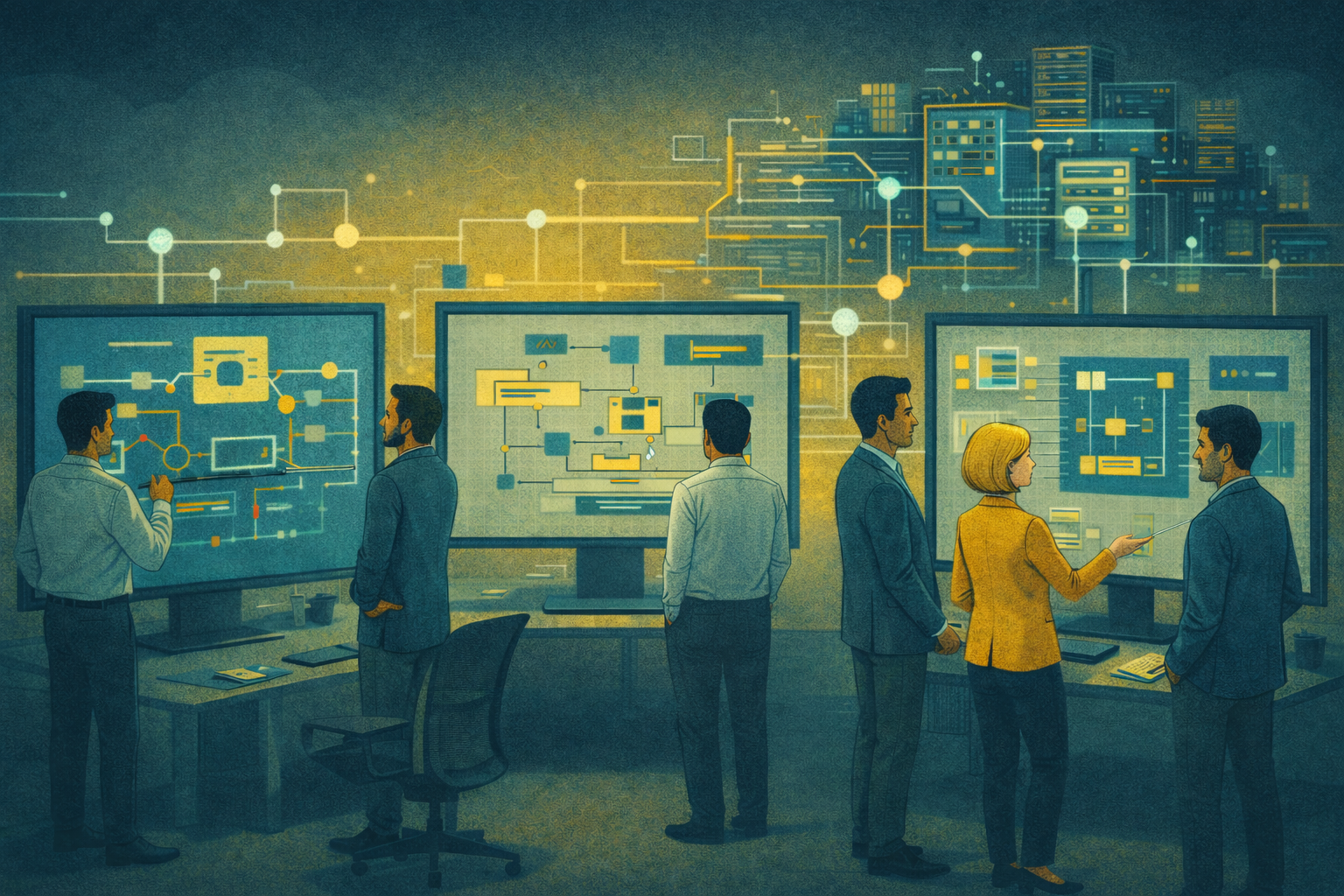
Miro said its MCP server addresses this gap by allowing AI agents to draw directly on the visual artefacts teams already create on the Miro canvas. These include system diagrams, product requirement documents, user research, and design specifications, enabling AI-generated code and documentation to reflect real-world decisions rather than isolated prompts.
“The cross-functional context teams create in Miro is critical to unlocking AI value at scale,” said Jeff Chow, chief product and technology officer at Miro. “When product, design, and engineering align visually on intent and decisions, that shared context can flow into agentic coding systems and back into cross-functional discussions as work evolves.”
The initial release supports two core product development use cases. The first, automated code visualisation, allows teams to generate system architecture diagrams and documentation directly from existing codebases within AI coding tools. Miro said this can help teams understand complex systems more quickly, particularly when onboarding new engineers or taking over legacy projects.
The second use case, context-aware code generation, enables AI coding tools to incorporate inputs such as PRDs, design assets, research insights, and architectural diagrams created in Miro. By feeding this material into agentic workflows, organisations can generate code that better reflects an existing system’s constraints and intentions, reducing the number of revisions required.
From a platform perspective, the MCP server connects Miro with a wide range of AI development environments, including Claude Code, AWS Kiro, GitHub Copilot, Gemini CLI, Cursor, Replit, OpenAI Codex, VS Code, and Devin.
Simina Pasat, vice-president of product at GitHub, said MCP servers were becoming increasingly important as developers adopt agentic workflows. “Closer connection with Miro through their MCP integration means engineering teams using GitHub Copilot can better access architectural diagrams, user stories, and design decisions without having to leave their workflow,” she said.
Miro confirmed that the MCP server operates within its existing enterprise security controls and governance policies.