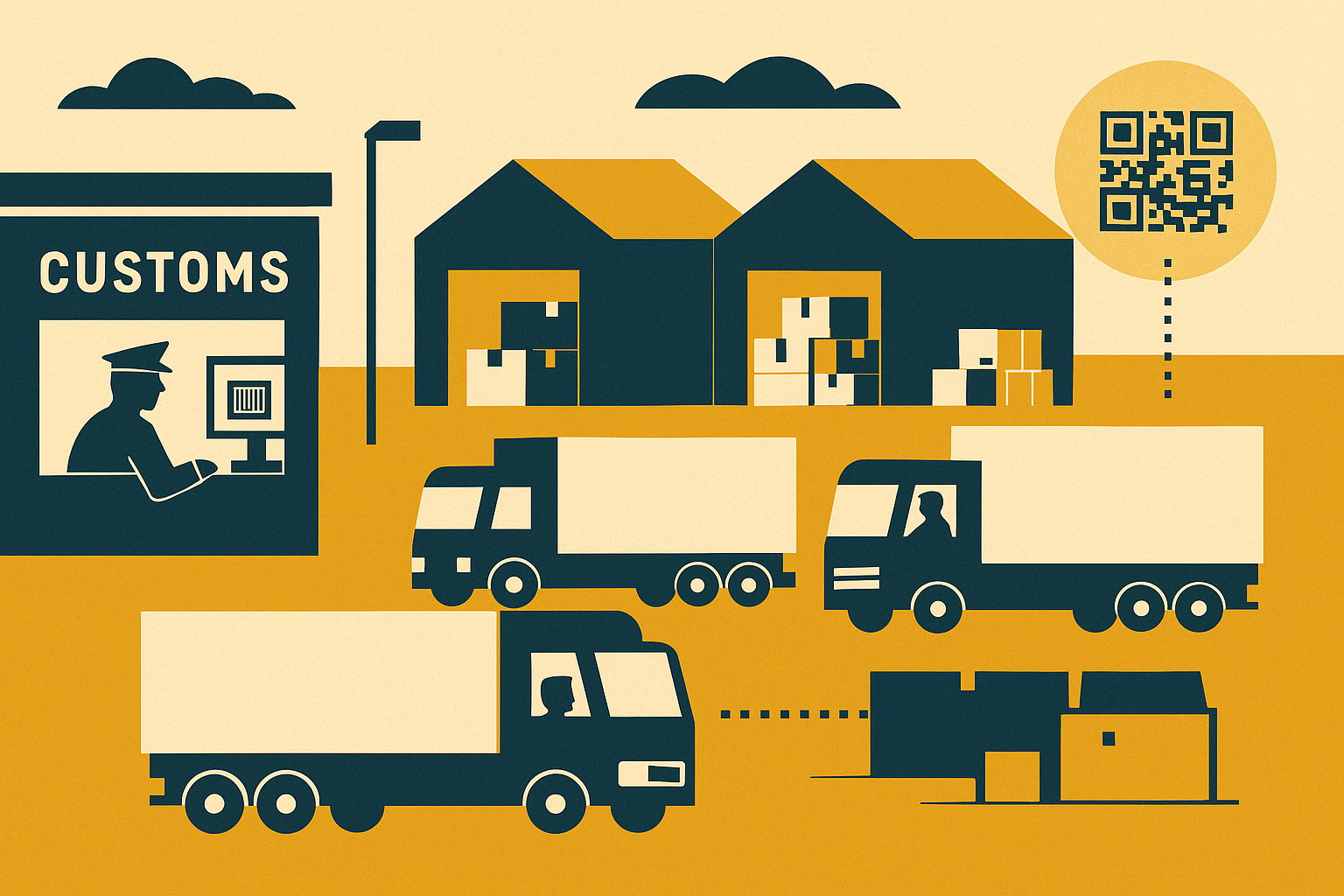
The latest UK–EU agreement introduces key changes to border processes and climate policy coordination, promising to reshape supply chains across multiple sectors. Notably, the deal simplifies sanitary and phytosanitary (SPS) paperwork for food and plant products and establishes a formal linkage between the UK and EU emissions-trading systems (ETS).
Reduced SPS checks are expected to cut delivery lead times and improve reliability, especially for time-sensitive sectors like food, agriculture, and retail. With less bureaucracy at borders, firms are likely to see lower transport costs, reduced spoilage risk, and less inventory holding. Customs processes will become more predictable, although some physical checks and digital infrastructure limitations may remain.
The ETS linkage is a significant step toward climate policy alignment, enabling companies with operations in both jurisdictions to consolidate carbon accounting and trading. This could unlock tangible cost savings, particularly for manufacturers and logistics providers. It also supports more coherent decarbonisation strategies by streamlining compliance requirements across borders.
However, I would say that challenges persist. Labour shortages, inconsistent digital customs systems, and continued regulatory divergence in areas like pharmaceuticals and chemicals could limit the deal’s immediate impact. SMEs may also struggle to adapt without targeted support.
Looking 18–24 months ahead is always difficult, but the deal could influence capital expenditure decisions, warehouse footprints, and sourcing strategies. Businesses may have to scale back on redundant warehousing built to mitigate border disruptions and, instead, invest in automation or strategically located hubs. Supplier diversification could be slow, with more firms returning to EU partners now that trade friction is easing. However, some will continue to pursue near-shoring or reshoring to strengthen resilience.
In summary, the new UK-EU deal offers a welcome reset that reduces friction, supports sustainability goals, and improves trade flows. That said, realising its full benefits will require swift adaptation and further investment in infrastructure and technology.

Oliver Chapman is Group CEO of OCI, a procurement company which delivers structured supply chain solutions across sourcing, logistics and trade finance.