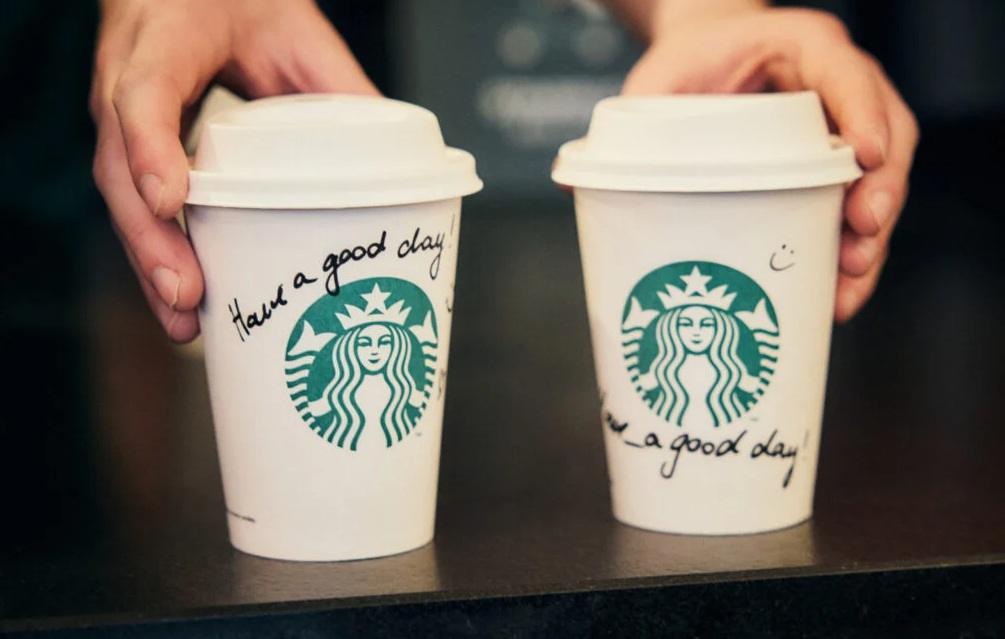
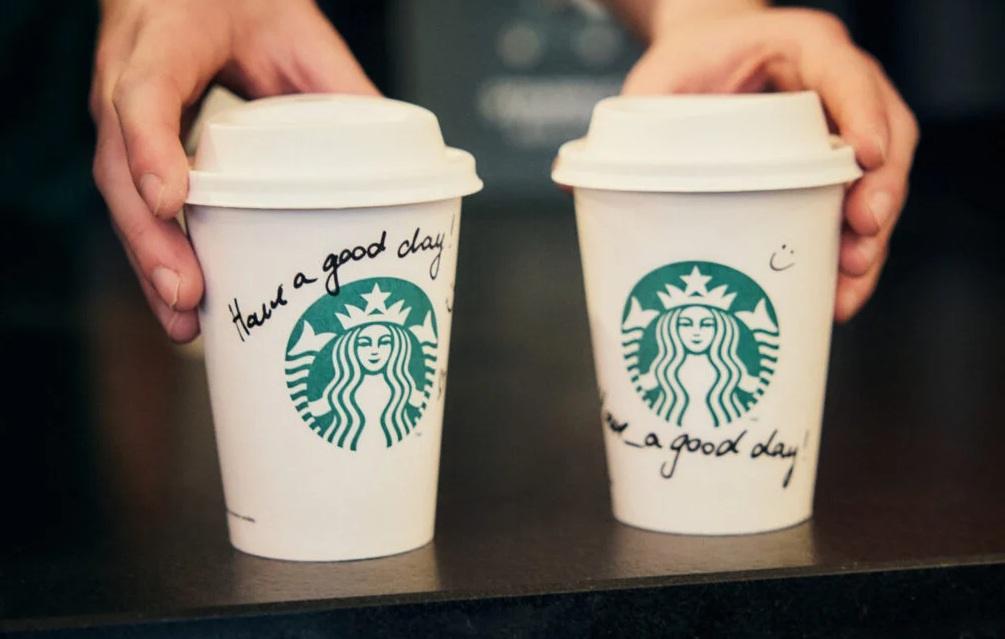
Starbucks has unveiled a new version of its iconic takeaway white cup in Europe, marking a shift towards sustainability by replacing the plastic lining and lids with innovative materials that are home compostable and recyclable.
The deployment of this new cup commences this month across ten European nations and is anticipated to reach the UK and Ireland later in the year, as announced by Starbucks. This initiative addresses the current disposal issues associated with traditional cups that possess a plastic lining requiring separation before recycling or composting. The newly designed cups feature a mineral-based coating, while the lids are crafted from alternative fibre materials and coated with the same mineral-based substance.
Duncan Moir, President of Starbucks EMEA, commented, “Our hot cup solution is the first introduction of this emerging technology applied to a coffee cup at scale. Starbucks’ new hot cup in Europe provides a widely recyclable and home compostable alternative for when customers don’t have a reusable cup. I am really proud of the team that has worked to develop this innovative solution, and I am so excited to see it in the hands of our customers in Europe as they enjoy their coffee. We are keen to learn more from this rollout and remain focused on introducing more sustainable innovations to meet the shifting requirements of markets worldwide.”
The mineral-based coating is supplied by the Italian company Qwarzo, offering a recyclable and home compostable waterproof barrier. The paper for the cup is sourced from Finland’s Metsä Board, using traceable wood fibre from Northern European forests. The manufacturing of the cup is undertaken by Transcend Packaging in Wales.
Lorenzo Angelucci, CEO of Transcend Packaging, stated, “Starbucks and the Europe go-to-market commitment it has made in this new technology allows us to demonstrate the transformative potential of the packaging solution we have developed. We welcome Starbucks’ courage in innovation to redesign and totally transform its packaging production processes, creating a premium new product while removing the plastic lining in coffee cups and swapping to fibre lids.”
Aligned with its ambition to become a “resource positive” company, Starbucks has pursued several strategies, including reducing reliance on single-use packaging and encouraging recycling and reusability. In 2022, the company [announced plans](https://www.esgtoday.com/starbucks-advances-plans-to-eliminate-single-use-cups/) to offer reusable cup options globally, aiming for customers to have access to reusable cups by 2025.
Starbucks continues to prioritise reusables-first strategies, rewarding customers who bring their own cups with discounts and providing in-store ceramic options for hot beverages in most European outlets.