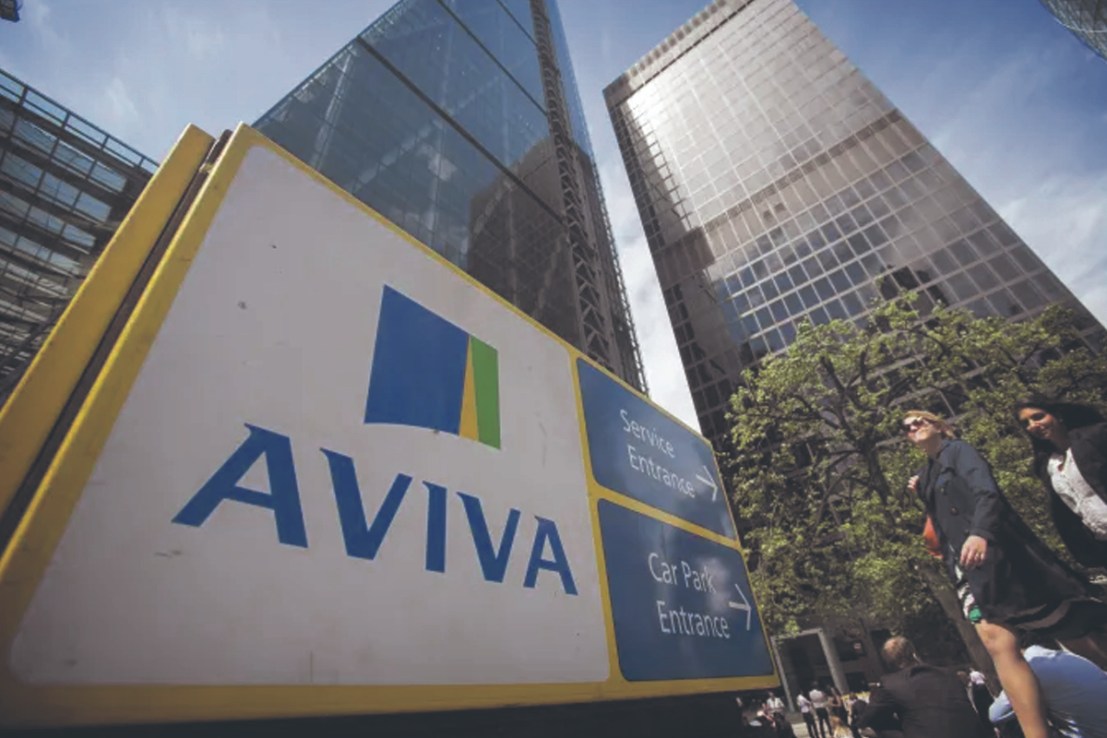
British pension funds should not be compelled to invest in UK assets, according to the chief executive of one of the City’s largest insurers, in a pointed response to government proposals seeking to bolster domestic investment.
Dame Amanda Blanc, chief executive of Aviva, cautioned against mandating such measures, arguing that pension providers are already doing their part. “We do think that pension providers are already willing to invest in the UK and are already, as we have proven, doing so,” she said, expressing concern that government pressure could have “unintended consequences”.
Blanc said that compelling pension funds might not be the most effective route to boost investment in British companies. “It’s like a sledgehammer to crack a nut,” she remarked. “You have to be able to get everybody onboard to do the right thing.” She pointed to a broader ecosystem — including employee benefit consultants, employees, and workers — that collectively needs to alter its behaviour, not just pension schemes.
Her comments come in response to this week’s Mansion House Accord, a voluntary, non-binding pledge coordinated by the Treasury, in which major pension firms agreed to increase allocations to infrastructure and to high-growth UK ventures. The initiative is part of a wider government push to stimulate job creation and drive economic growth by unlocking greater volumes of domestic capital.
In a separate update, Aviva reported that its general insurance arm saw premiums rise by nine per cent to £2.9bn in the first quarter of 2025, while retirement product sales climbed four per cent to £1.8bn. Protection and health insurance sales rose 19 per cent to £126m, as consumers increasingly sought private cover amidst mounting NHS pressures.
However, the firm’s investment division faced continued outflows, with investors pulling £906m during the same period — although that was significantly down from the £1.8bn withdrawn in the first quarter of 2024. Aviva attributed the bulk of the outflows to clients withdrawing from internal assets, which alone accounted for £470m, as well as strategic exits by clients no longer affiliated with the group.
Despite the withdrawals, assets under management at Aviva Investors rose by one per cent to £240bn, helped by favourable market conditions and increased demand for its liquidity products.