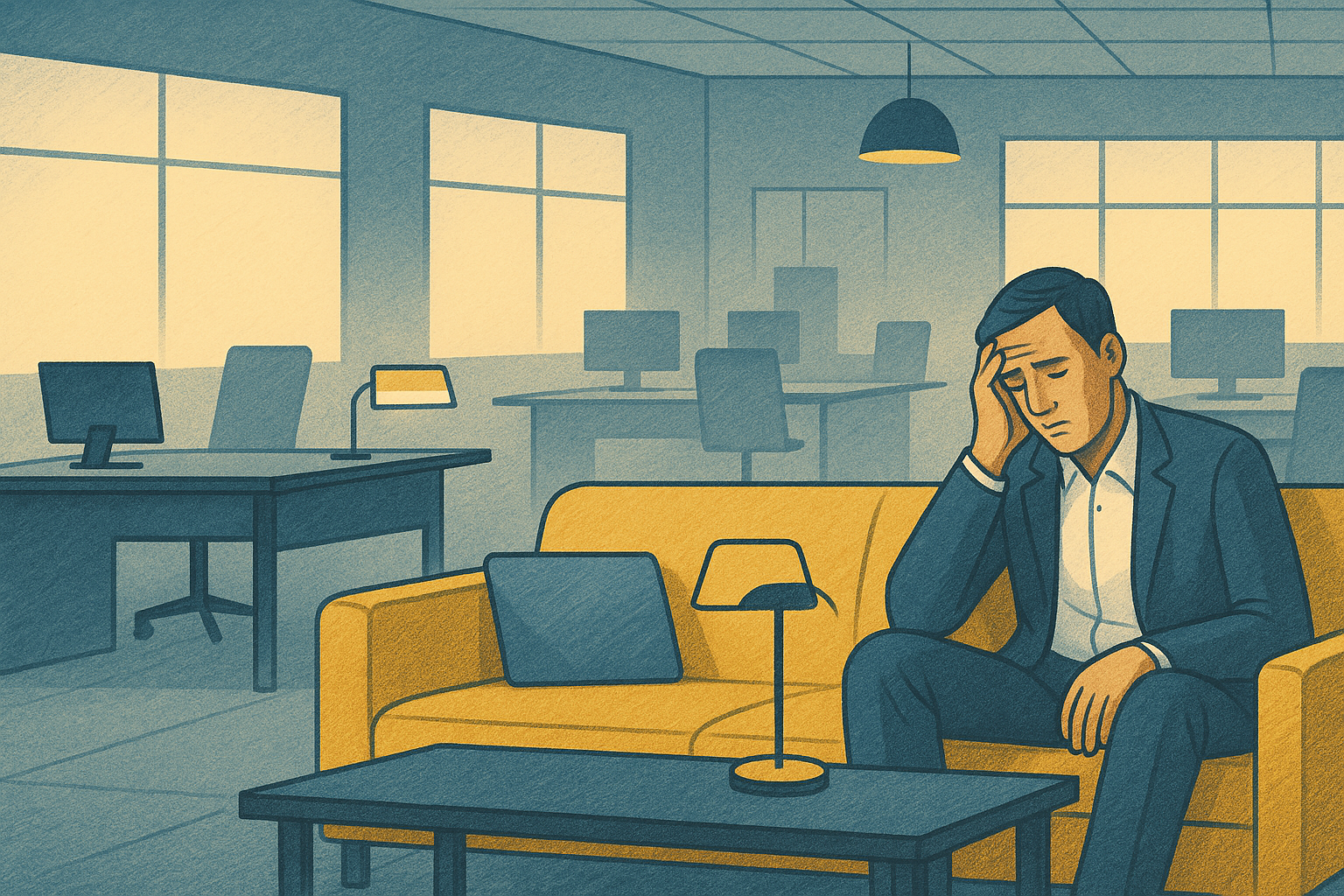
Gen Z office workers in the UK are experiencing criticism from older colleagues, often due to negative stereotypes associated with their generation. According to a recent report by workforce engagement platform Kahoot, nearly 50% of young Brits have reported being criticised at work, resulting in increased stress and tension.
The report highlights that 47% of those criticised felt judged for being too passionate or outspoken, while 46% noted criticism for their use of informal language, slang, or humour. Other reasons included attempts to set healthy boundaries and their appearance, with some driven to tears or even considering quitting within a year of employment.
Jon Neale, Growth Director of the UK and Ireland at Kahoot, commented, “Gen Z’s entry into the workplace is colliding with entrenched workplace cultures that often don’t fit their expectations or strengths. They’re eager to contribute but can’t seem to win.”
This situation has led nearly a quarter of young workers to feel their opinions are not valued, resulting in reluctance to share ideas with colleagues. Over two-thirds of young workers admitted feeling out of their depth, citing a need for more opportunities to share perspectives, be included in decision-making, and have their contributions recognised to foster a stronger sense of belonging and support their progress.
Kahoot has warned that these findings should serve as a “wake-up call,” emphasising that failure to support young colleagues could harm not only retention but also innovation, culture, and competitiveness.
In addition, a survey conducted by Trinity College London, as reported by The Times, found that a third of Gen Z believe mental health days should be a standard workplace benefit. Concerns over office interactions have surpassed fears of redundancies caused by AI. The survey revealed that 42% of young people were anxious about working with unfamiliar people, while 38% were concerned about making small talk.
Further anxieties included using the phone and early morning starts, with over a fifth fearing criticism. Gen Z workers also favour flexible working hours over the traditional 9am to 5pm schedule. Similar to Kahoot’s findings, 18% expressed a desire to be involved in decision-making and collaborate with co-workers.
Want to improve how you reach and engage Gen Z employees in the workplace? Business Quarter spoke to the experts for our Reaching Gen Z report. Free subscribers can read the report here.