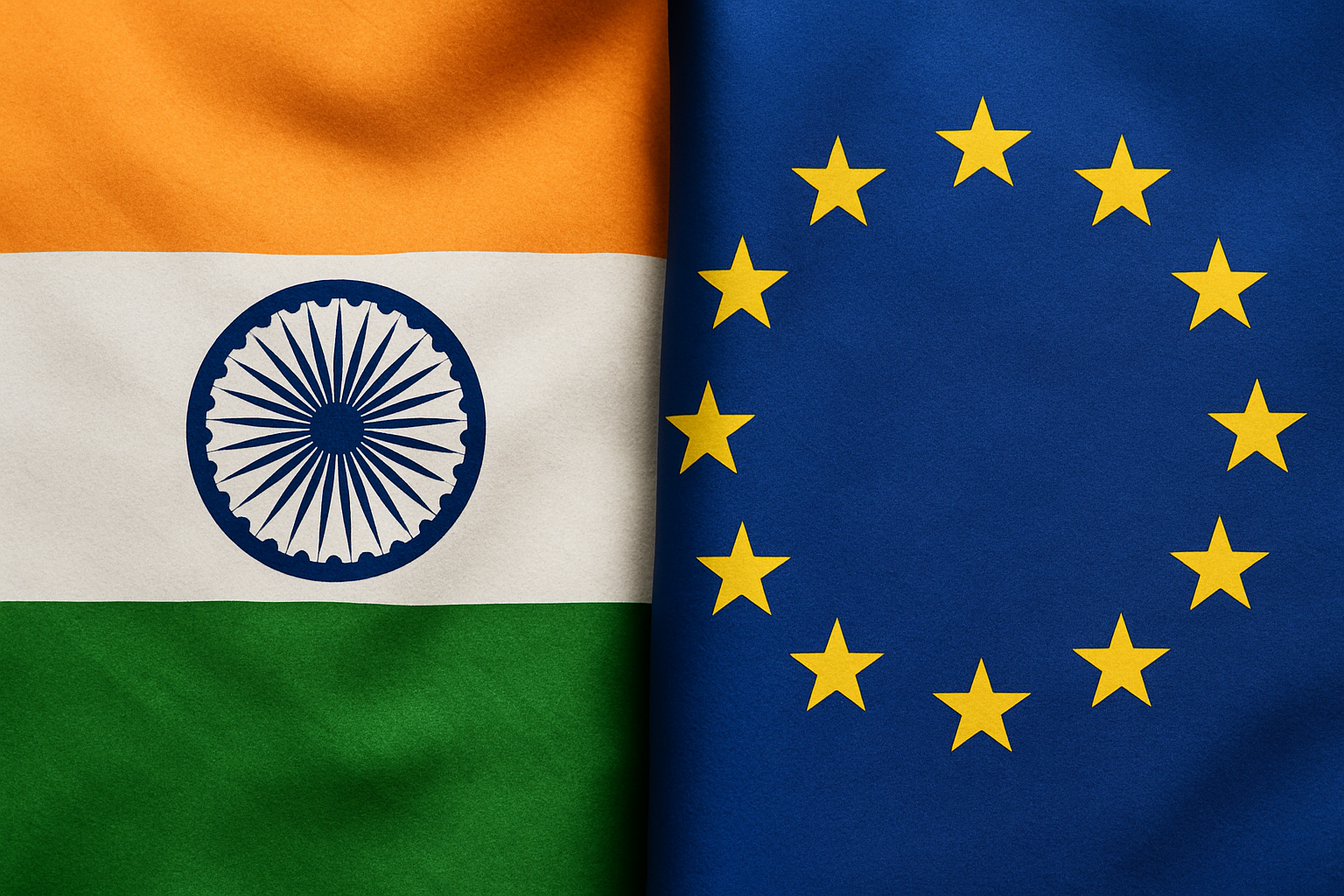
Trade negotiators from India and the European Union have resumed talks on a free trade agreement (FTA) this week, marking a significant step in what could become one of the most comprehensive trade deals between a developed bloc and a major emerging economy. The talks, which were previously stalled for years over tariff disputes and regulatory concerns, have regained political momentum as both sides look to diversify economic partnerships in an increasingly uncertain global landscape.
India’s Commerce and Industry Minister Piyush Goyal travelled to Brussels for high-level meetings with European Commission officials and trade representatives. The discussions are being billed as an attempt to fast-track the agreement, which has been under intermittent negotiation since 2007 but has struggled to overcome persistent disagreements over market access, data rules, intellectual property protections, and environmental standards.
For the EU, deepening trade with India offers a counterweight to both Chinese dependency and mounting transatlantic uncertainty, particularly in light of potential US policy shifts under a second Trump presidency. India, meanwhile, views the deal as critical to supporting its “Make in India” manufacturing push and boosting exports to one of the world’s wealthiest consumer markets.
The renewed engagement comes amid broader geopolitical and economic recalibrations. The EU is currently seeking to expand trade ties with other Indo-Pacific economies, while India has been notably cautious about entering trade pacts in recent years — having opted out of the China-led Regional Comprehensive Economic Partnership (RCEP) in 2019. Analysts say that both sides now appear more aligned in their willingness to compromise, although meaningful progress will depend on resolving issues around tariffs on automobiles, agricultural products, and digital services.
European businesses have long advocated for a clearer path to accessing India’s vast consumer base, but have cited barriers around localisation requirements, investment caps, and inconsistent regulatory enforcement. Conversely, Indian negotiators are pushing for greater mobility for skilled professionals, as well as concessions on pharmaceutical exports and labour-intensive goods.
Trade between the EU and India currently stands at around €120 billion annually, with the EU ranking as India’s third-largest trading partner after the US and China. A completed agreement could unlock significant growth potential, particularly in high-value sectors such as green tech, services, defence and semiconductors — areas where both sides are actively seeking investment and supply chain resilience.
The resumption of talks follows a series of recent EU trade moves, including the provisional application of a deal with New Zealand and the conclusion of negotiations with Chile and Kenya. While expectations for a rapid breakthrough remain cautious, trade officials in Brussels have indicated that 2025 could be a decisive year for India–EU relations.