
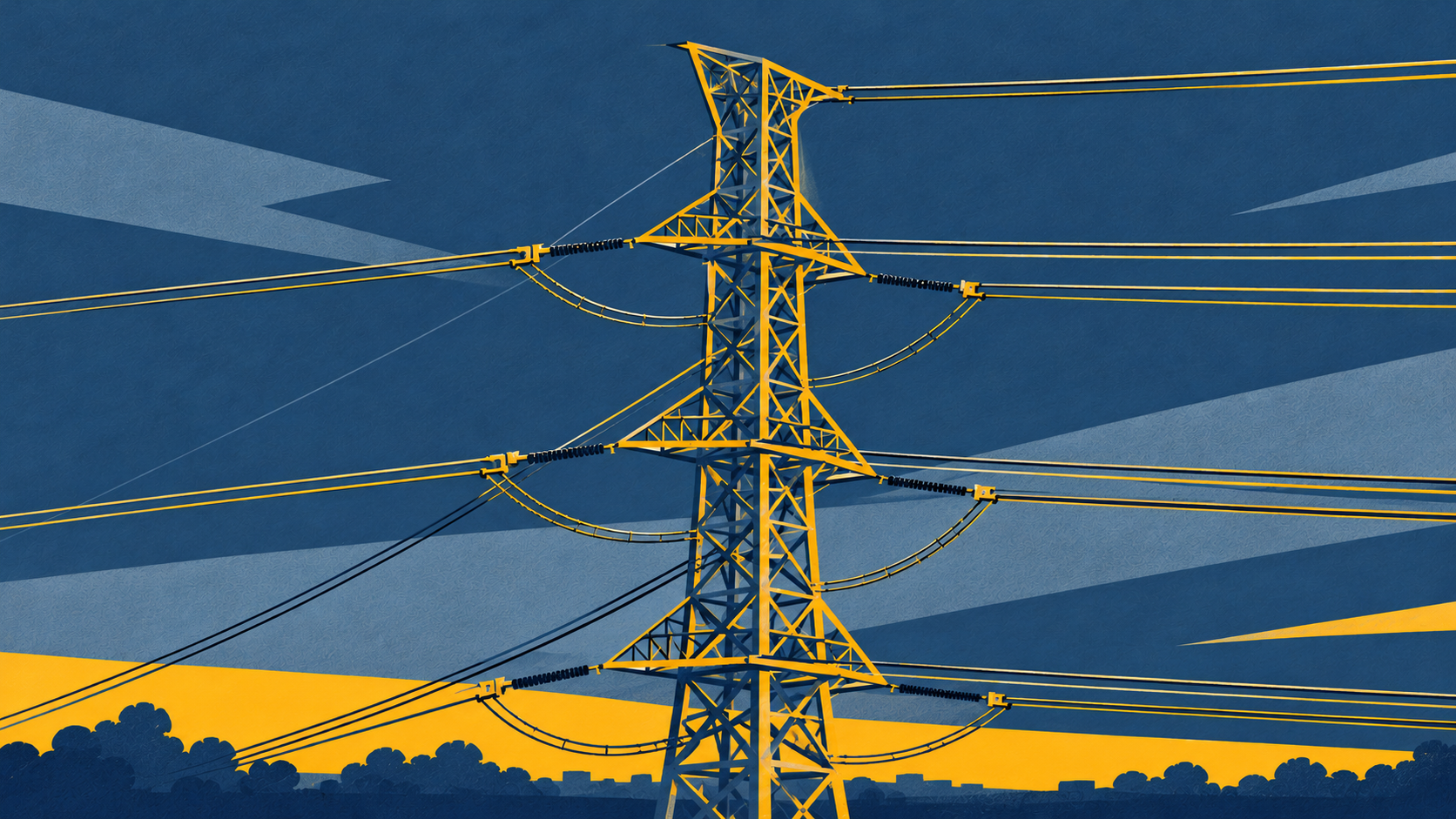
SP Energy Networks has appointed four suppliers to a four-year generator hire framework valued at £46m, combining temporary power provision with a planned shift away from conventional diesel. The electricity network operator says the arrangement will support continuity during maintenance and outages while creating opportunities for regional suppliers and skilled employment.
SP Energy Networks selected Generator Hire North Wales, Generator Power, GWF Generators and Rehlko for the framework. The providers will supply equipment and services across central and southern Scotland, Cheshire, Merseyside, Shropshire and North Wales. The company plans to use hydrotreated vegetable oil, commonly known as HVO, in its backup generator fleet rather than conventional diesel.
Temporary generators play a practical role in electricity distribution. Planned work on cables, substations and other assets can require local supply arrangements while a section of network is disconnected. During unexpected failures, mobile equipment may help maintain essential electricity to affected customers until permanent repairs can be completed. Reliability, availability and rapid deployment are therefore important procurement criteria.
The £46m figure is the stated value of the four-year framework, not evidence that this amount has already been spent or guaranteed equally to all four suppliers. The volume of generator hire required will depend on maintenance programmes, network conditions and unforeseen outages. Suppliers gain the opportunity to compete for or receive orders within the framework’s contractual arrangements.
HVO can be made from feedstocks including used cooking oil, certain vegetable oils and animal fats. Its lifecycle greenhouse gas performance depends on the origin of the feedstock, production process, transport and accounting assumptions. The operator presents the fuel switch as a lower-carbon approach, but claims about emissions savings should be assessed on that lifecycle basis rather than treating the fuel as automatically carbon-neutral.
The four companies expect a longer procurement framework to make investments in capacity and recruitment easier to plan, although actual orders will depend on network requirements. Generator Hire North Wales, founded in 2016, says the arrangement will support its plans to recruit and develop staff. The company has been working with SP Energy Networks for around two years and sees a longer contractual relationship as a basis for investing in capacity.
Generator Power has a broader national presence, with 350 employees and eleven depots according to the supplied company information. It has recruited ten apprentices to a three-year construction skills programme, including three at sites serving the electricity network operator’s area. Continued network work can help sustain the demand needed for such training investments.
GWF Generators, based in South Ayrshire, says it increased annual turnover from around £750,000 to £3m during its previous work with the company. It plans an additional depot in eastern Scotland and expects to recruit up to ten people, including apprentice electricians and mechanical fitters. Those are company plans, not jobs already created under the new framework.
Rehlko, formerly WB Power Services, also intends to strengthen its operations in Scotland and Wales. Its plans include expanding depot capacity in the central belt and around Wrexham. Together, the appointments show how major utility procurement can affect local equipment providers, transport requirements, recruitment and technical training beyond the immediate contract value.
Framework suppliers must also accommodate fluctuations in demand. Equipment may be required at short notice after storms or faults, while planned maintenance can create predictable peaks. Maintaining suitable fleet availability, fuel supply, technical staff and transport arrangements across a large geography involves costs regardless of whether the generators are deployed. The contract will be valuable to suppliers only if pricing and utilisation assumptions remain sustainable.
The network operator must balance emissions reduction against the requirement for reliable backup power. Backup equipment must function reliably at the time and location required, while procurement teams assess fuel availability, maintenance, cost and environmental performance. The programme gives SP Energy Networks an opportunity to test those considerations over several years, with the actual environmental and regional economic outcomes dependent on equipment deployment and the contracts ultimately delivered.


You must be logged in to post a comment.