
-

France plans to reduce its exceptional corporate surcharge in 2027. The government is also promising no new business taxes and preparing measures to make employee buyouts easier.
-

EU auditors warn Russian energy exit investment remains insufficient today. The assessment raises questions over infrastructure spending, gas security, and the resilience of Europe’s post-Russian energy system.
-

The EU plans new rules to commercialise European innovation faster. The proposed Innovation Act targets intellectual-property finance and public R&D procurement as Brussels seeks to improve the route from research to scaled businesses.
-

Cegid and Silae plan a €10bn European software combination deal. The merger would combine accounting, payroll, HR, payments, and digital finance platforms under a Silver Lake-controlled technology group.
-

Brussels is proposing new rules across Europe’s €2.5tn procurement market. The planned overhaul combines simplification and digitalisation with European-preference, resilience, innovation, and strategic purchasing measures.
-
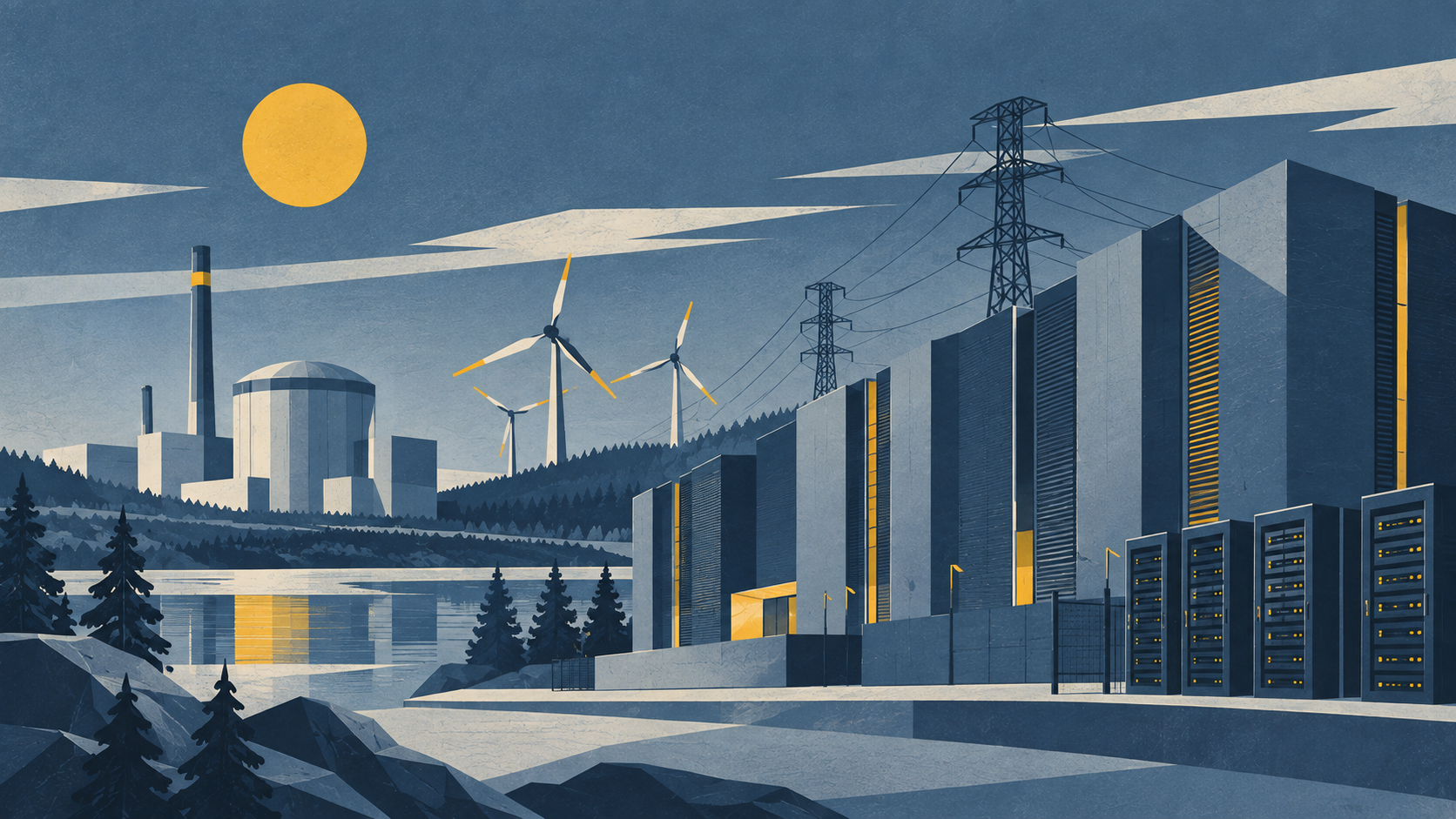
Google is committing €13bn to expand AI infrastructure across Finland. The programme combines new data centres with long-term nuclear power, wind, battery storage, skills investment, and grid agreements.
-
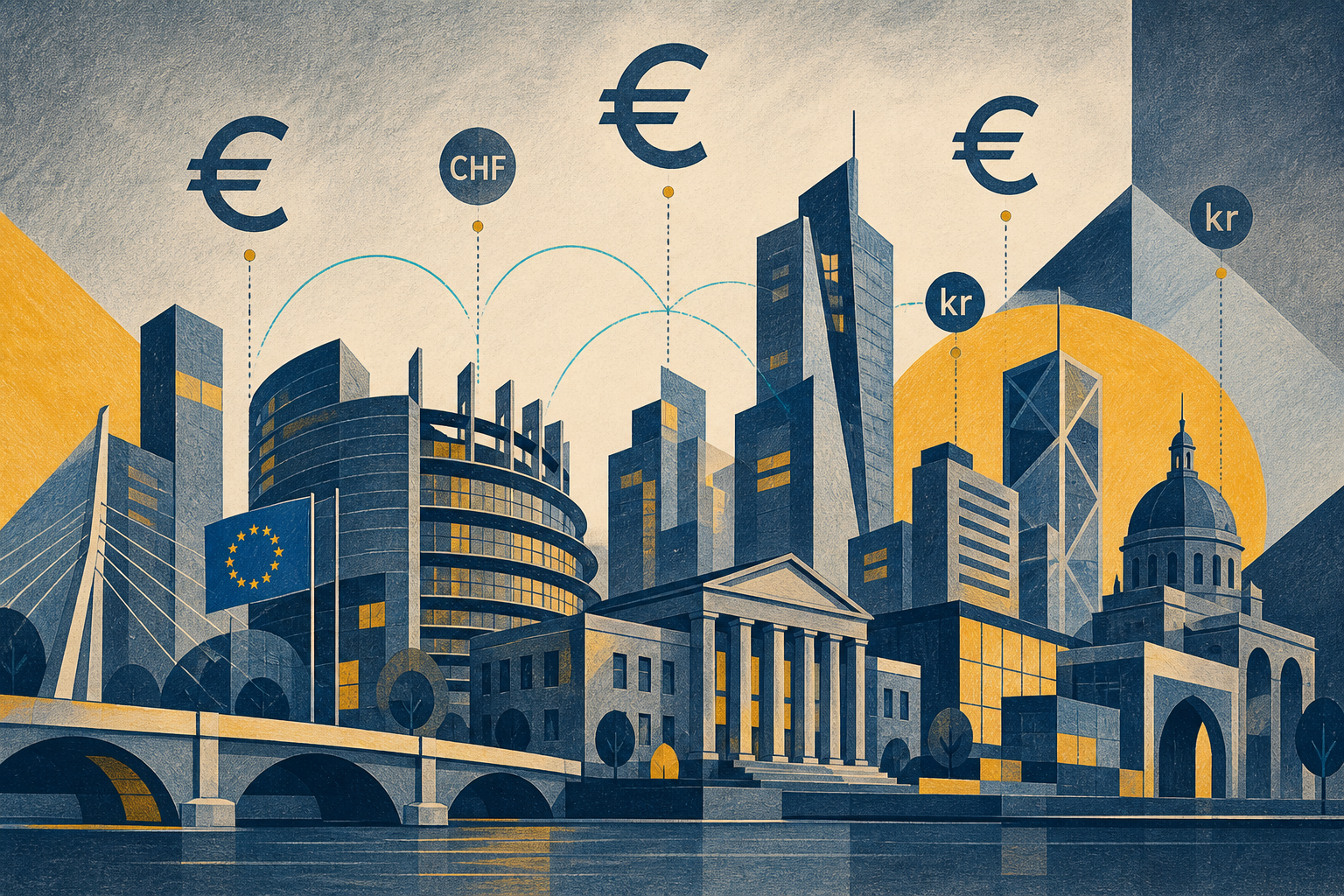
August’s European M&A market concentrated capital around strategic control points. Banking defence, logistics scale, radiopharma, aviation, and electrification showed buyers paying for assets and capabilities that would be slow, regulated, or expensive to reproduce.
-

British investment into Germany surged to €26 billion last year. IW calculations show UK inflows rising 284%, making Britain Germany’s largest individual foreign investor as overall overseas investment recovered.
-

Italy has requested €8bn from Europe’s SAFE defence funding scheme. The EU-backed loan programme is designed to accelerate joint procurement and expand Europe’s industrial capacity for defence equipment.
-

Germany is targeting stronger growth through reform and infrastructure spending. Chancellor Friedrich Merz wants expansion of at least 1% next year as Berlin deploys capital from its €500bn infrastructure programme.