
-
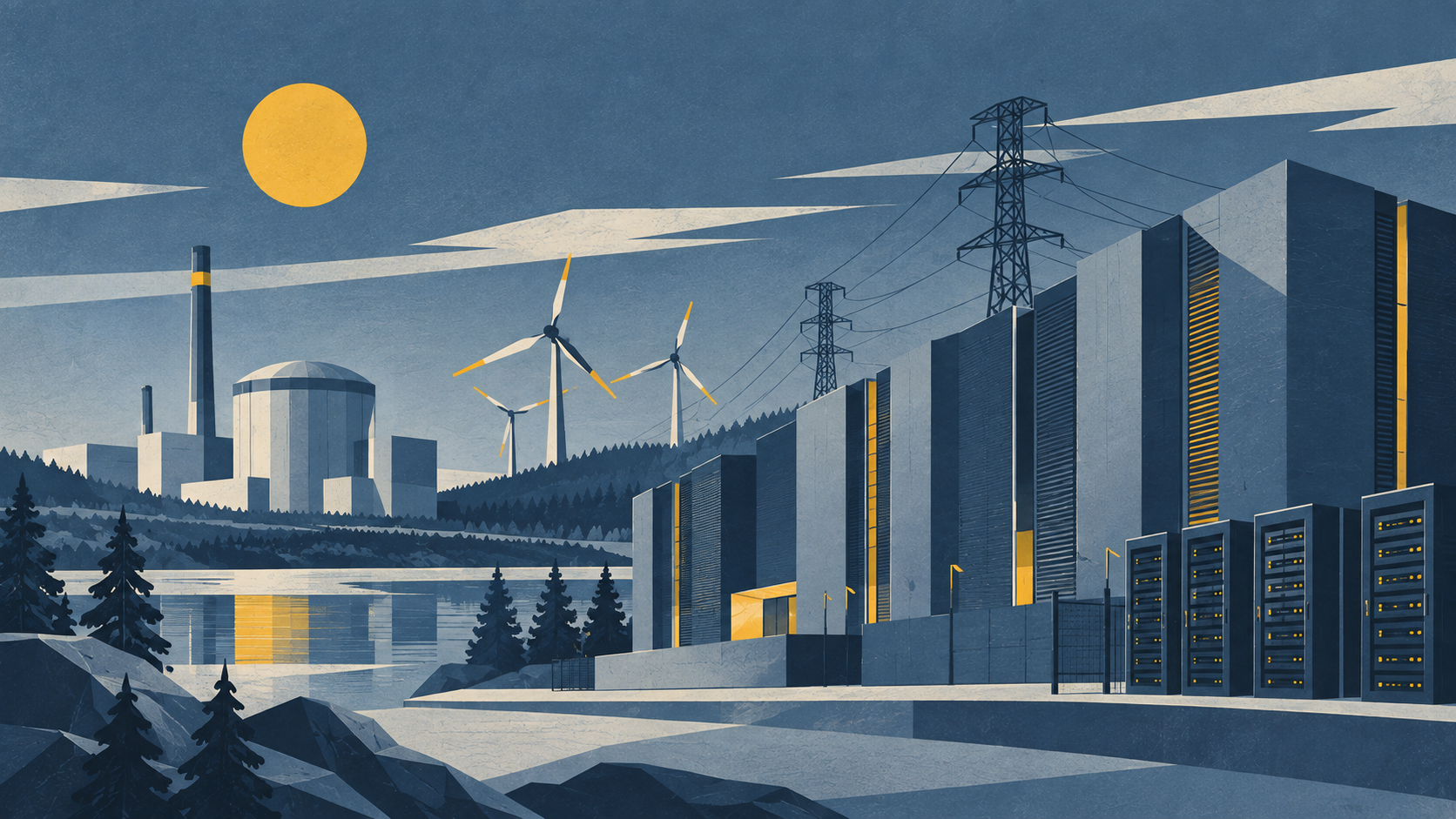
Google is committing €13bn to expand AI infrastructure across Finland. The programme combines new data centres with long-term nuclear power, wind, battery storage, skills investment, and grid agreements.
-

August’s European M&A market concentrated capital around strategic control points. Banking defence, logistics scale, radiopharma, aviation, and electrification showed buyers paying for assets and capabilities that would be slow, regulated, or expensive to reproduce.
-

British investment into Germany surged to €26 billion last year. IW calculations show UK inflows rising 284%, making Britain Germany’s largest individual foreign investor as overall overseas investment recovered.
-

Italy has requested €8bn from Europe’s SAFE defence funding scheme. The EU-backed loan programme is designed to accelerate joint procurement and expand Europe’s industrial capacity for defence equipment.
-

Germany is targeting stronger growth through reform and infrastructure spending. Chancellor Friedrich Merz wants expansion of at least 1% next year as Berlin deploys capital from its €500bn infrastructure programme.
-

NewGen is adding leadership capacity as its international footprint expands. Senior appointments across governance, creative, US talent, AI, and the Nordics accompany the creator agency’s push into new markets and service lines.
-

Ingenico has secured new capital to reset its balance sheet. A PIMCO-led investor group is providing €150m as the payments company increases investment in products, cloud infrastructure, and customer support.
-

Swiss online retail growth is outpacing the wider market significantly. Two industry datasets put first-half ecommerce growth at roughly 8% to 11%, compared with a 2.6% increase across retail overall.
-

Revolut will take its premium travel proposition into physical airports. The fintech plans a network of branded European lounges beginning in Copenhagen in 2027, extending its subscription strategy beyond digital financial services.
-

Cocoa supply chains face fresh pressure from EU deforestation rules. West African exporters are spending heavily on farm mapping and traceability, while concerns are growing that compliant beans could be in short supply during the regulation’s initial phase.