
-

City institutions want financial services placed inside the EU reset. UK Finance says closer cooperation would reduce duplication, improve capital flows, and support investment without rejoining the single market.
-
Labour is reconsidering how far UK-EU economic alignment can go. Ministers are weighing practical cooperation on electricity, emissions, and trade frictions while keeping formal Brexit red lines in place for this parliament.
-

UK accountants are fielding more questions on European expansion routes. New e-Residency research suggests digital-first structures are now being recommended ahead of traditional EU subsidiaries by more advisers.
-
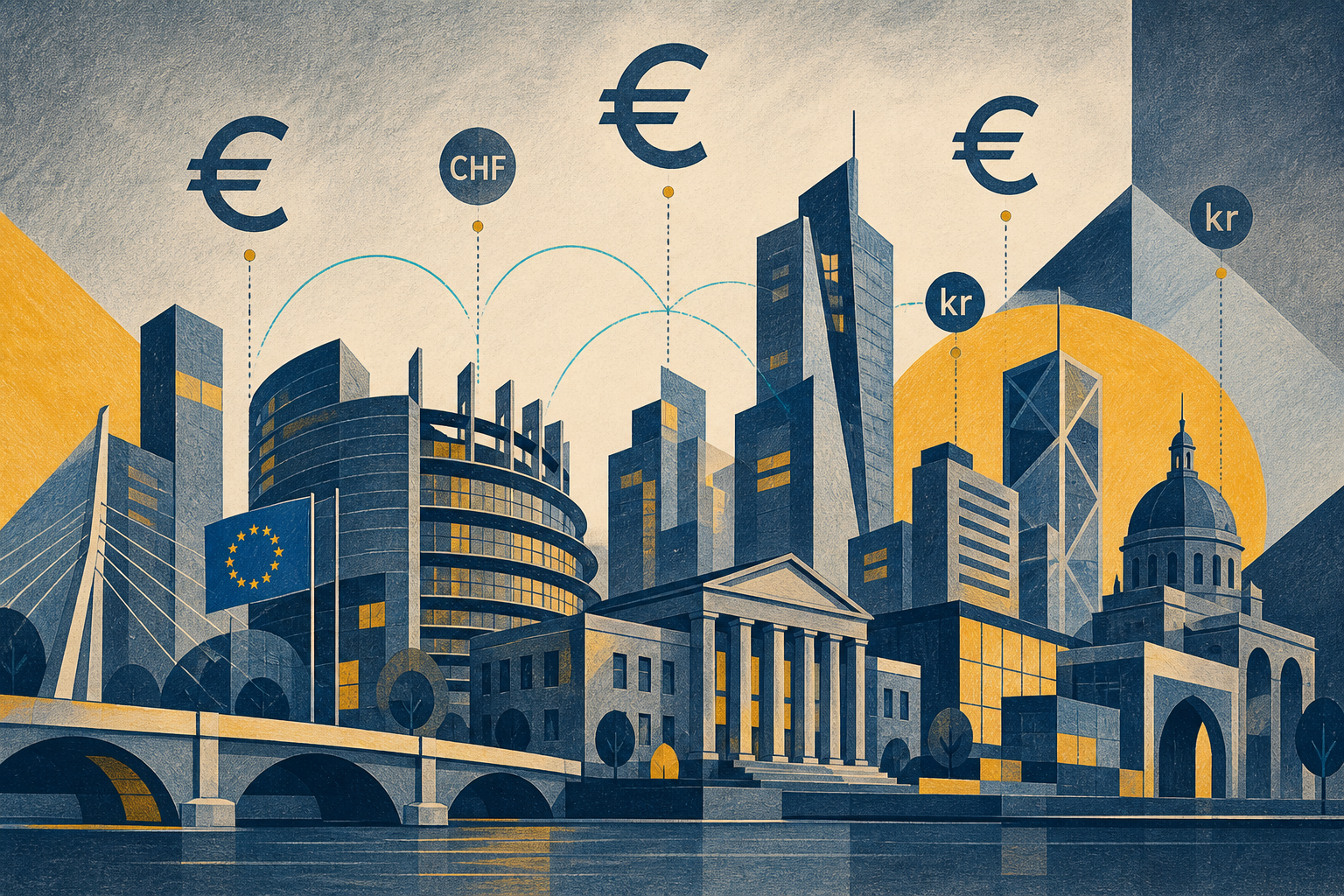
Europe’s May M&A market favoured control, certainty, and strategic patience. The largest stories centred on contested assets, public-market discounts, private-equity pressure, and boards testing whether premiums were enough to justify surrendering independence.
-

Business schools are broadening career preparation for an altered economy. emlyon’s CAP partnership with L’atelier des Chefs combines management study with practical training, giving students a wider set of options in a labour market being reshaped by automation.
-

Oritain says prohibited cotton exposure is rising across global supply chains. Its new report suggests supplier tracing alone is no longer enough as regulators tighten enforcement and brands spread sourcing across more manufacturing hubs.
-

POLIMI has climbed sharply in executive education rankings this year. Gains in both open and custom programmes have lifted the school into Europe’s top 30 across the two Financial Times tables.
-

GymBeam says scale and margins are rising across European markets. The company reported €232 million in 2025 sales excluding VAT, alongside a 35% rise in EBITDA and a stronger gross margin.
-

Europe’s biggest listed companies face a widening futureproofing deficit today. A new DAX-AEX benchmark says environmental and social costs continue to weigh heavily on long-term value across some of the continent’s largest businesses.
-

Signicat has added product leadership before Europe’s identity rules tighten. Emma Bauer joins as chief product officer as digital identity providers prepare for heavier cross-border compliance demands.