
-

Convergint has opened a central London base for UK growth. The Victoria office strengthens its access to customers, partners, colleagues, and community initiatives across the capital.
-

Europe’s steel quotas tighten as industrial policy hardens across markets. New EU duty-free limits and 50% over-quota tariffs will reshape sourcing decisions for manufacturers, construction groups, and trade-exposed suppliers.
-

Europe’s invoice mandates are becoming a finance transformation deadline now. E-invoicing and digital reporting rules are pushing companies to rethink receivables, tax data, cash visibility, and order-to-cash control.
-

HMRC has publicly named a Russia sanctions settlement company today. Petrofac Facilities Management Limited paid £569,157 after breaches linked to sanctioned goods and technical assistance during its Russian wind-down.
-

Volkswagen’s restructuring pressure is now a test of industrial governance. Management has told employee representatives current job cuts are insufficient, sharpening tensions around factories, labour power, and Europe’s automotive transition.
-
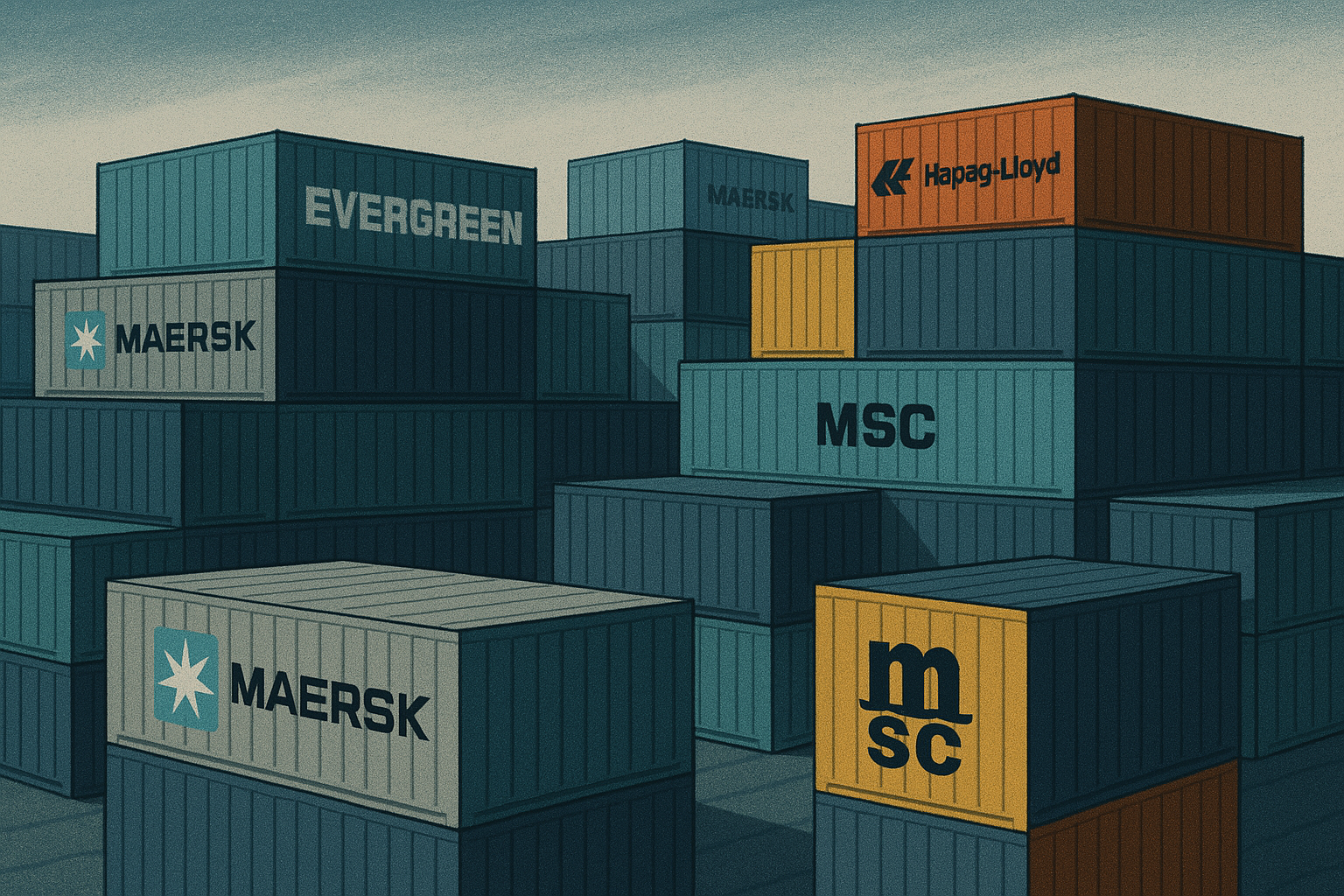
Europe’s trade talks with China have moved into deadline territory. Brussels wants tangible progress by October as the goods deficit, rare earth controls, and industrial competition sharpen pressure on EU supply chains.
-

Financial firms may soon gain clearer Consumer Duty compliance boundaries. The FCA has opened consultation on targeted changes to the regime, with wholesale activity, non-UK customers, distribution chains, and proportionality central to the review.
-
France has turned fast fashion into a regulatory test case. New restrictions on advertising, influencer promotion, and product-level penalties will test ecommerce models built on speed, scale, and low-cost consumer acquisition.
-

Scotland’s biomethane opportunity is moving from climate claim to investment. SGN-backed analysis says renewable gas could support jobs, rural income, energy security, and grid decarbonisation by 2050.
-
British farming faces another commercial strain from post-Brexit trade shifts. Cheaper imports, weaker EU trade flows, subsidy reform, labour limits, and volatile input costs are sharpening questions over domestic food production.