
-
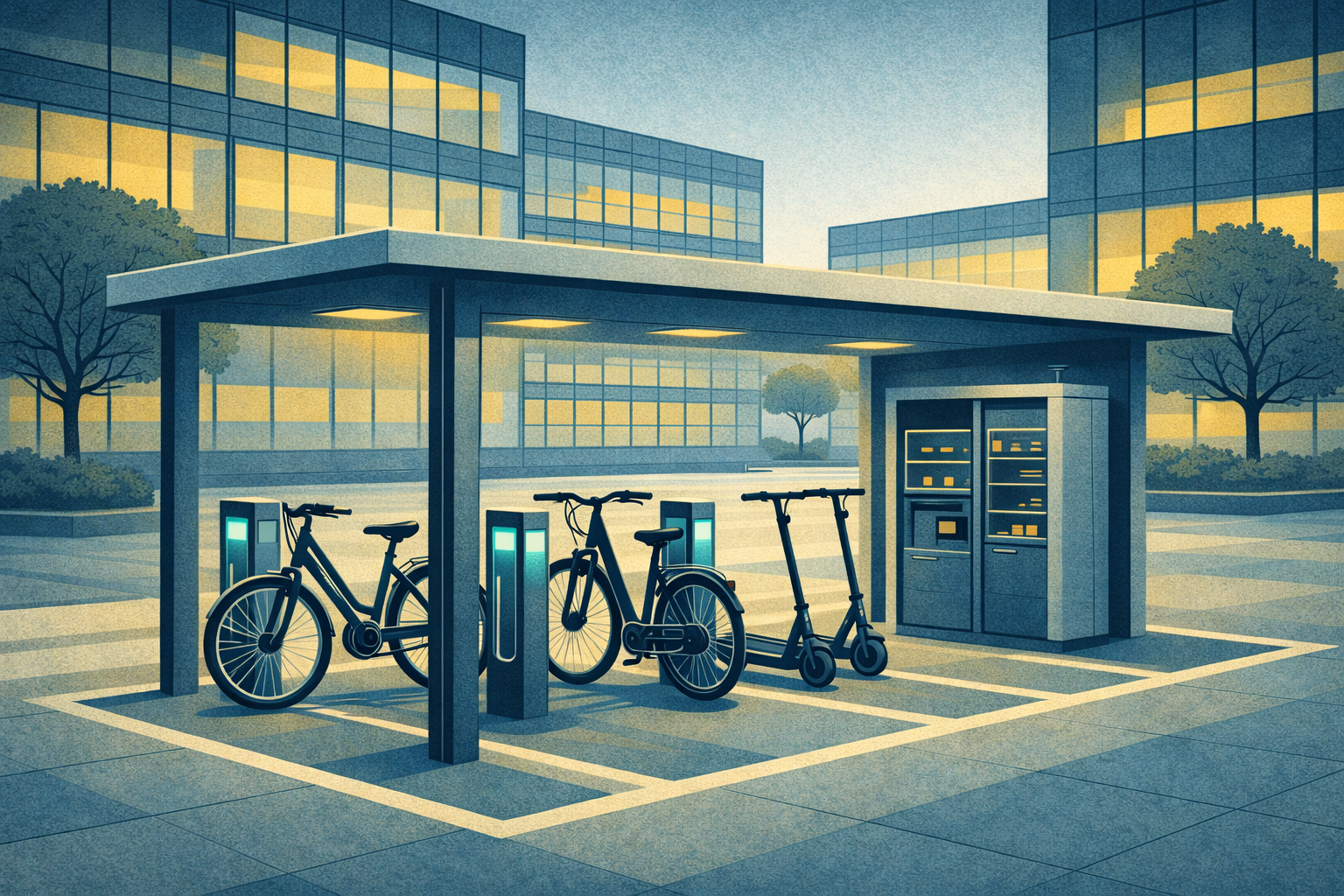
Astutis has warned employers over rising workplace risks from e-bikes. The training provider says lithium-ion battery fires are increasing and is urging organisations to review storage, charging, and fire risk assessment practices.
-

Neurodiversity presents both opportunity and responsibility for modern workplaces. Dan Kentley, Head of Assessment and Specialist Clinical Services at Onebright, explains why organisations that recognise neurodivergent strengths — and make practical workplace adjustments — can unlock productivity, innovation, and stronger employee retention.
-

Half of UK women feel supported during menopause at work. New research commissioned by Serenova shows sector disparities in menopause support across UK workplaces, with healthcare workers reporting the strongest backing while retail employees report the lowest levels of support.
-

Workplace harassment remains widespread, yet most cases never reach HR. New EU survey analysis puts lifetime workplace sexual harassment at 30.8%, and shows only 37.3% report to an official body, leaving organisations blind to patterns.
-

Nearly half of UK workers feel unsafe speaking up at work. New research from MHFA England links psychological safety to productivity, error reduction, and employee wellbeing, highlighting a growing cost for UK organisations.
-
Working parents face rising burnout pressures employers can no longer. Onebright’s Dr Julia Lyons outlines how organisations can recognise parental burnout and take practical steps to support working parents before stress escalates into longer-term absence or disengagement.
-

The world has failed to learn key lessons from COVID-19. New research in The Lancet Psychiatry warns that governments must embed mental health into pandemic preparedness, after evidence showed inequalities deepened and vulnerable communities were left behind.
-

One in four UK employees has called in sick due to stress. New research from Astutis exposes the hidden costs of workplace pressure, showing that poor stress management not only harms wellbeing but also undermines productivity, retention, and profitability across British organisations.
-

WorkL’s 2026 list reveals how culture and wellbeing drive success. The latest World’s Happiest Workplaces ranking names Amazon, Accenture, and Disney among global leaders investing in employee happiness as a business performance metric.
-
Young adults are spending to reclaim control of their time. New data shows 25–34-year-olds are twice as likely as older generations to pay for convenience — outsourcing routine chores to protect rest, hobbies, and social time. The shift marks a broader effort to ease burnout and restore balance.