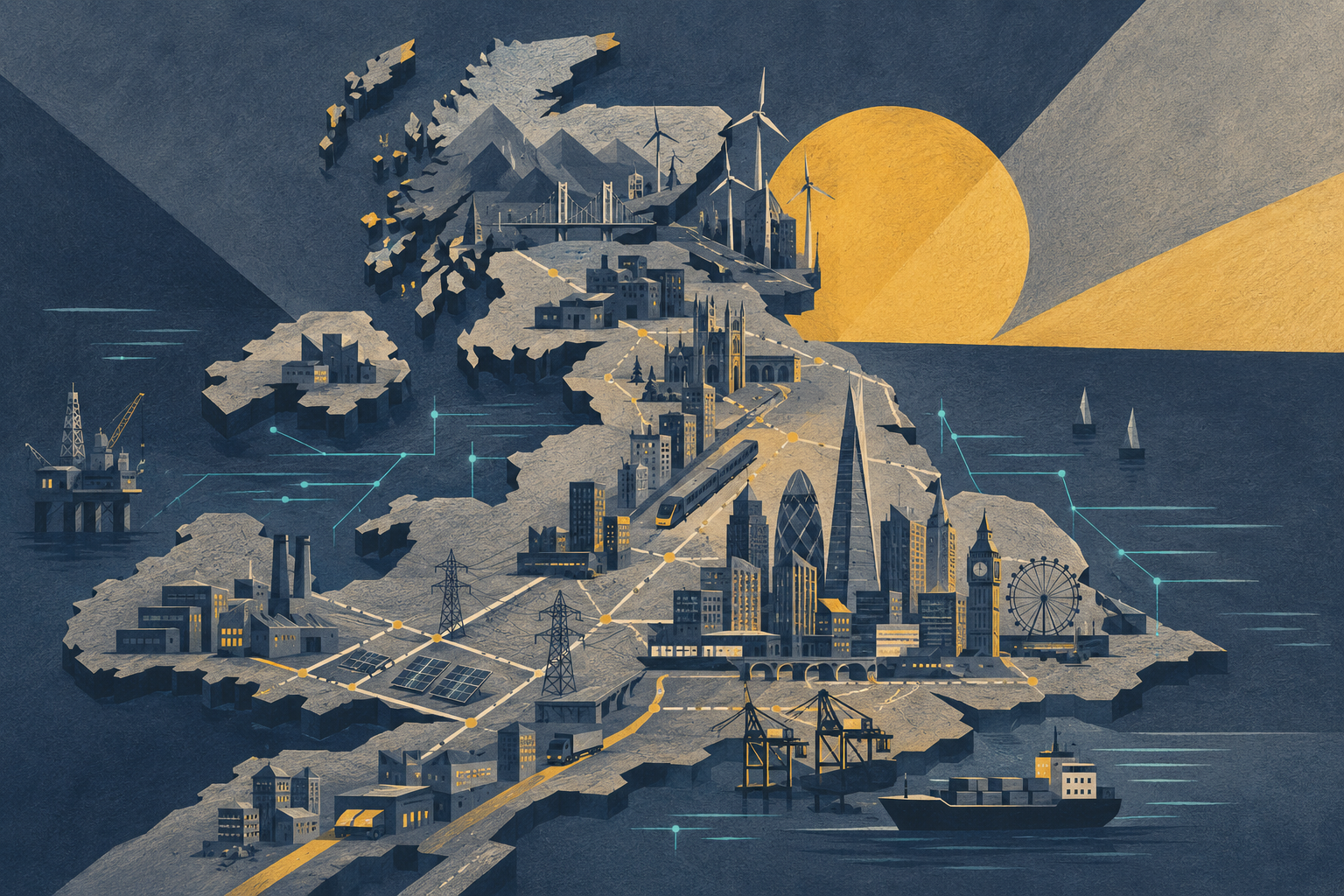
The Met Office has warned that weather once treated as exceptional is becoming normal across the UK, increasing climate risk across employment, infrastructure, insurance, property, logistics, and supply chain planning.
The latest State of the UK Climate analysis shows that 2025 was the warmest year on record for the UK in a series dating back to 1884. The Met Office said the UK’s climate is now substantially warmer, wetter, and sunnier than in past decades, with recent extremes giving a clearer view of the conditions organisations may need to plan around.
Mike Kendon, the Met Office lead author of the report, said: “What we used to think of as extreme, we increasingly consider as normal.”
The findings add weight to a shift already visible across insurance, energy, logistics, construction, water, agriculture, facilities management, and workplace safety. Climate adaptation is no longer confined to sustainability teams because the effects of heat, rainfall, drought, and wildfire risk increasingly affect service continuity.
The Met Office said the UK’s most recent decade was 1.33°C warmer than the 1961 to 1990 average. The country has also become 9% wetter and 5% sunnier over the same comparison period. Hot days are becoming more frequent, while warm nights are also increasing, reducing the opportunity for buildings, transport systems, and workers to recover from daytime heat.
Heat can reduce productivity, increase absence, damage transport infrastructure, interrupt outdoor work, raise cooling costs, and increase the risk of equipment failure. Higher rainfall can affect drainage, warehousing, site access, roads, rail, and commercial property. Drought risk alters water availability and can raise operating costs for food producers, manufacturers, hospitality operators, and utilities.
The same infrastructure strain is already visible in adjacent parts of the economy, from grid delays testing a planned £2bn AI campus to AI infrastructure pushing Microsoft’s reported emissions higher. Climate risk now sits alongside energy access, planning delays, and data centre growth as a practical constraint on investment.
Many larger companies already disclose climate-related risks to investors, lenders, customers, or public sector buyers. The harder question is whether the assumptions inside business continuity plans, site selection, insurance purchasing, procurement, and workforce policies reflect the climate in which the company will operate over the next decade.
Some sectors are exposed more directly than others. Construction and infrastructure face heat safety rules, materials constraints, and project delays. Retail and hospitality must manage changing footfall patterns, refrigeration, transport resilience, and staff wellbeing. Logistics companies need to plan around road disruption, warehouse heat, and vehicle performance. Agriculture and food supply chains face water stress, crop volatility, and greater exposure to extreme weather abroad as well as in the UK.
Insurance pricing is likely to become a more visible transmission mechanism. As claims data reflects repeated flooding, subsidence, storm damage, heat stress, and business interruption, companies with weak adaptation measures may find cover more expensive or more restricted. Property valuations may also begin to reflect resilience gaps more clearly, particularly where assets depend on cooling, drainage, or transport access.
The report carries implications for workforce management as well as estates and assets. Heat policies, flexible hours, personal protective equipment, outdoor scheduling, ventilation, travel disruption, and mental load during extreme weather are increasingly relevant to employers. Climate adaptation now reaches HR, operations, procurement, finance, and customer service.
Commercial leases, infrastructure assets, energy contracts, technology systems, and supply arrangements often run across years. If those decisions are still based on historical climate assumptions, organisations may underestimate the cumulative effect on costs, service levels, and resilience.
The Met Office findings make climate adaptation a management discipline rather than a distant policy debate. The companies best placed to absorb the shift will be those that test their assets, people, suppliers, and service promises against a warmer and more volatile operating environment.