
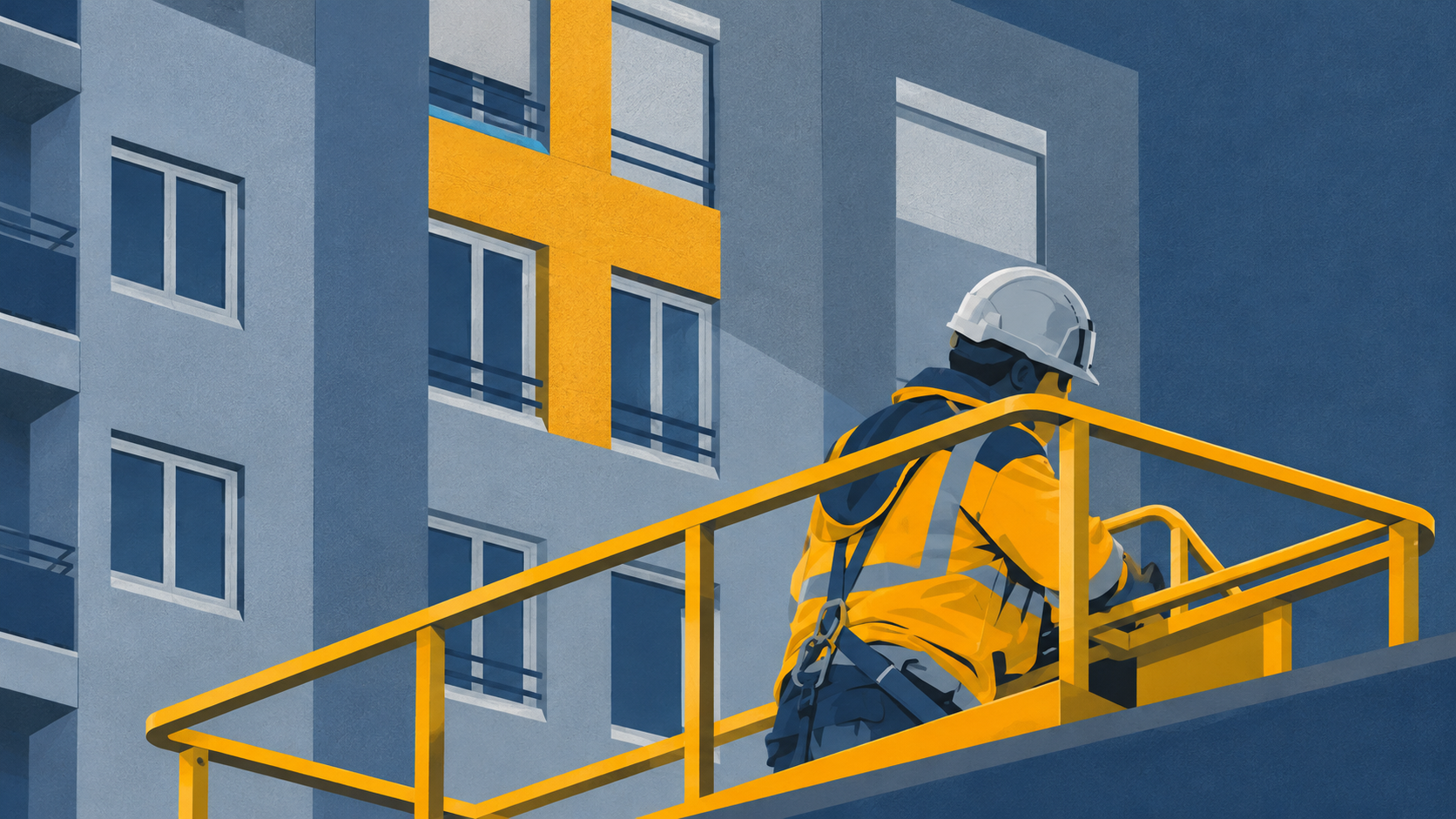
The government has introduced legislation intended to accelerate repairs to residential buildings with unsafe cladding, strengthen enforcement against those responsible for delays and improve routes for recovering remediation costs.
The Building Safety (Remediation of Unsafe Cladding etc) Bill was introduced to Parliament on 14 October 2026 as part of efforts to address gaps in the framework established following the Grenfell Tower fire.
Ministers want to make it easier to identify parties responsible for building defects, require action where necessary and reduce the legal and administrative obstacles that have prevented some affected buildings from being made safe.
The bill proposes stronger duties for those responsible for building safety, including requirements relating to the identification, assessment and remediation of relevant defects. It also seeks to provide additional enforcement mechanisms when responsible parties fail to make satisfactory progress.
The proposals build on the Building Safety Act 2022, which established protections for qualifying leaseholders and mechanisms for pursuing those responsible for certain historical construction defects.
Although that legislation created new legal rights and responsibilities, the government acknowledges that difficulties remain in establishing who must undertake or finance work on some buildings.
Complex ownership structures can contribute to those problems. A residential development may involve freeholders, managing agents, developers, contractors, insurers and other parties whose responsibilities differ according to the history and legal arrangements of the property.
Where ownership or liability is disputed, remediation can become entangled in lengthy proceedings. Residents may face uncertainty about safety, maintenance charges, mortgage availability and the future sale of their homes while those questions remain unresolved.
The government is seeking to improve the ability of public bodies and other authorised parties to intervene where those primarily responsible repeatedly fail to act. The legislation also proposes stronger requirements around building assessments and the provision of information about planned remediation.
More consistent information could help residents understand what work is required, who is responsible for arranging it and when it is expected to take place. It would also give regulators and public authorities a clearer basis for identifying buildings where progress has stalled.
Another important element concerns construction product manufacturers. The government wants to strengthen routes through which parties that have paid for remediation can seek contributions from manufacturers whose products were implicated in unsafe construction.
Such claims can involve technical and legal disputes about product specifications, the information available when materials were selected and the respective responsibilities of designers, manufacturers and contractors.
Improving the legal routes for recovering costs may influence how claims are pursued, but it would not remove the need to establish liability in individual cases.
The bill also sits alongside the government’s wider Remediation Acceleration Plan. Ministers have set an expectation that buildings over 11 metres in England with unsafe cladding should have completed remediation or have a clear completion date by the end of 2029.
Meeting that objective will require more than legislative changes. Building owners and contractors must obtain reliable assessments, secure appropriate funding, organise access and commission qualified specialists to complete the necessary work.
For property businesses, the proposed legislation increases the importance of accurate records, clear responsibility for building safety and evidence that remediation decisions are being implemented within reasonable timescales.
Developers and construction suppliers may also need to review their exposure to historical claims, particularly where responsibility for products or building specifications is contested.
The bill remains subject to parliamentary scrutiny. Its proposed duties, penalties and enforcement powers should not be treated as already operative, and their final scope will depend on the legislation enacted.
The government’s central objective is to reduce the number of buildings where unresolved legal and financial disputes continue to delay safety work. Whether the new framework achieves that outcome will depend on enforcement capacity, funding arrangements and the practical delivery of remediation across affected developments.


You must be logged in to post a comment.