
-

Consumers are demanding more than familiar symbols of corporate sustainability. New research suggests authenticity, visible processes, and recognisably human creative are becoming more important as brands try to turn environmental claims into credible communications.
-

US pressure is intensifying around Europe’s corporate sustainability rulebook again. Washington wants tighter limits on the reporting, due diligence, and enforcement obligations imposed on American companies, despite substantial EU simplification already agreed this year.
-

London’s main flood defence may require replacement earlier than planned. Officials warn the Thames Barrier could need major intervention by 2050-60, with costs potentially reaching £20bn as sea-level rise, ageing assets, and more demanding operating conditions reshape long-term resilience planning.
-
Corporate Travel Management has secured fresh contracts despite overbilling repayments. The Australian travel group has won 26 UK public-sector awards worth £420m while repaying £42.8m linked to erroneous billing, intensifying scrutiny of government contract management.
-

Households near new grid projects could receive ten-year bill discounts. The first transmission developments expected to qualify have been identified, with £250 annual payments planned to begin for eligible projects from 2027.
-
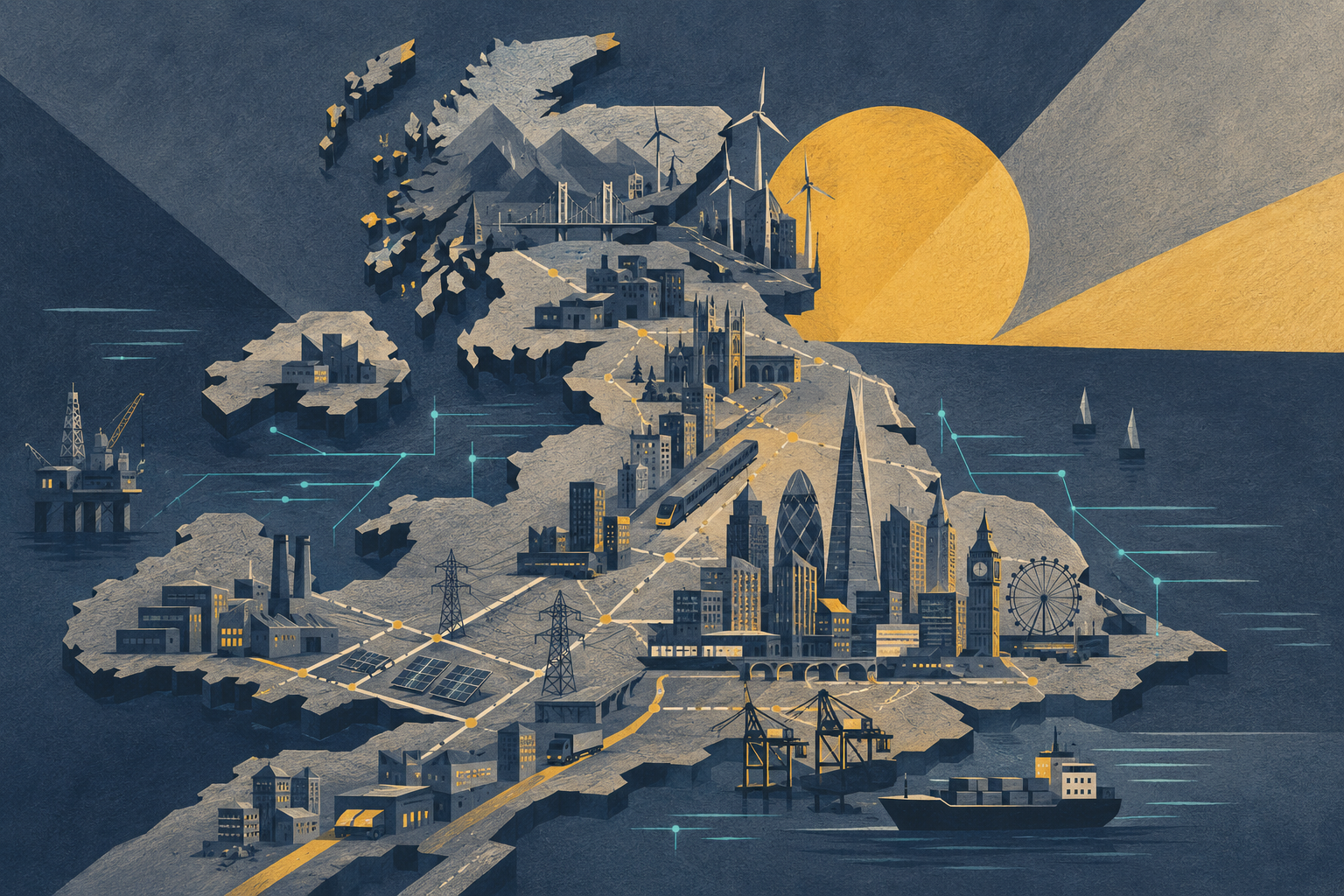
Repeated heatwaves cut estimated UK economic output by £4.4bn overall. Verdant’s model links extreme heat with lower productivity, while excluding several wider costs including wildfire damage and additional electricity consumption.
-

JCB has set a hydrogen land-speed record using production engines. Hydromax averaged 406.320mph at Bonneville with technology derived from engines now being deployed through the manufacturer’s £100m hydrogen programme.
-
Sumitomo has taken a third of Gwynt Glas offshore wind. The Japanese group’s first floating-wind investment gives it an equal stake alongside EDF power solutions and ESB in the proposed 1.5GW Celtic Sea project.
-
Drought now covers more than seven-tenths of England’s total area. Agriculture, water supplies, navigation, and businesses face increasing pressure after exceptionally dry conditions, with more than 27 million people already subject to water-use restrictions.
-

Swiss Re says European heat mortality risk remains underestimated today. The reinsurer’s warning shifts the climate discussion towards life-and-health exposure, workforce resilience, and risk modelling as extreme temperatures drive thousands of excess deaths.