
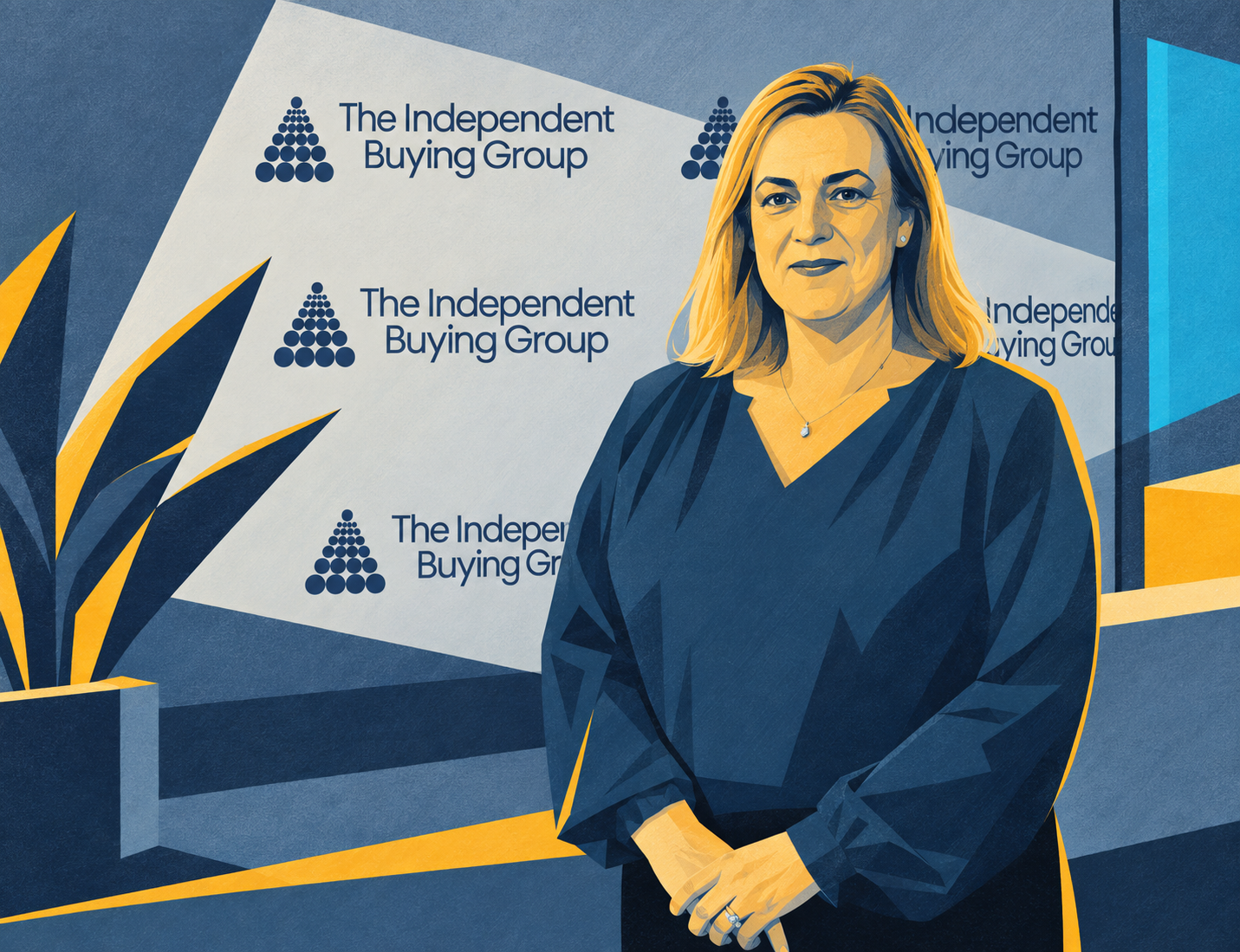
The Independent Buying Group has launched a procurement service intended to give smaller companies access to collective buying, supplier vetting, and sourcing support more commonly available to larger organisations.
The business was founded by procurement specialist Shona Motherwell, who has more than 25 years’ experience and has previously held senior roles at SSE and BAE Systems.
Its model combines group tenders for recurring overheads, direct procurement support, and a directory of suppliers that have gone through a vetting process.
Motherwell said: “Large businesses have buying power, time and dedicated procurement teams. Smaller businesses often have none of those.”
The company says an early customer reduced annual card-processing charges from around £18,000 to £6,000 after going through its tender process, producing a £12,000 annual saving.
The example is also published on the group’s website, where Motherwell describes approaching alternative card-payment providers after the customer was offered a new long-term contract by its existing supplier.
Collective procurement aggregates the demand of several smaller buyers before approaching suppliers. Larger volumes can create greater negotiating leverage over price and service than an individual SME might achieve on its own.
The Independent Buying Group is initially applying that model to card payments and energy, with fuel and other services expected to follow. It also offers support negotiating direct cost-of-goods contracts and running individual tender exercises.
Large organisations commonly employ dedicated procurement teams and operate formal systems for supplier selection, contract management, tendering, and performance reviews.
Smaller companies often distribute the same work between owners, finance teams, and operational managers whose principal responsibilities lie elsewhere. Recurring contracts can consequently remain unchanged for years because reviewing the market takes time and carries switching costs.
The group-tender model does not guarantee that every participant will obtain the lowest available price. Usage profiles, creditworthiness, contract length, service requirements, and implementation costs can all affect the terms available to an individual company.
The business is also developing a supplier directory intended to reduce some of the initial due-diligence work. Motherwell says prospective suppliers are assessed before entering the directory, including checks around financial standing and their ability to deliver.
The commercial model varies according to the service being used. The business describes fixed fees and savings-based charges rather than relying solely on continuing supplier commissions linked to customer spend.
Its card-payment service, for example, advertises a savings-based fee for businesses that are not members of the wider buying group, while members can access different commercial terms.
The economics of collective purchasing improve as more buyers participate because the aggregated contract becomes more attractive to suppliers. The operational challenge grows at the same time, as different businesses may have different volumes, locations, service expectations, and contract dates.
The Independent Buying Group’s expansion will therefore depend on whether it can grow buying volume while preserving sufficient flexibility for individual SMEs. Its early card-payment example gives the model a savings case study; repeating those results across energy, fuel, and other categories will determine whether collective procurement becomes a scalable service rather than a series of individual sourcing exercises.


You must be logged in to post a comment.