
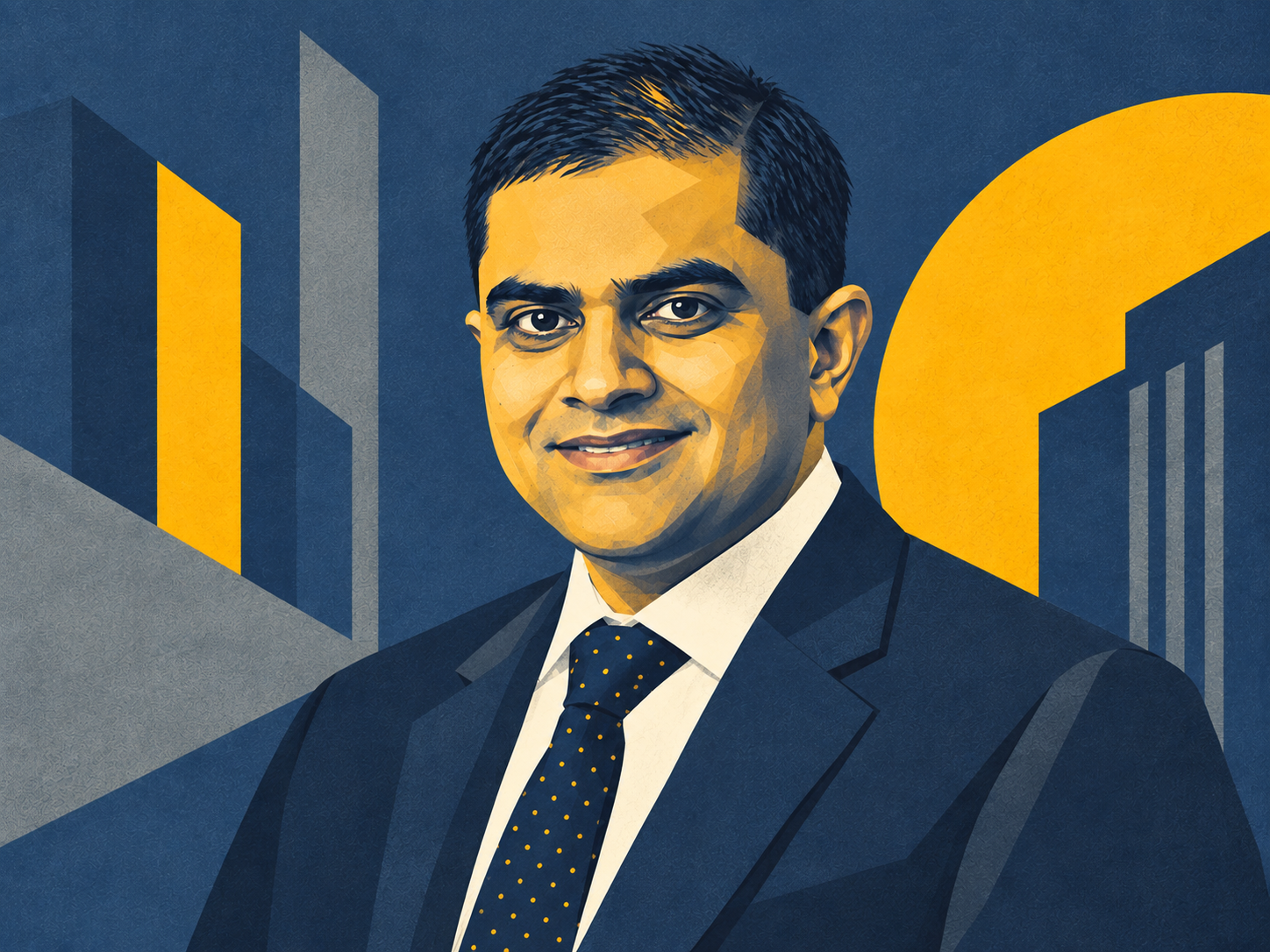
BMC Software has appointed former IBM executive Tarun Chopra as senior vice president and general manager of Intelligent Z Optimization and Transformation, placing him in charge of its mainframe business as AI expands into core enterprise systems.
Chopra takes up the role from 1 October and reports to BMC president and chief executive Ayman Sayed. He succeeds John McKenny, who is retiring after three decades with the company.
His responsibilities include BMC’s work applying AI across mainframe operations, data, security, and application development, alongside continued development of the BMC AMI portfolio.
Sayed said: “With Tarun’s unique perspective on the convergence of mainframe, cloud, and enterprise AI, I’m confident his leadership will shape the next era of the mainframe.”
Chopra joins BMC after more than two decades across hardware and software within the IBM Z, data, cloud, and AI ecosystem. Most recently, he served as vice president of product management for IBM Data and AI.
His previous roles covered product management, engineering, strategic integration, IBM Z, and hybrid cloud. BMC also said he led integration work around HashiCorp following IBM’s acquisition of the infrastructure software company.
Mainframe modernisation has evolved beyond a straightforward choice between keeping systems and migrating them elsewhere. Large organisations increasingly retain mainframes while changing the software development, data access, automation, and cloud services that surround them.
The infrastructure remains deeply embedded in banking, insurance, government, retail, and other industries where high transaction volumes and strict reliability requirements can make wholesale replacement difficult.
Generative AI is creating another route into those estates. Coding assistants can help engineers understand older applications, generate documentation, build tests, and work across languages where experienced specialists are becoming harder to recruit.
Operational AI can also analyse incidents, identify patterns in performance data, prioritise remediation, and automate repetitive management activity.
BMC describes part of its direction as “agentifying” the mainframe, moving towards software agents able to perform defined tasks across operations and development.
Greater autonomy increases the importance of controls. Systems supporting payments, customer records, insurance policies, and other critical processes cannot tolerate the same failure rates as experimental AI applications.
Permissions, security, audit trails, human intervention, and the ability to reverse automated actions therefore become central to the design of agentic mainframe tools.
McKenny’s retirement also marks a significant succession point inside BMC. During his tenure, the company expanded its mainframe operation through acquisitions including Compuware, Correlog, Model9, and RSM Partners.
Chopra inherits that larger portfolio as customers try to combine long-lived infrastructure with cloud and AI technology. His remit centres on accelerating development and automation without sacrificing the control and reliability that explain why many enterprises still depend on mainframes for their most critical workloads.

You must be logged in to post a comment.