
-

Hargreaves Lansdown will require staff to attend offices three days. The investment platform will introduce the policy from 2027 as employees move into an expanded Bristol headquarters, replacing its previous approach without a fixed attendance requirement.
-

Hargreaves Lansdown will require staff to attend offices three days. The investment platform will introduce the policy from 2027 as employees move into an expanded Bristol headquarters, replacing its previous approach without a fixed attendance requirement.
-
Peldon Rose has reported record revenue following five-year expansion plans. The workplace specialist says turnover has risen 222% to £88m, alongside growth in project delivery and headcount, prompting the opening of a second studio in Wimbledon.
-
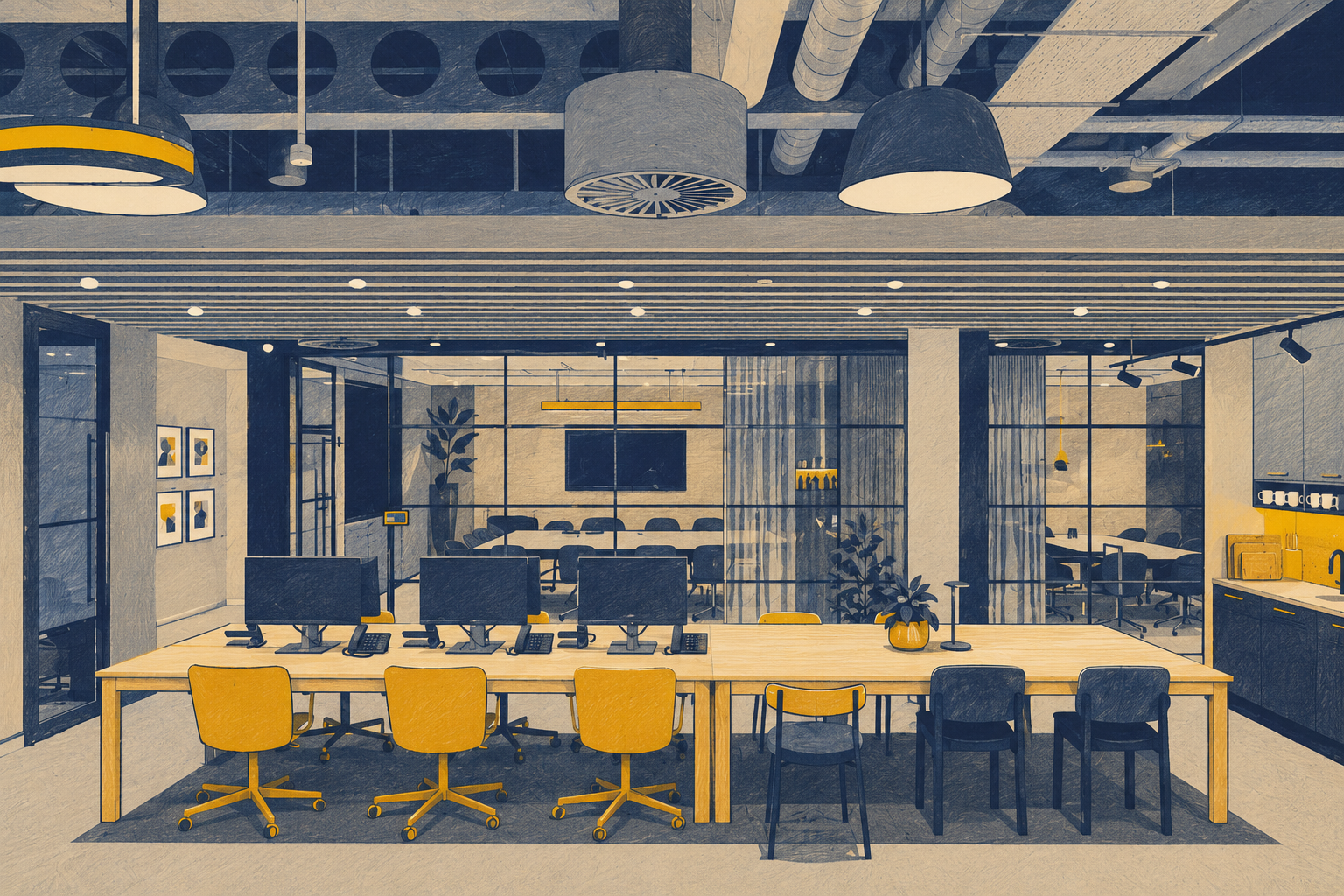
Peldon Rose has reported record revenue following five-year expansion plans. The workplace specialist says turnover has risen 222% to £88m, alongside growth in project delivery and headcount, prompting the opening of a second studio in Wimbledon.
-

OpenAI’s NextSlide acquisition pushes ChatGPT deeper into workplace productivity software. The presentation startup’s team has joined OpenAI as competition intensifies around AI tools that can turn business inputs into finished work.
-
UK vacancies fell while employer demand for AI skills surged. Indeed recorded an 11% decline in postings this year, alongside record technology requirements and the weakest graduate market since 2020.
-

Technical education reform has triggered a wider talent debate. Business figures say the government must value academic, vocational, entrepreneurial, and neurodivergent pathways if its skills agenda is to support future workforce needs.
-

AI governance is becoming a graduate skills category. Imperial Business School has launched an MSc combining AI, economics, law, and policy to prepare students for roles in regulation, governance, compliance, and digital markets.
-

Mediazoo is linking creativity, behaviour, and AI performance. The group has launched an eight week Human Performance campaign and opened a decade of client films to show how storytelling can support organisational change.
-

Carbon data gaps are limiting lower-emission workforce accommodation decisions today. Roomex found that only 24% of UK decision-makers can compare emissions information easily before rooms are booked.