BlockAPT has launched Pivotra AI Essential, an AI powered cyber defence product designed to help small and medium-sized enterprises respond to machine-speed threats without enterprise-level security teams.
The London-based cyber defence company said the product has been built around a three-click model — activate, connect, protect — and is intended to provide an autonomous defence layer that can monitor, triage, contain, remediate, and learn from cyber incidents.
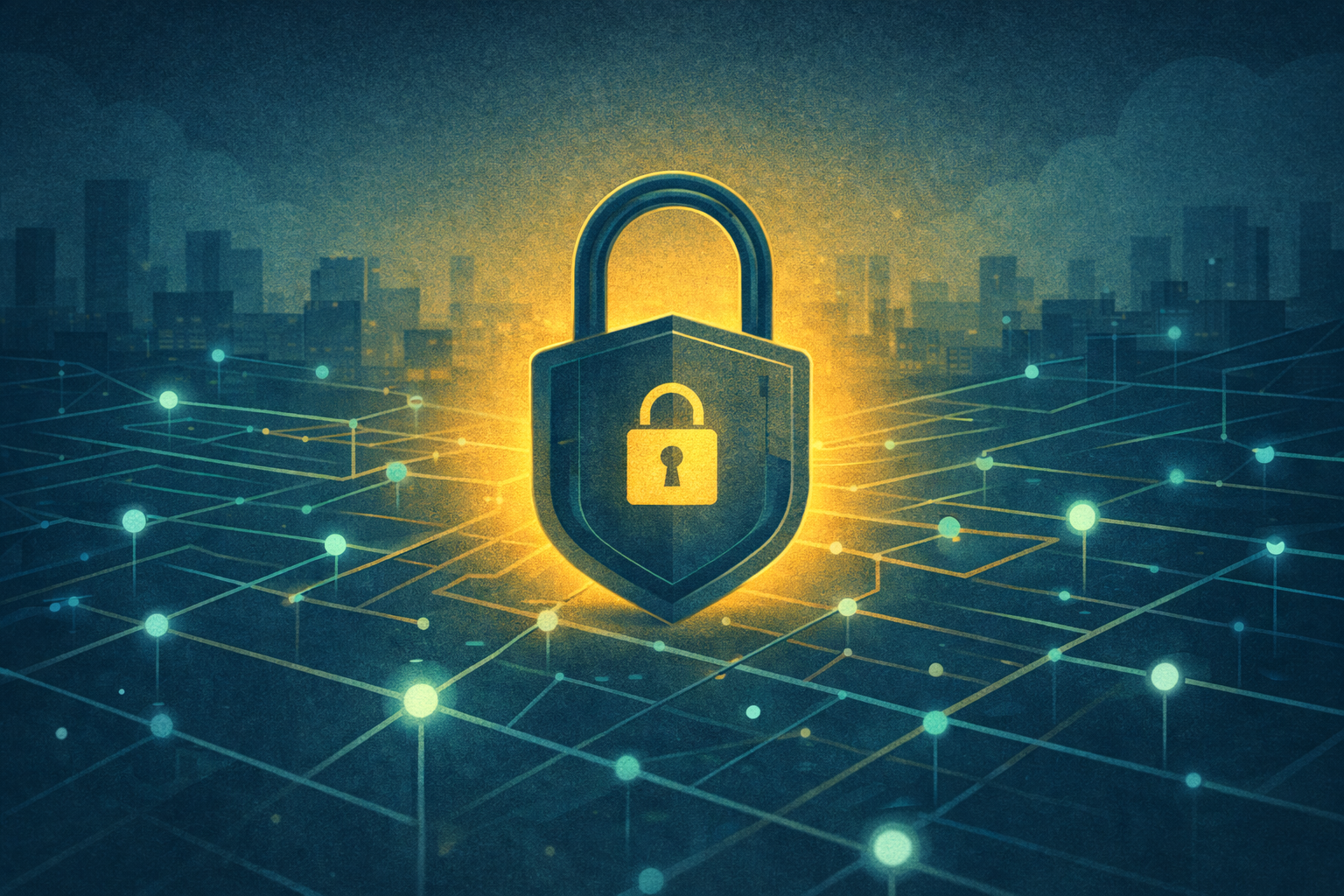
Pivotra AI Essential spans endpoint, email, identity, cloud, web, and network signals. It is designed to detect risks such as phishing and malware in real time, use AI-driven risk scoring to decide responses, and defend through containment, blocking, quarantining, and remediation.
The launch is targeted at SMEs that face increasingly automated attacks but lack the security operations centres, specialist headcount, and cyber budgets available to larger enterprises. BlockAPT said the product is intended to help smaller organisations keep pace with threats including phishing, business email compromise, malware, ransomware, suspicious network activity, and risky login behaviour.
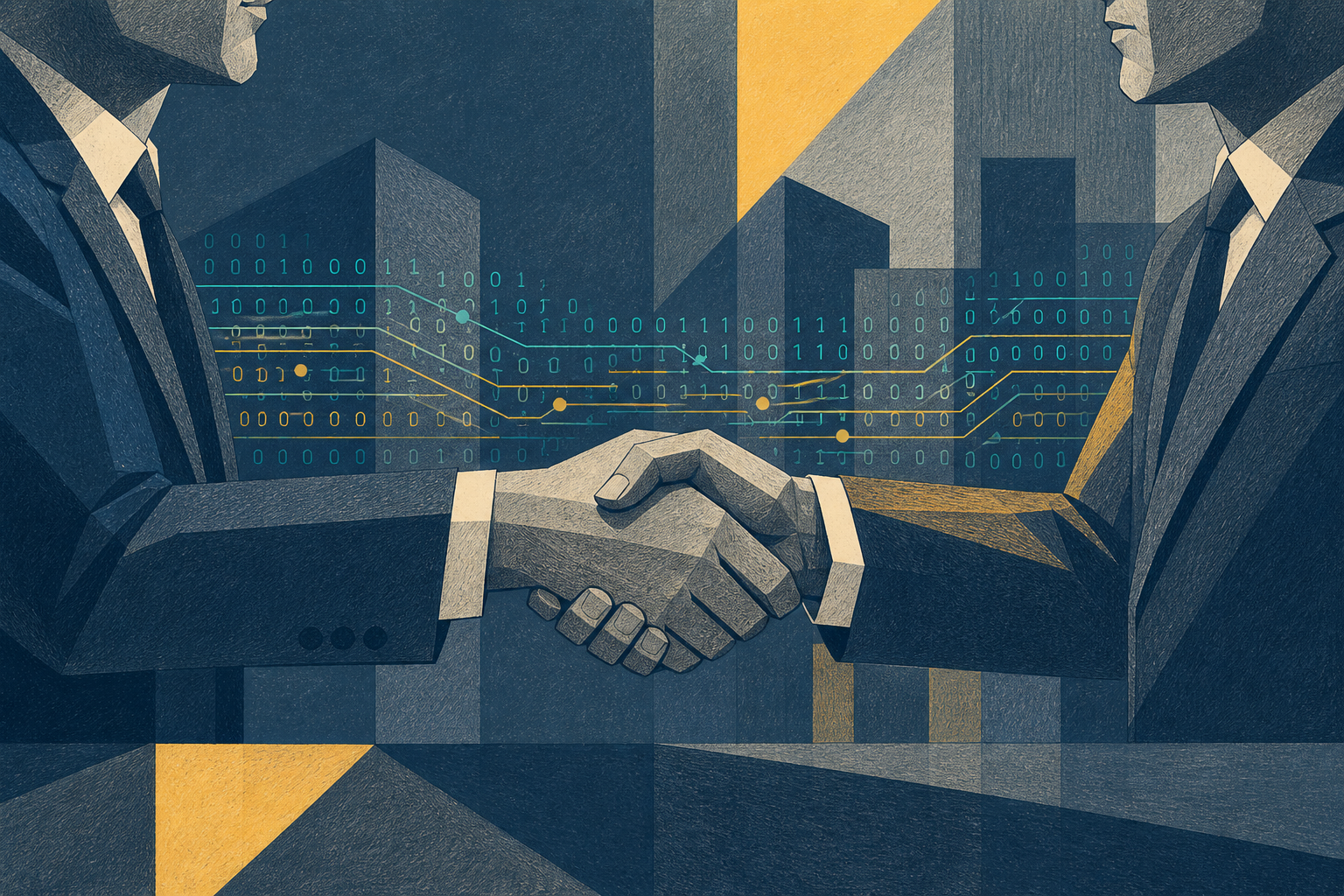
Stephen Hudson, CEO of BlockAPT, said: “SMEs are the backbone of the economy, but too often they are left defending themselves with tools designed and priced for enterprises. Pivotra AI Essential gives smaller organisations autonomous cyber defences, without a large Security Operations Centre and without enterprise pricing.”
The launch comes as cyber risk climbs higher on the UK corporate agenda. Government data from the Cyber Security Breaches Survey 2025 to 2026 found that 46% of small businesses and 65% of medium-sized businesses had reported a cyber breach or attack in the previous 12 months.
The government’s Cyber Resilience Pledge has already placed boards, suppliers, and operational risk teams under sharper pressure, with more than 60 founding signatories committing to stronger cyber governance. BlockAPT’s launch addresses the same pressure from the SME end of the market, where internal cyber capacity is often much thinner.
SMEs often sit in the weakest part of the cyber economy. They hold valuable data, make payments, use cloud services, rely on email and identity systems, and connect into larger customer supply chains. Yet many still depend on basic antivirus, outsourced IT support, password controls, and ad hoc incident response.
That gap has become more dangerous as attacks accelerate. Generative AI and automation can make phishing more convincing, increase the speed of reconnaissance, and help attackers scale social engineering. Deepfake-enabled fraud, business email compromise, and credential theft are no longer fringe concerns.
The commercial impact of cyber attacks can be severe. A small company may not need to be systemically important to suffer a major trading interruption. A ransomware attack, compromised email account, fraudulent payment instruction, or cloud-access incident can halt operations, damage client trust, trigger contractual issues, and create regulatory exposure.
SMEs also increasingly face cyber requirements from larger customers. Supply chain due diligence, Cyber Essentials expectations, insurance questionnaires, procurement checks, and data-processing agreements are making cyber preparedness part of winning and retaining work. A smaller supplier that cannot evidence basic resilience may find itself excluded from contracts even if it has never suffered a major incident.
Autonomous cyber tools are emerging partly because the talent market cannot solve the problem alone. Security analysts, incident responders, cloud security specialists, and identity experts are expensive and in short supply. Smaller companies cannot always hire or retain them, and outsourced services can become costly where monitoring is continuous.
AI assisted defence can help by triaging alerts, detecting patterns, containing threats, and learning from incidents. The risk is that companies assume automation removes the need for governance. Even automated tools need configuration, oversight, escalation processes, and clear decision-making where containment affects business operations.
The buyer challenge will be trust. SMEs need tools that are simple enough to deploy, affordable enough to maintain, and transparent enough to understand when automated responses are taken. A product that blocks the wrong account, quarantines legitimate files, or interrupts systems during a trading period can create its own operational problem.
Cyber defence is therefore a management decision as much as a technical procurement. Smaller companies need to know what the tool covers, what it does not cover, who reviews alerts, how incidents are escalated, how employees are trained, and how cyber processes connect to insurance, contracts, and customer communication.
BlockAPT’s launch reflects a wider change in the cyber market. Enterprise-grade security concepts are being repackaged for smaller organisations because attackers do not limit themselves to large targets. As cyber threats become faster and more automated, the SME defence model has to rely on more than periodic checks and reactive support.
The next stage of SME cyber resilience will depend on whether providers can combine automation with clarity. Smaller companies need defence that works at speed, but they also need systems they can govern, explain, and afford.