
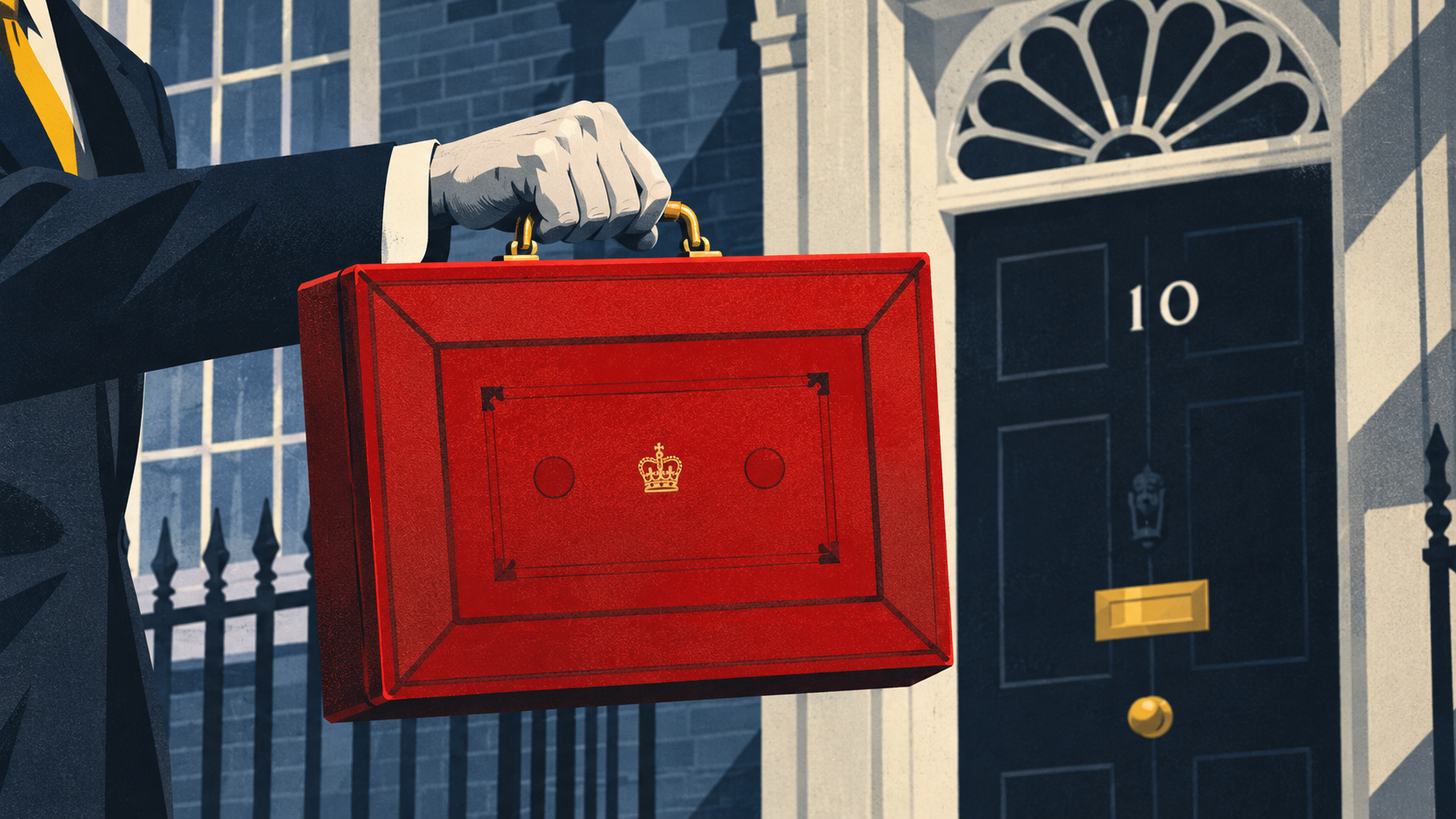
British businesses head into today’s Autumn Budget seeking relief from rising operating costs, greater certainty over taxation, and policies that make investment more affordable. Chancellor John Healey will deliver his first Budget under Prime Minister Andy Burnham at approximately 12.30pm, amid pressure to address energy bills and employment costs without undermining the public finances.
The difficulty facing employers is evident in the latest British Chambers of Commerce (BCC) Quarterly Economic Survey. Only 17% of more than 4,300 responding businesses plan to increase investment in plant, machinery, or equipment over the next three months, unchanged from the previous quarter and still a post-pandemic low. Inflation is a concern for 60%, while 52% cite taxation.
Another measure of uncertainty comes from Grant Thornton, which surveyed 500 UK business leaders, finance leaders, and heads of tax. It found 65% were delaying investment decisions until after the Budget. Asked what they wanted from the Chancellor, 44% selected a simpler tax system, 39% greater tax stability, and 38% support with energy costs. The findings suggest that predictable rules matter alongside the immediate level of taxation.
Employment costs and the pressure to recruit —
Employer National Insurance and the National Living Wage are central to the debate. The Confederation of British Industry wants the employer National Insurance secondary threshold raised from £5,000 to £6,000, while the BCC advocates targeted employer contribution relief for under-25s. Both proposals are intended to reduce the cost of recruitment, although neither is confirmed government policy.
The National Living Wage is widely expected to increase from £12.71 to around £13.20 an hour for workers aged 21 and over from April 2027. That figure remains a reported expectation ahead of the Chancellor’s statement. Any rise would increase wage bills in labour-intensive sectors, while also raising minimum earnings for eligible employees.
Warren Abbey, CEO of 365 Finance, argues that wage increases need to be accompanied by support for the businesses paying them.
“The danger of higher wages, if not introduced alongside other initiatives that improve trading conditions or alleviate their financial burden, is that businesses respond not by growing, but by postponing recruitment, reducing hours, or passing more costs on to customers.”
Retail and hospitality businesses also face energy and property costs. The government has already promised a further 20% reduction in business rates bills from April 2027 for eligible pubs, social clubs, and live music venues in England. The wider high street will be watching for details of additional rates reform. The BCC is also pressing for lower commercial electricity costs and more consistent local export support.
Investment finance and confidence —
Access to finance can enable expansion, but availability of funding is not the same as affordability. Smaller businesses must account for payroll, energy, and compliance expenses before deciding whether an equipment purchase or new facility will deliver a viable return.
Ylva Oertengren, co-founder and chief operating officer of Simply, argues that investment support needs to address those recurring expenses as well as the initial funding requirement.
“For a smaller manufacturer, financing new machinery is only part of the running costs: it also needs to make ends meet with employment, compliance and energy costs.”
Oertengren wants targeted relief from employer National Insurance costs, simpler reporting requirements, and stable investment incentives with clear eligibility rules. Her concern is that businesses cannot commit to financing equipment confidently if their running costs and future tax treatment remain uncertain.
The Treasury has already outlined proposals for £20.4 billion of additional capital for the National Wealth Fund and British Business Bank over approximately five years, expanding the capacity of public institutions to support business and infrastructure investment. Separately, the government estimates that changes to reporting requirements and import tariff suspensions could save businesses almost £800 million annually. These are announced proposals and estimates, rather than savings already realised by companies.
Keith Griffiths, founder and CEO of The Entrepreneur Festival, argues that policy must reflect the contribution of smaller enterprises as well as headline-grabbing high-growth businesses.
“My three priorities are simple: back Britain’s ‘invisible businesses’ as well as the next tech unicorn, give entrepreneurs a meaningful seat at the table, and provide the stability businesses need to invest and grow.”
There is also speculation over higher taxation of banks, gambling businesses, and online marketplaces. The Chancellor is expected to seek additional revenue while maintaining his commitment to fiscal discipline, but the precise scope of any new tax measures will not be known until the statement and accompanying Treasury documents are published.
Skills, innovation, and regional growth —
Alongside short-term cost relief, businesses want a clearer route to improvements in productivity. The government has set out a pre-Budget AI investment package covering technology development, security, skills, and regional adoption, while promising further powers and funding flexibility for mayors.
For the creative industries, those policies raise questions about who benefits from innovation and how intellectual property will be protected. Laura Lear, managing director of AMBITIOUS, wants creative tax reliefs protected, better access to private investment, and more support for apprenticeships and regional creative clusters.
“Government must also ensure AI innovation advances responsibly, with robust copyright and intellectual property protections that safeguard creators and work.”
The business response will depend not only on headline funding commitments but on eligibility, implementation timetables, and how costs are distributed between sectors. Grant Thornton’s survey found that, if the Budget offered no material relief from tax and cost pressures, 39% of respondents said they would raise prices or fees, 35% would delay or cancel UK investment projects, and 32% would freeze recruitment or reduce working hours.
Those are conditional responses rather than predictions. They nevertheless identify the decisions businesses are holding open as the Chancellor prepares to announce the government’s fiscal plans.



You must be logged in to post a comment.