Uber has expanded its restaurant advertising tools with two Uber Eats marketing products built around timed offers, repeat ordering, and in-app customer behaviour.
Uber Advertising has introduced Deal Drops and Reorder Rewards, giving restaurants new ways to use event-led demand and after purchase incentives inside the Uber Eats app. The products are designed around the short ordering window in food delivery, where Uber says more than three quarters of delivery decisions are made within an hour.
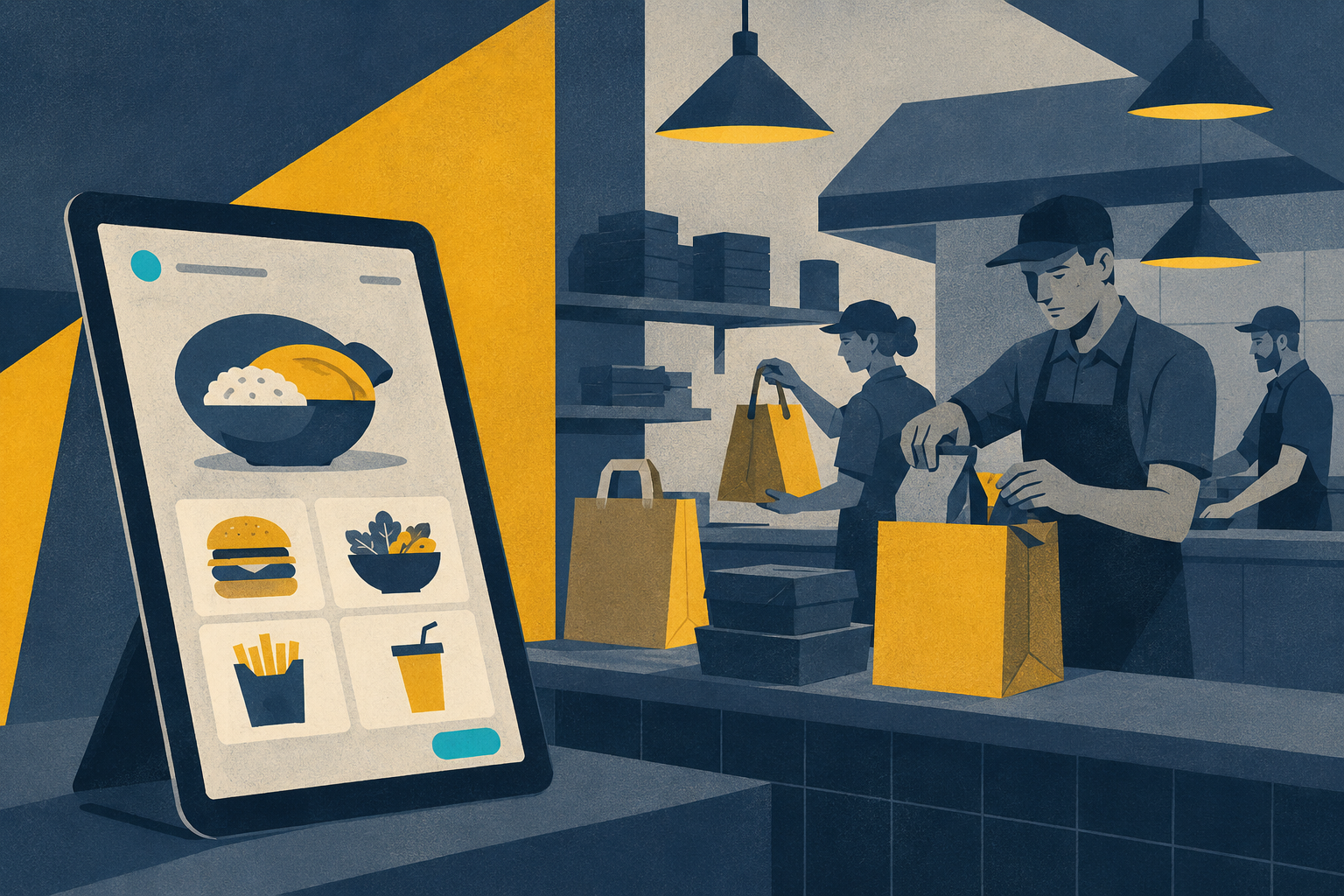
Deal Drops allows participating restaurants to run limited time offers for one hour before selected cultural or sporting events. The product uses in-app placement, push notifications, home feed visibility, and a dedicated hub to bring participating offers together. Restaurants can also limit stock for each drop, adding scarcity to the promotion.
Reorder Rewards extends the customer relationship after checkout. Customers receive a reward for their next purchase, delivered as a thank you from the restaurant, with the reward remaining visible in Uber Eats for a limited period and applying automatically at checkout.
Tony Bandanza, head of US&C restaurant advertising at Uber, said: “Dining decisions are increasingly being made in real time, influenced by what feels most relevant and valuable in the moment. With Deal Drops and Reorder Rewards, we’re providing restaurants with new ways to engage customers during key decision-making moments — whether that’s capturing demand around cultural events or encouraging repeat orders through post-purchase rewards — helping brands move beyond general awareness and become the preferred choice when customer intent is at its peak.”
Jorrie Bruffett, managing director, US, at Joe & The Juice, said: “What excites us about Reorder Rewards is the ability to remain relevant after the first order by encouraging more frequent engagement. It provides a seamless incentive for customers to return, giving us valuable opportunities to showcase new items and build longer-term relationships rather than one-off transactions.”
The products sit within the rapid growth of retail media and commerce media, where platforms with transaction data are building advertising products around the points where customers are closest to purchase. Food delivery apps occupy a valuable position because they combine location, timing, purchase history, intent, menu choice, payment, and fulfilment within one environment.
That concentration of data and demand gives restaurant brands a sharper toolkit than conventional awareness campaigns, although the commercial discipline is more demanding. A one hour discount before a major event can capture demand when intent is high, but profitability depends on basket size, labour capacity, delivery fees, food cost, repeat purchase rates, and whether the customer would otherwise have ordered at full price.
Reorder Rewards carries a similar calculation. Incentives can build frequency, but loyalty funded entirely through discounting can weaken margins when rewards are not tied to higher lifetime value, larger orders, menu discovery, or reduced churn. The essential test is whether a reward changes behaviour or subsidises customers who would have returned anyway.
Delivery platforms increasingly operate as discovery environments, payment channels, loyalty systems, advertising networks, and fulfilment infrastructure. Restaurant groups can use those tools to improve visibility, but they also become more exposed to platform algorithms, ranking systems, paid placement, and promotional mechanics. Visibility inside the app can be valuable, yet it is rarely neutral.
Marketing teams are already being asked to fund new capabilities from existing budgets, particularly as AI experimentation, creator partnerships, data infrastructure, and retail media all compete for investment. Recent analysis of how AI pilots are squeezing marketing budgets showed how quickly spend can be redirected before returns are settled. Platform advertising adds another claim on those budgets because it promises a shorter route from media spend to revenue.
The mental availability question remains close to the surface. A recent launch of a mental availability diagnostic tool focused on whether brands come to mind in relevant buying situations. Uber’s new products apply that logic at the transaction point: the restaurant needs to be visible when the customer is hungry, weighing options, and ready to order.
Food delivery advertising is likely to become more competitive as platforms develop offer formats, auction mechanics, audience tools, and reporting systems. The danger is treating those tools as a substitute for brand, service, menu quality, and direct customer relationships. Platform advertising can convert intent, but it does not create durable loyalty by itself.
Deal Drops and Reorder Rewards give restaurant operators more precise ways to influence behaviour inside Uber Eats. Their value will depend on whether they are used as part of a wider customer strategy, rather than as another discount lever inside an already crowded marketplace.