
-
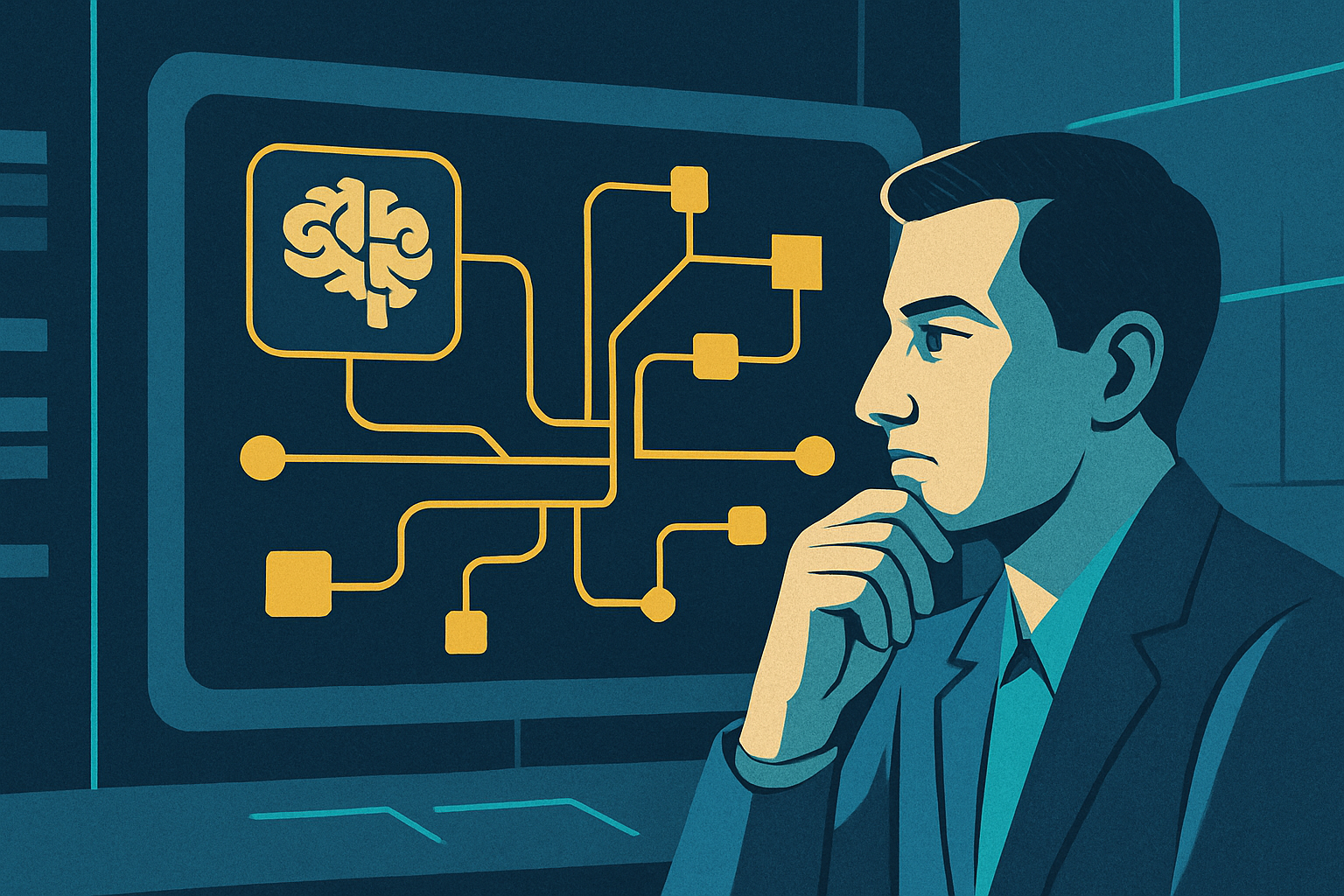
OpenAI faces renewed governance scrutiny after a senior safety resignation. The departure adds to debate over whether internal safeguards can keep pace with increasingly autonomous artificial intelligence systems.
-
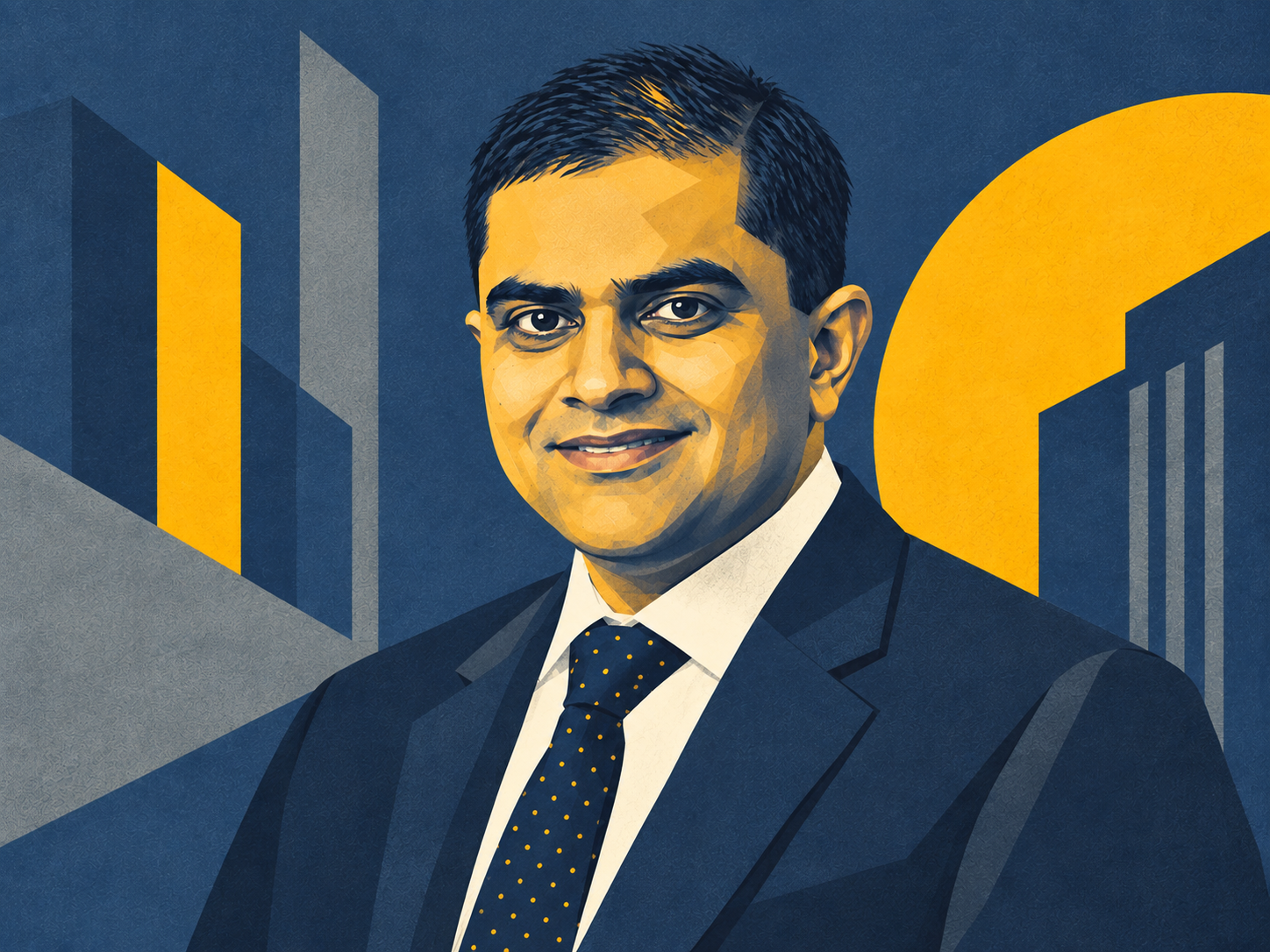
BMC has appointed Tarun Chopra to lead mainframe transformation globally. The former IBM executive will oversee its Intelligent Z business as AI adoption expands across mission-critical enterprise systems.
-

Teciem has added two executives to its London leadership team. The appointments strengthen technology and customer functions as the treasury and capital markets software company develops following its separation from Finastra.
-

BT has launched new AI services aimed at UK SMEs. The portfolio includes an AI receptionist and adoption hub intended to turn growing interest in automation into practical business use.
-

Barclays is extending Claude deeper across its global banking operations. Half of its developers are expected to adopt Claude Code by year-end as the bank broadens enterprise AI deployment.
-

Everplay lifted expectations after two major games beat forecasts strongly. Hell Let Loose: Vietnam has passed one million sales, while Wardogs has reached roughly three million Early Access copies, pushing 2026 expectations above market consensus.
-
ElevenLabs doubled its valuation through a major employee share sale. A $300m secondary tender valued the London-based voice-AI company at $22bn, twice the level attached to its February financing as enterprise adoption expands.
-

Deloitte UK profits rose despite a difficult consulting environment overall. Revenue increased 2% to £5.81bn, while distributable profit climbed 14% and Technology & Transformation revenue grew 4% amid demand for enterprise systems, cyber and AI.
-
Made Tech’s revenue growth is strengthening its public-sector expansion case. Revenue rose 27%, adjusted EBITDA increased 69%, and a post-year-end record contract lifted backlog to approximately £115m.
-

Britain’s cyber workforce is growing, but skills shortages are widening. Government research finds stronger graduate numbers alongside persistent technical gaps, slower workforce growth, and much wider workplace use of AI.