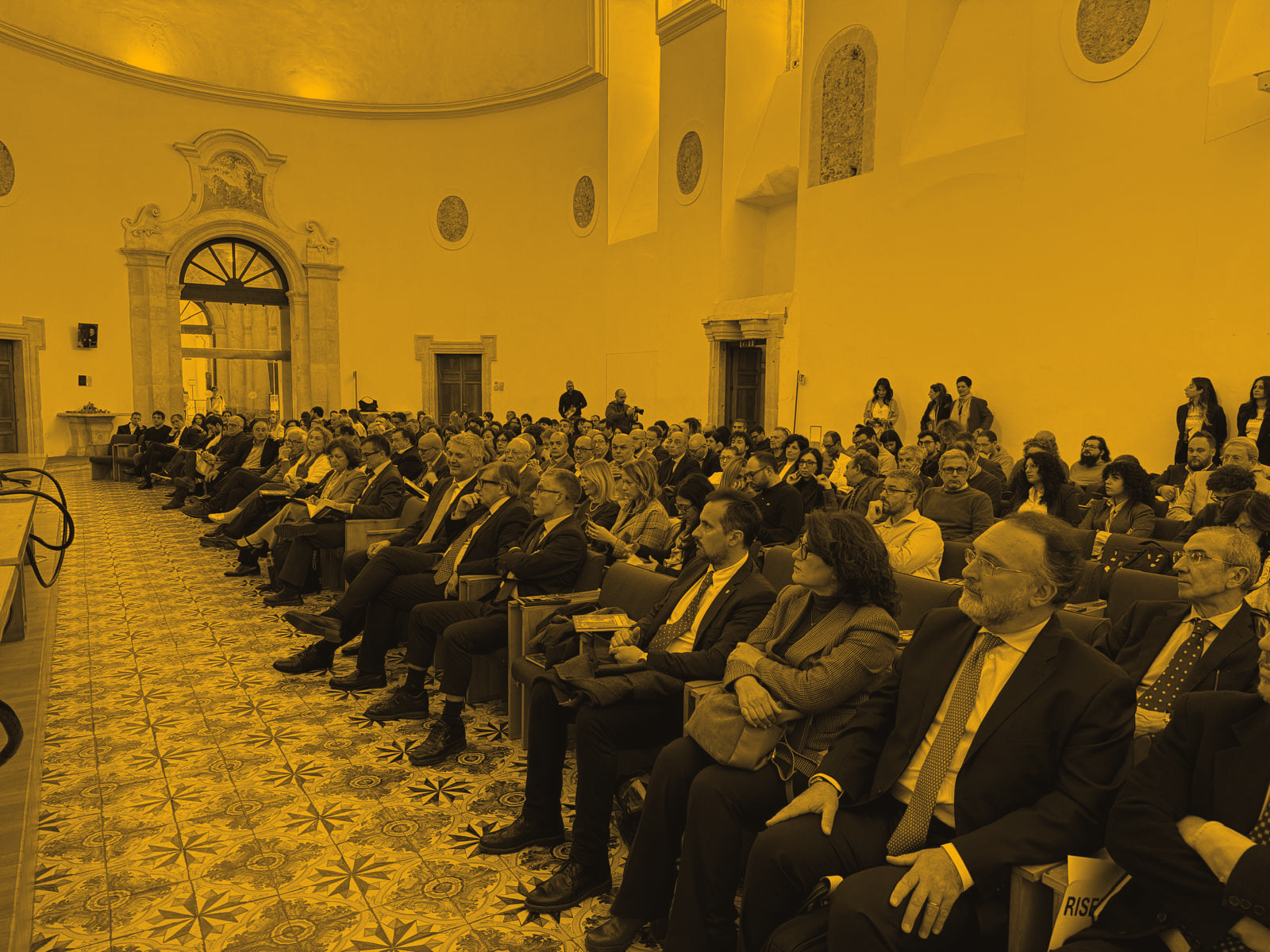
Samothrace Foundation has closed the four-year SAMOTHRACE research project in Sicily and secured funding for two successor programmes worth a combined €40m, signalling a new phase for the region’s micro- and nanotechnology ecosystem. The milestone was presented on 8 April in Catania during a closing event at the San Mazzarino Hall of the Benedictine Monastery, bringing together representatives from institutions, universities, and business.
The completed project — formally the Sicilian Micro and Nano Technology Research and Innovation Center — leaves behind a substantial research and commercialisation record. According to the foundation, more than 2,000 researchers took part, including 300 young researchers and 45% women. The programme also produced more than 100 experimental prototypes, five spin-offs, 70 patents, and 600 scientific publications over its four-year run.
The next phase is already defined. Foundation president Salvatore Baglio said: “The Samothrace Foundation is leading two €20 million consortiums, involving not only Sicily but the entire country, with the collaboration of hubs in Rome and Milan.”
He added: “The first project is called ‘He-lix’ and will focus on establishing the supply chain that, through micro- and nanotechnologies and devices, extends from the valorisation and enjoyment of cultural heritage to tourism; the second is called ‘Quantas’ and will use quantum technologies on microelectronic devices to increase sensitivity and selectivity in the fields of agriculture, the environment, and energy.”
The foundation said the follow-on funding was made possible by Italy’s Ministerial Decree No. 307 of 18 March 2025, which created a framework for post-PNRR collaboration between hubs. For the University of Catania, the project’s record is also being framed as a regional development story. Rector Enrico Foti said: “Samothrace has demonstrated that our University is already at the center of an innovation ecosystem capable of generating research, patents, and collaboration between universities, businesses, and institutions.”
The closing event also underlined the project’s local impact beyond laboratory research. Catania mayor Enrico Trantino pointed to the work carried out within the sustainable mobility pillar as especially relevant to the city’s transport pressures and future planning. Taken together, the figures and the newly funded programmes suggest that Samothrace is positioning itself less as a single completed project than as a platform for continued industrial, scientific, and regional development.