
-

UK inflation rose above 3% as transport costs accelerated sharply. Manufacturing input prices are also climbing, but unchanged core and services inflation and a softer labour market suggest the latest pressure remains concentrated around energy and goods.
-

Employers warn Britain’s labour market remains weak as vacancies fall. Employment specialists are calling attention to lower hiring, SME cost pressures, and persistently high youth unemployment after the latest ONS figures.
-

UK and US fusion laboratories are linking powerful AI supercomputers. The proposed federation will combine experimental data and computing capacity as both countries pursue faster fusion development and commercialisation.
-

The FCA is testing how tokenised gold could reshape markets. Its work examines trading, transfers, collateral, custody, and regulation as the UK develops a broader framework for tokenised wholesale finance.
-
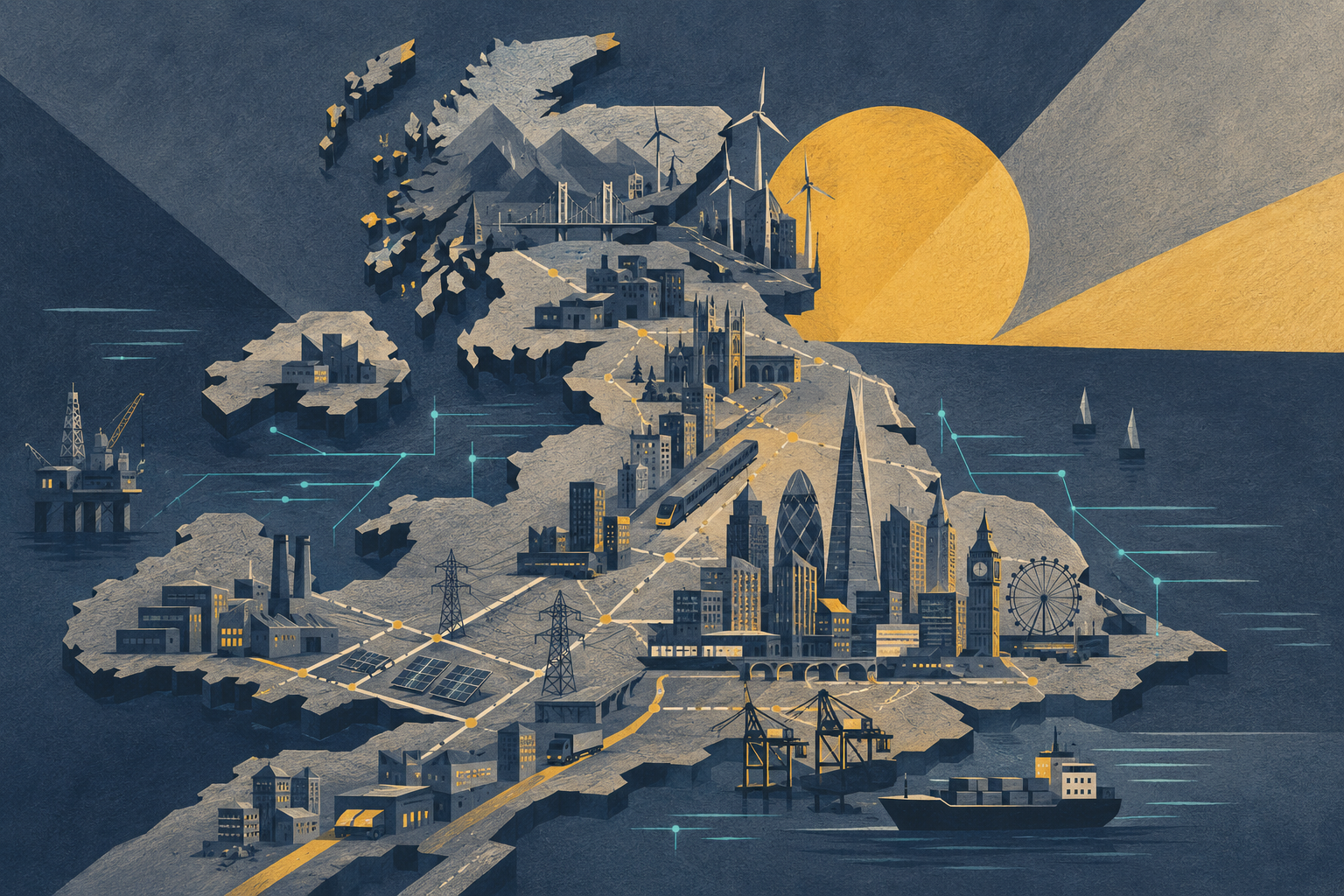
UK economic output grew by 0.4% during July this year. Services, production, and construction all expanded during the month, although the wider three-month picture remains heavily dependent on growth in services.
-

Andy Burnham will host major business leaders at Downing Street. Executives and entrepreneurs will discuss investment, infrastructure, innovation, and devolution as the government develops its growth programme ahead of major fiscal decisions.
-

A £210m fund will back South East growth businesses regionally. The British Business Bank programme offers loans from £25,000 to £2m and equity investments of up to £5m.
-
SThree has received a preliminary takeover approach from Circle8 Group. The possible offer remains highly conditional, with Circle8 facing a 7 October Takeover Code deadline.
-

McLaren plans £450m Woking investment creating around 1,000 UK jobs. The programme comes as new ownership reshapes the manufacturer’s product, engineering, and technology strategy.
-

Amazon has raised £4.25bn through its first sterling bond sale. Investor orders reached £10.65bn as hyperscale technology groups increasingly use global debt markets to finance AI infrastructure.