-
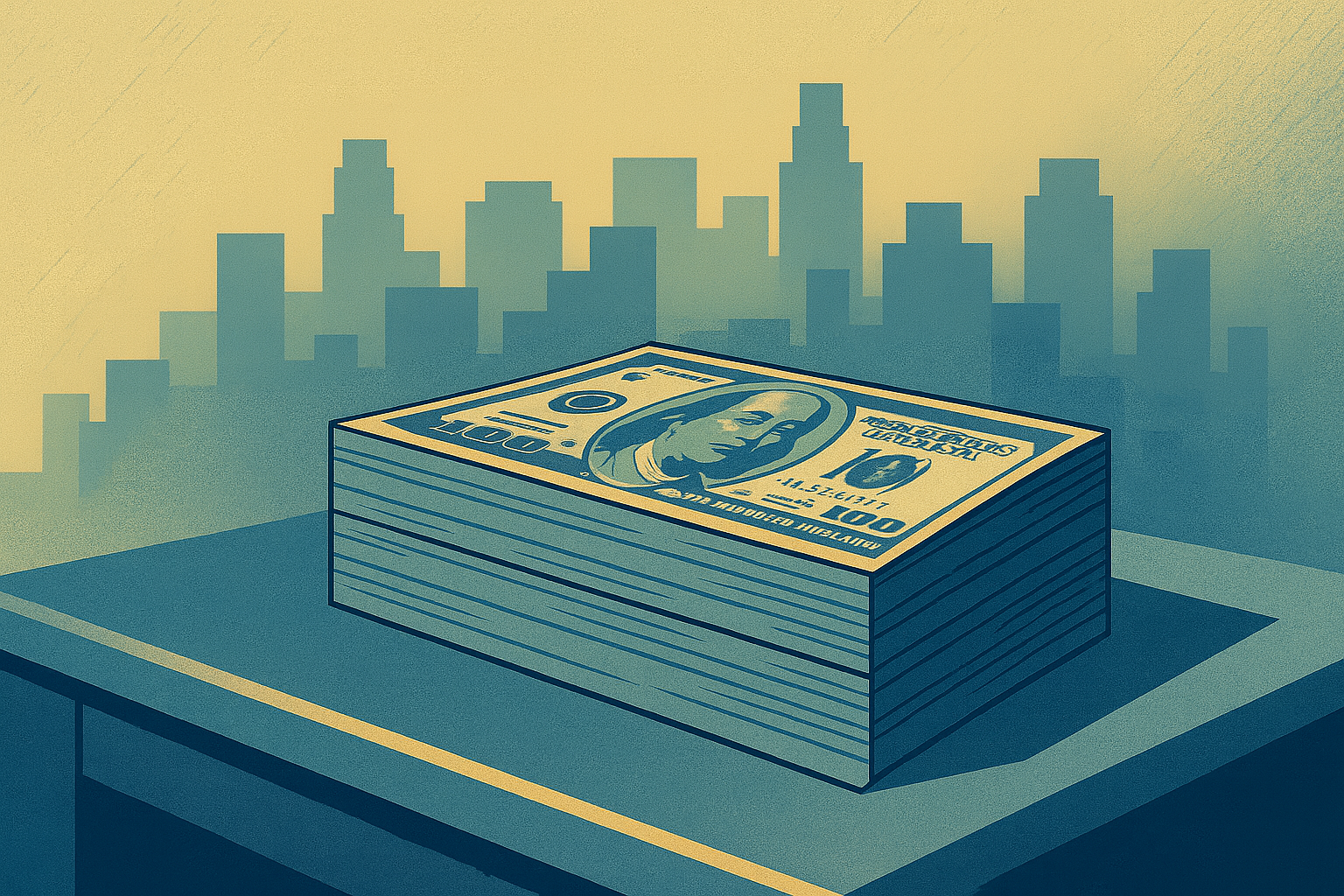
US budget deficit rises to $284bn in October. Treasury data shows the early fiscal shortfall driven by delayed receipts and higher interest payments following a temporary government shutdown.
-
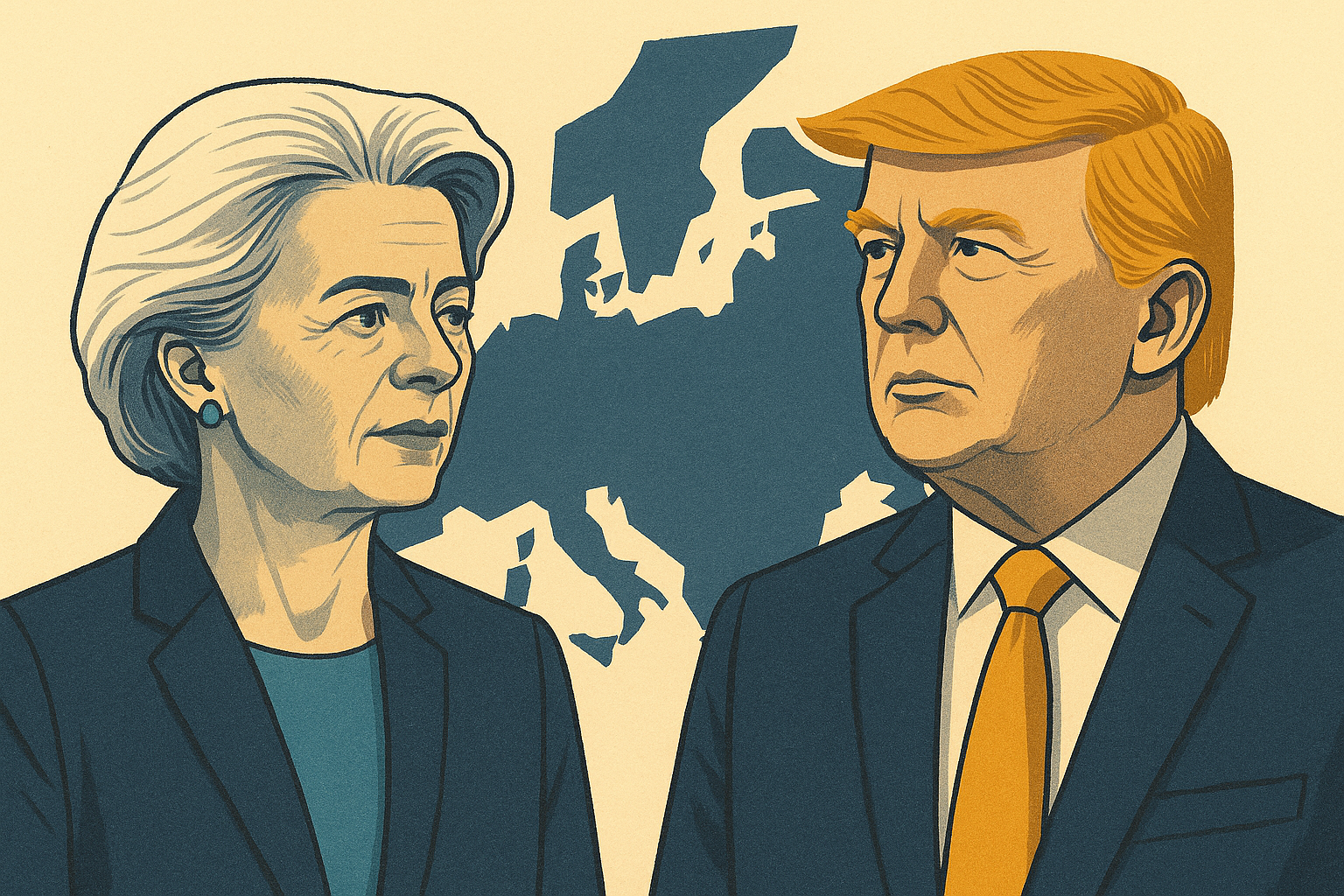
Brussels prepares to push Washington over stalled tariff reforms. The European Union will urge the United States to honour more of July’s trade agreement, including cutting 50 % tariffs on steel and aluminium imports, amid concern that delays are undermining post-pandemic industrial competitiveness and transatlantic supply-chain recovery.
-

Canada will restart trade discussions with the US when conditions align. Prime Minister Mark Carney said there is currently no pressing issue to raise with President Trump.
-
Scott Bessent dismisses US recession fears after shutdown. The US Treasury Secretary said the 43-day government closure caused an $11 billion loss but posed no broad economic risk, citing easing inflation, lower energy prices and planned tax cuts as supports for growth heading into 2026.
-

US employers added more jobs than expected in September. The 119,000 payroll gain came alongside a rise in unemployment to 4.4 percent, signalling a labour market that remains steady but not overheating. For the Federal Reserve, the figures strengthen the case for patience before adjusting interest rates.
-

Nvidia’s upbeat third-quarter ahead of US jobs data eases AI-valuation concerns. The company’s latest results offered a welcome reprieve for investors worried about overheating in the artificial intelligence sector, lifting global markets and restoring short-term confidence in the strength of the AI trade.
-
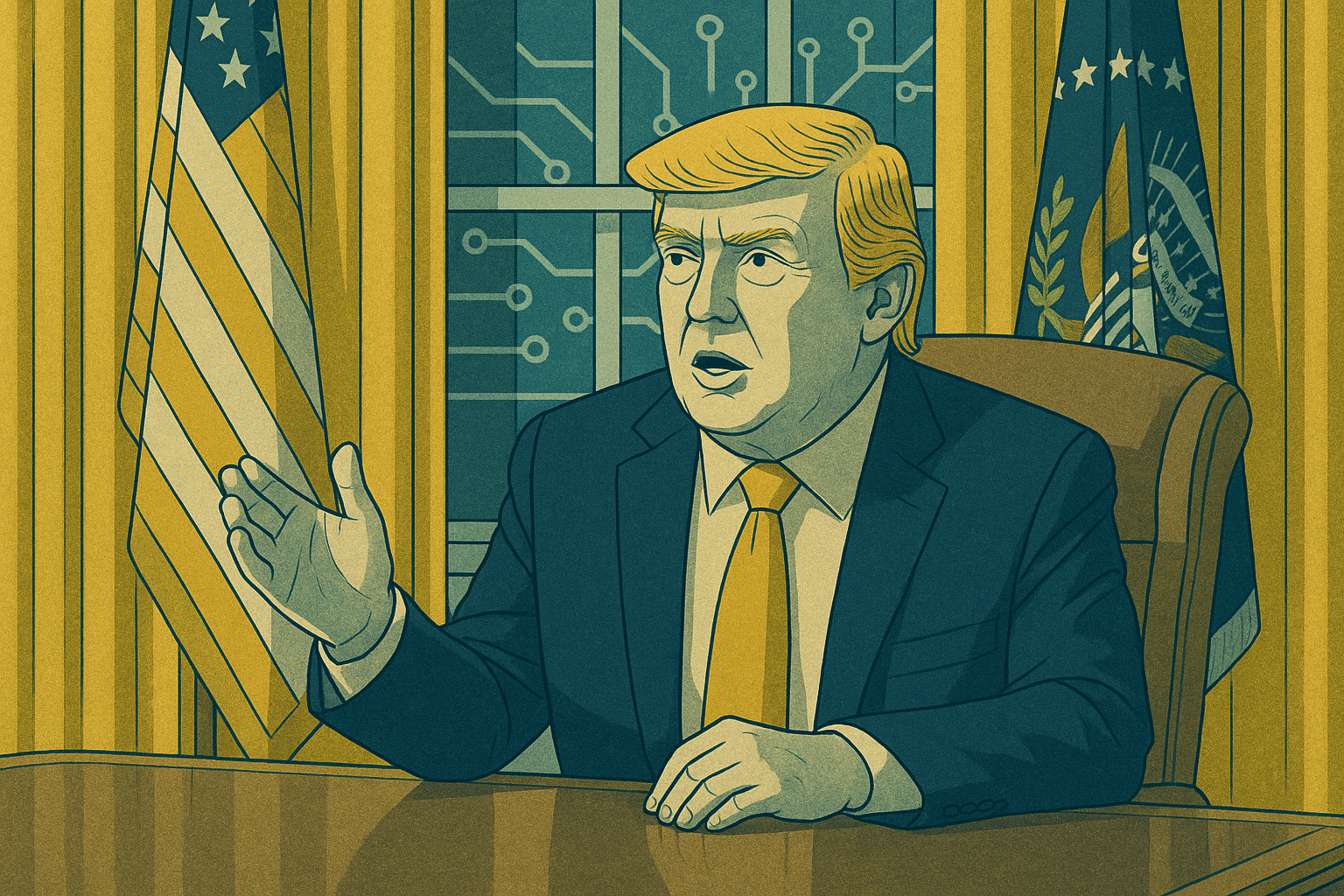
President insisted the US requires a single federal AI standard. He warned that competing state rules could stifle innovation and allow China to overtake the US in the global AI race.
-
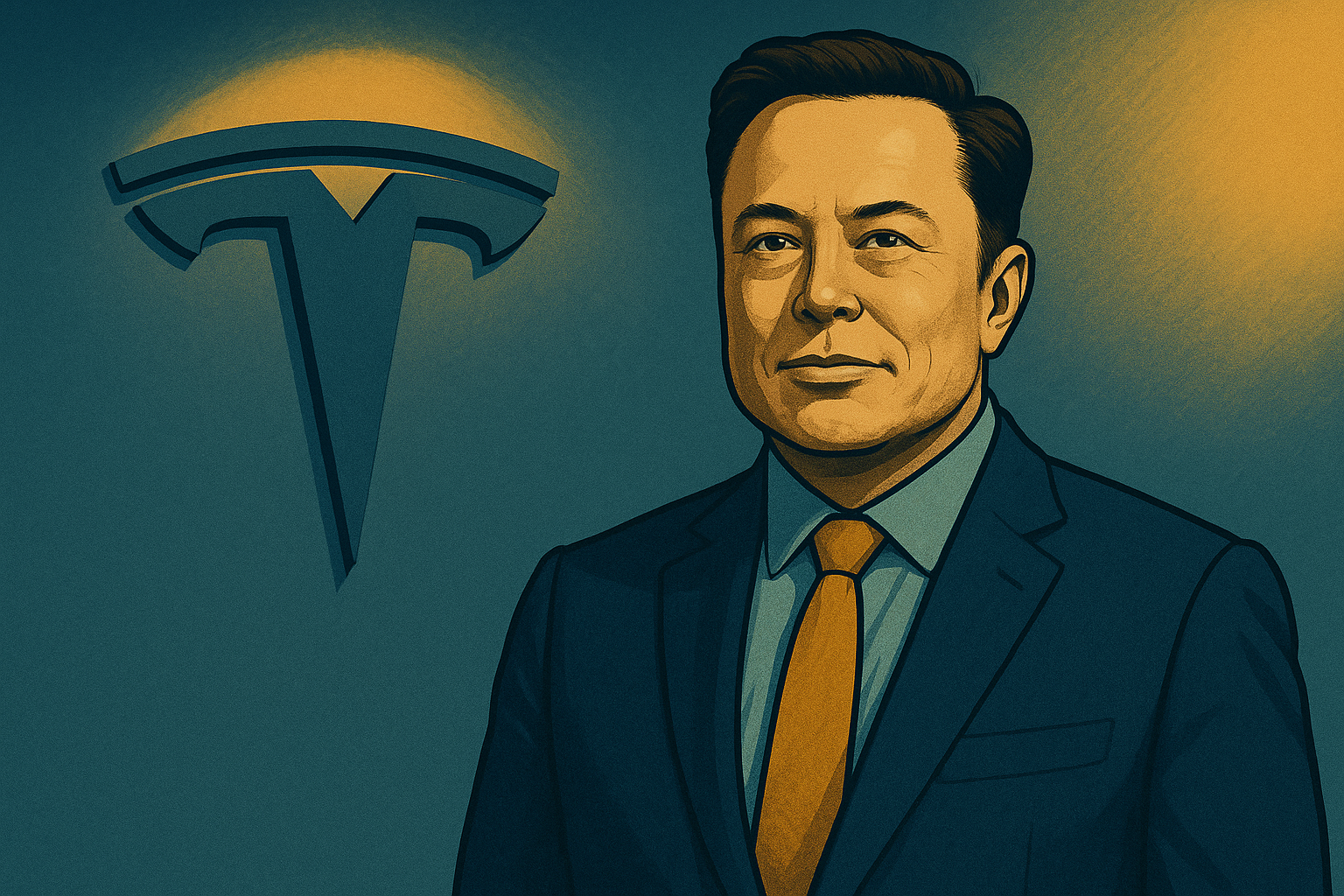
Tesla shareholders approved a record-breaking pay plan for Elon Musk. The $1 trillion performance-based package ties his reward to growth and valuation milestones through 2035, reviving a 2018 plan struck down by a Delaware court and underscoring investor faith in his leadership despite governance concerns.
-
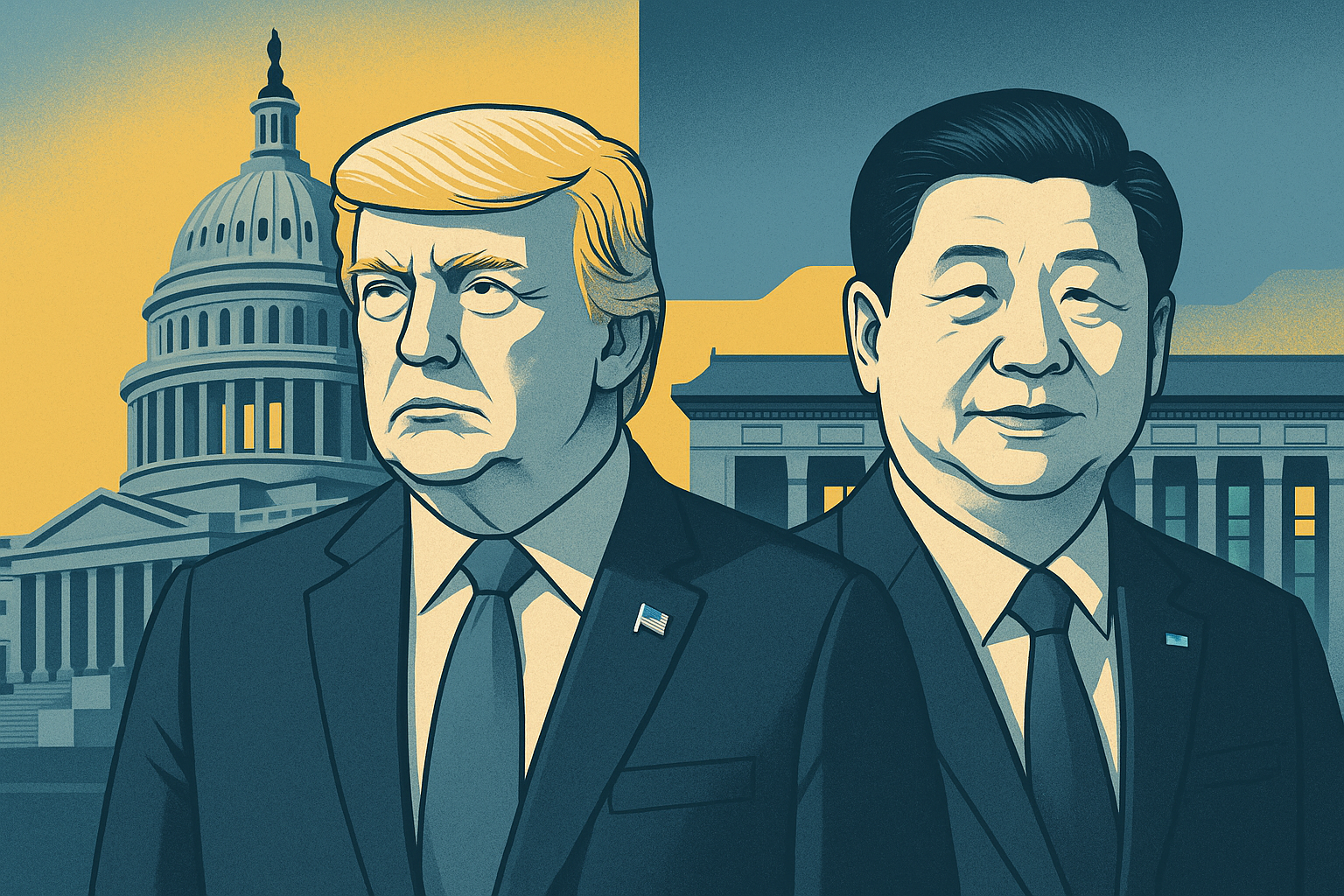
China’s October exports fell 1.1% as U.S. tariffs dampened demand. Japan faces its first contraction in six quarters, and Washington has moved to block Nvidia’s AI chip sales to China — three fronts of tightening pressure across Asia’s trade and technology corridors.
-
Trump announces new US–Uzbekistan trade and investment deal. The agreement, unveiled in Washington during a summit with Central Asian leaders, forms part of a wider US effort to deepen influence in the region’s critical industries and expand commercial links across energy, aviation, and technology.