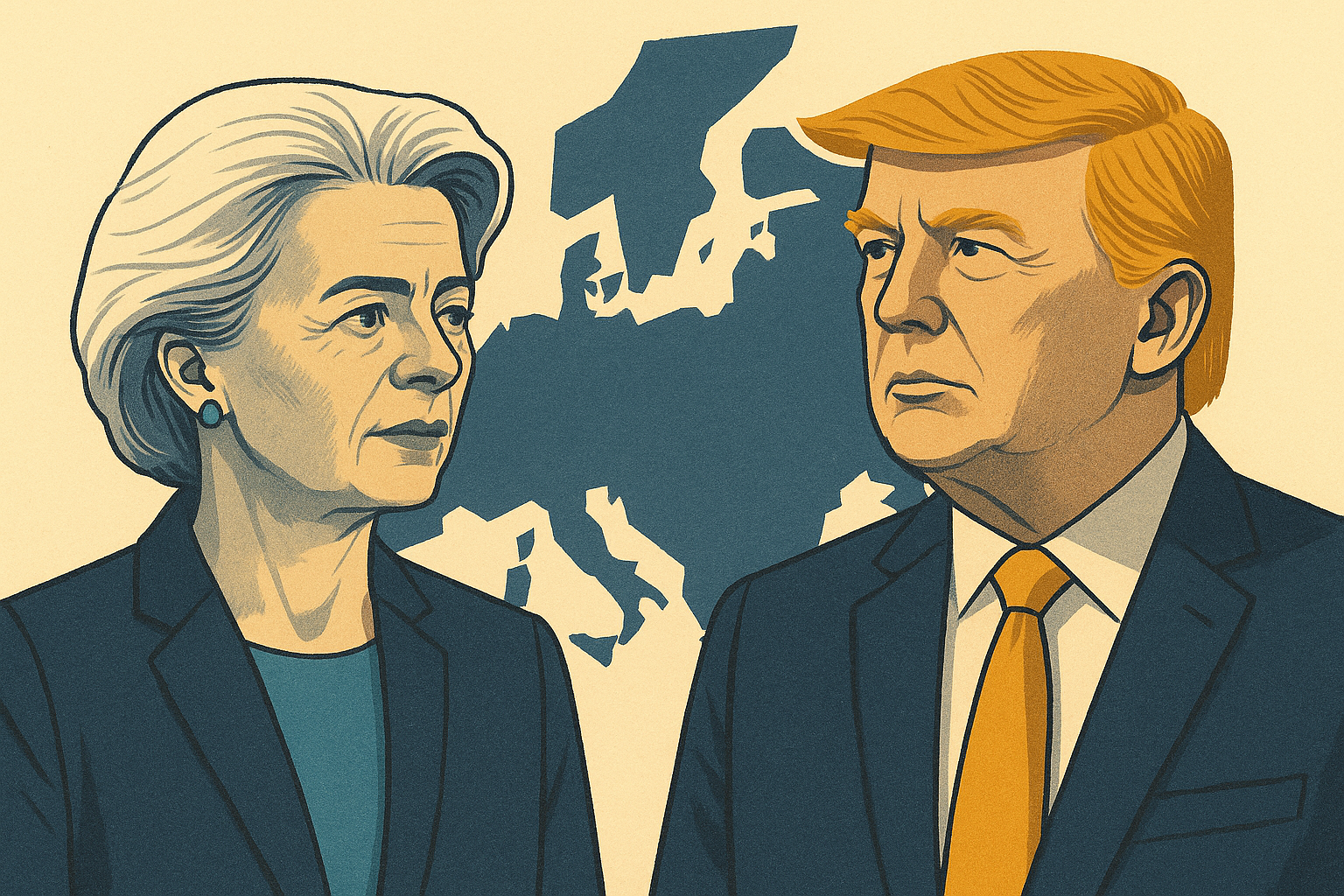
The EU is preparing to call on Washington to implement additional measures under the July 2025 trade accord, including a reduction in long-standing tariffs on European steel and aluminium.
Under the July deal, both sides pledged to roll back several tariffs imposed during earlier trade disputes and to restore freer access to key industrial goods. However, Brussels argues that the US has yet to fully apply the agreed tariff reductions, while maintaining a 50% duty on EU steel and aluminium imports — a rate the EU says distorts competition and weakens post-pandemic supply chains.
EU trade chief Valdis Dombrovskis is expected to press US Trade Representative Katherine Tai and Commerce Secretary Howard Lutnick for “tangible progress” on implementation. “We’ve made commitments that should deliver results for both economies,” Dombrovskis told reporters in Brussels, adding that the EU is seeking “a fair and reciprocal balance of benefits.”
The US administration, however, has signalled frustration at delays within the EU’s own ratification process, noting that several commitments from the July agreement still await parliamentary endorsement across the bloc. Washington’s position is that tariff relief must move in parallel, not unilaterally.
The transatlantic trade accord, struck in July after months of negotiation, was hailed as a reset in economic cooperation between the two major economies. Its core provisions aim to normalise tariff schedules, coordinate green-industry subsidies, and avoid regulatory divergence in strategic sectors such as clean energy and critical materials.
Yet for European manufacturers, particularly in steel, machinery, and renewable-equipment sectors, the continued application of 50% US tariffs on metals remains a drag on export recovery. Industry associations have warned that without movement from Washington, the EU could reconsider its own concessions on US-made vehicles, spirits, and agricultural products.
Analysts suggest that both sides are wary of reigniting tariff escalation as global manufacturing slows. “There’s little appetite for another trade dispute, but both economies are under pressure to show progress before 2026,” said one Brussels-based trade observer.
Business leaders across Europe will watch closely for signs of compromise. A phased reduction in US tariffs would likely boost export margins and help rebalance transatlantic industrial costs, while stalled talks could prolong uncertainty for investors navigating dual supply chains.
Next week’s Brussels meeting will test how much political capital both sides are willing to spend to keep the deal alive. For now, the gap between promises and practice remains wide — and every percentage point of tariff still matters to Europe’s industrial base.