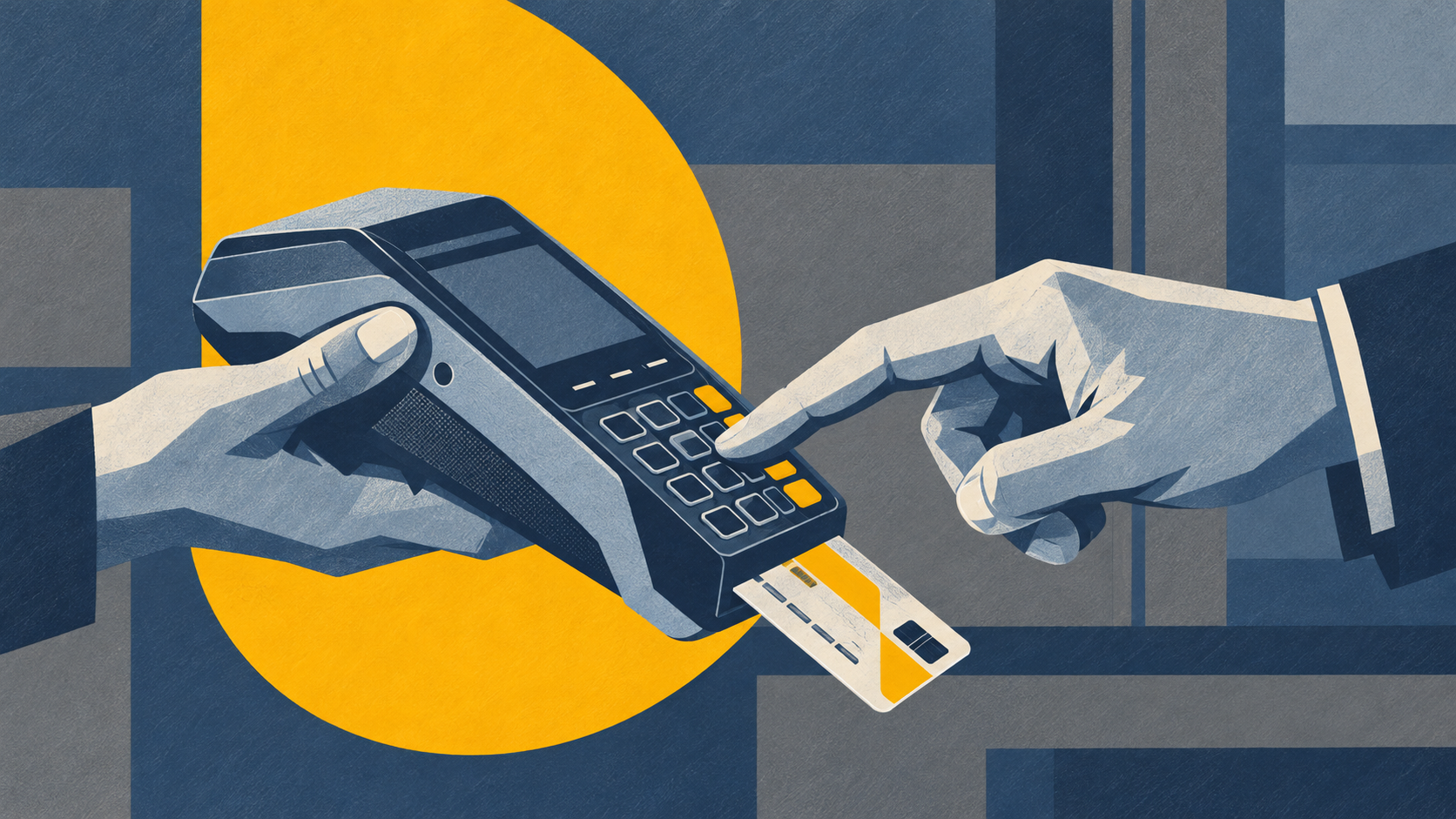
Ingenico has secured €150m of new capital as part of a restructuring intended to strengthen its balance sheet and increase investment in payment technology, cloud platforms, and customer support.
The payments company has agreed a reset of its capital structure backed by a PIMCO-led group of global investors. Ingenico said the transaction would provide greater financial flexibility while supporting product development under chief executive Floris de Kort.
Investment will focus partly on expanding the company’s payment acceptance technology beyond conventional hardware terminals, with greater emphasis on software, cloud-based device management, and integrated services.
Ingenico’s current product programme includes its AXIUM range of Android payment devices and Ingenico 360, a cloud platform combining device management, transaction services, applications, and analytics.
The company is also developing its developer programme, giving software businesses and commercial partners broader access to application programming interfaces, tools, and documentation.
Floris de Kort, chief executive of Ingenico, said: “This agreement gives Ingenico the ability to move faster on the priorities that matter most: building great products, simplifying payment operations and delivering for our customers and partners. With a strong balance sheet and new capital in place, we can execute better and invest in the areas that will define our next phase. We have the foundation, the priorities, and a team that knows how to deliver. I’ve never been more confident that Ingenico’s best years are ahead of us.”
Part of the investment will also support customer service, with new locations planned in London, San Francisco, and Istanbul and recruitment spanning account management, solutions engineering, and support.
Ingenico employs more than 3,000 people across 32 countries, with tens of millions of payment devices deployed in more than 120 markets.
The financing comes during a substantial change in payment acceptance. Card terminals remain widely used, but retailers increasingly expect checkout devices to operate as part of a broader software environment rather than as isolated pieces of banking equipment.
Android-based terminals can host commercial applications alongside payment functionality, while cloud management allows merchants and acquiring banks to configure devices, deploy software, and monitor estates remotely.
Software architecture has consequently become more important to the economics of payment infrastructure. Physical terminals can remain in service for years, so merchants increasingly favour devices that can support new operating systems, applications, and payment methods without requiring complete replacement.
Payment providers are also competing with fintech businesses that entered the market through software-first models. Those companies helped make rapid onboarding, real-time reporting, and integrated point-of-sale tools standard expectations among smaller merchants, while large retailers increasingly want consistent infrastructure across multiple countries and sales channels.
Ingenico’s large installed hardware base gives it scale, but maintaining that advantage requires additional software and services capable of keeping those devices relevant as merchant expectations change.
Recurring cloud and software revenue can deepen customer relationships, although it also brings continuing investment requirements. Cloud platforms require regular development, cybersecurity controls, technical support, and integration work across multiple jurisdictions.
Retailers are simultaneously broadening the range of payment methods they support. Cards now sit alongside mobile wallets, account-to-account transfers, and other digital options, while online and physical store systems increasingly need to share transaction and customer information.
Central management becomes more valuable as that complexity grows. A multinational retailer may operate thousands of payment devices and several acquiring relationships, making remote configuration, software deployment, and estate monitoring significant operational requirements.
The €150m financing gives Ingenico additional capacity to pursue those priorities after a period of substantial private investment and consolidation across payment technology.
Capital alone will not determine the outcome. The company will need to convert the reach of its hardware estate into wider adoption of cloud services and software while maintaining the reliability expected from payment infrastructure.
The planned expansion of account management, engineering, and support capacity indicates that service delivery will sit alongside product investment during the next phase. As merchants consolidate more payment functions into integrated platforms, technical support and implementation capability become increasingly important parts of the commercial relationship.
With the restructuring agreed, Ingenico has greater financial room to invest across those areas. Competition will remain intense as terminal manufacturers, software providers, acquiring banks, and fintech platforms increasingly compete for overlapping parts of the same merchant relationship.