Inditex has reported strong trading at the start of its autumn season but weaker-than-expected second-quarter profitability, as higher transport and input costs put pressure on the Zara owner’s margins.
Currency-adjusted sales rose 9% in August compared with the same period a year earlier, indicating resilient consumer demand despite unusually hot weather across parts of Europe.
The group’s second-quarter gross margin was 56.7%, below market expectations, while its shares fell following the results. Disruption in the Middle East increased transport and other input costs during the first half of the year.
The contrast between sales growth and margin pressure illustrates the operating challenge facing large international retailers. Revenue can remain resilient while freight, sourcing, energy, currency, labour, and logistics costs reduce the proportion of each sale converted into profit.
Inditex’s model has historically relied on relatively responsive supply chains, rapid inventory decisions, and frequent changes to product ranges. That flexibility can help the group adjust to changing demand, but it does not eliminate exposure to disruption in international freight routes.
Operations in the Middle East have also been affected by regional conflict, although the group’s franchise network has continued operating. All 480 franchise stores in the region were open at the time of the results.
Inditex continues to invest heavily despite the cost pressure. Capital expenditure is expected to total around €2.5bn this year as the company spends on stores, logistics, technology, and its broader commercial platform.
The retailer has reduced its overall store count from pre-pandemic levels while concentrating investment in larger and more productive locations. That strategy reflects a wider move among established retailers towards fewer flagship sites supported by stronger digital operations rather than expansion based primarily on store numbers.
The group is simultaneously expanding Lefties, its lower-priced format, into Britain and Germany. The brand gives Inditex a route into more price-sensitive parts of the market while household budgets remain under pressure.
Bershka, Stradivarius, Pull&Bear, and other concepts provide further diversification beyond Zara, allowing Inditex to serve different consumer segments while sharing elements of logistics, technology, sourcing, and property infrastructure.
Fashion retail remains exposed to several competing pressures. Consumers have access to very low-cost digital platforms, while established brands face higher expectations around delivery, returns, product freshness, sustainability, and store experience.
Online competitors have also accelerated the speed at which fashion trends can be brought to market. Established operators must invest in supply chain responsiveness and digital systems while protecting margins from the additional cost.
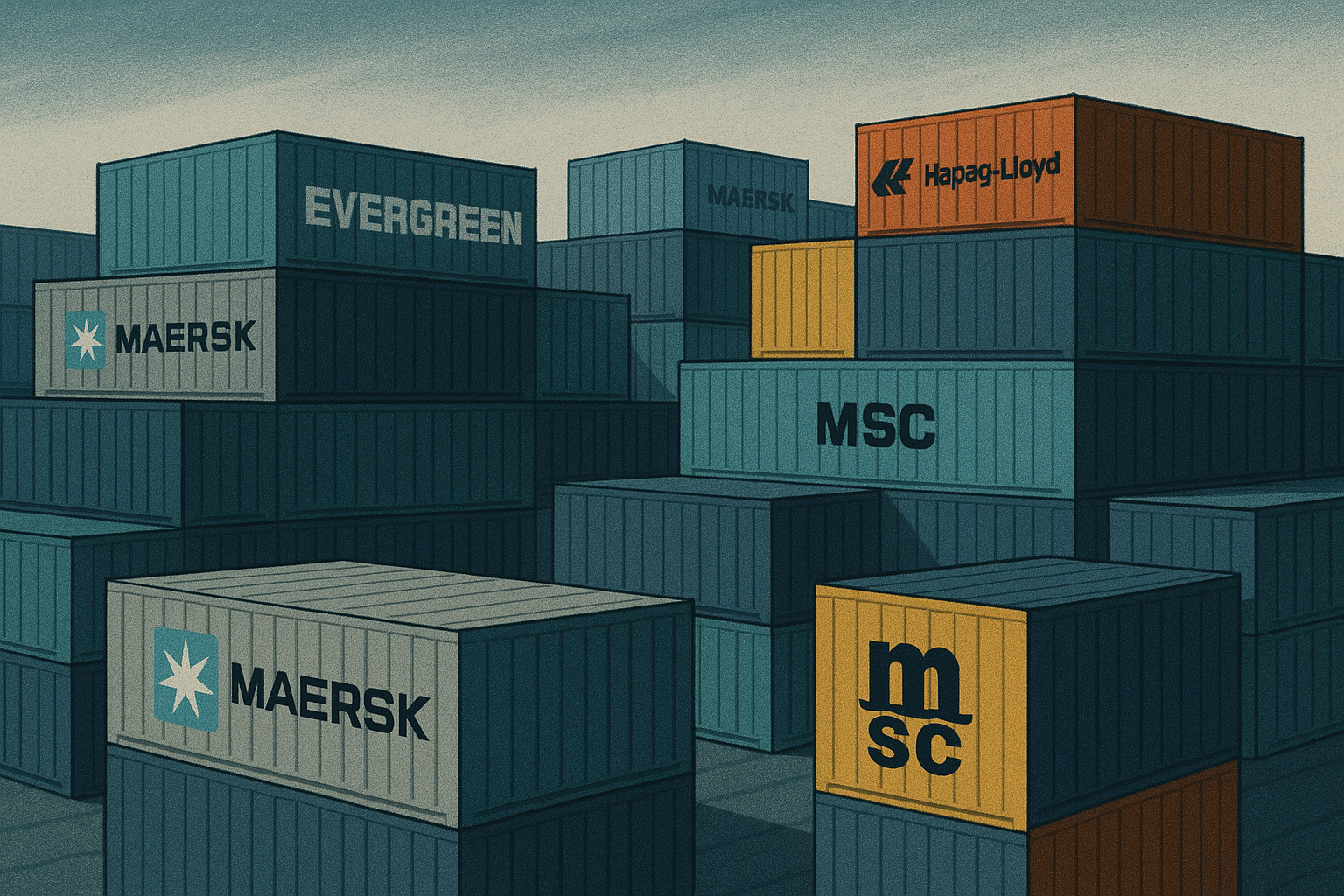
Geopolitical disruption adds a separate risk. Longer shipping routes and higher transport costs can feed rapidly into expenditure for businesses moving large volumes of seasonal inventory between continents.
Retailers must then decide whether to absorb higher costs, change sourcing patterns, adjust prices, or find savings elsewhere. Each response carries commercial consequences, particularly where customers can compare prices easily.
Inditex’s current sales momentum gives it more flexibility than retailers experiencing declining demand. The 9% increase in August trading suggests consumers continued to respond to new ranges despite the unusually warm European weather.
Small changes in margin nevertheless have substantial implications at the group’s scale. Strong sales growth does not translate automatically into equivalent earnings growth if transport, sourcing, or other operating expenses rise at the same time.
The €2.5bn investment programme indicates that Inditex is continuing to prioritise long-term capacity rather than responding to cost pressure with a broad retrenchment. Stores, logistics, technology, and supply chain execution remain central to its competitive model.
The remainder of the year will therefore be shaped by the balance between revenue momentum and cost control. August trading was strong, but the second-quarter margin result shows that geopolitical and supply chain pressures are reaching even one of Europe’s largest and most operationally sophisticated retailers.