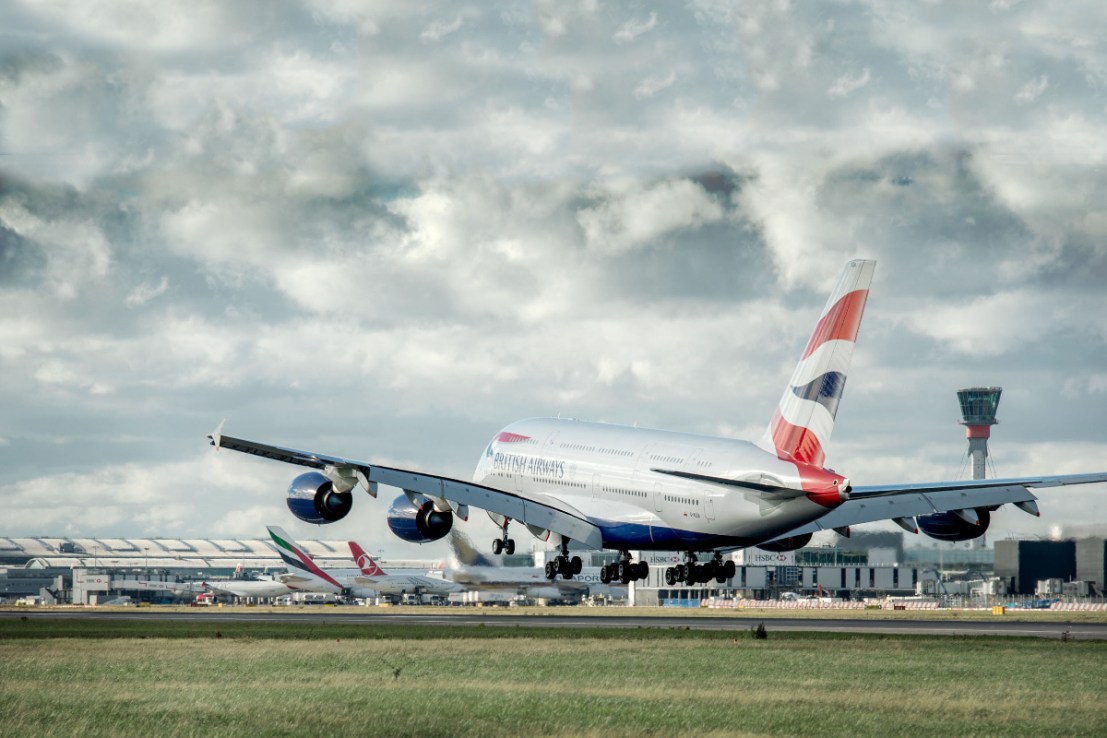
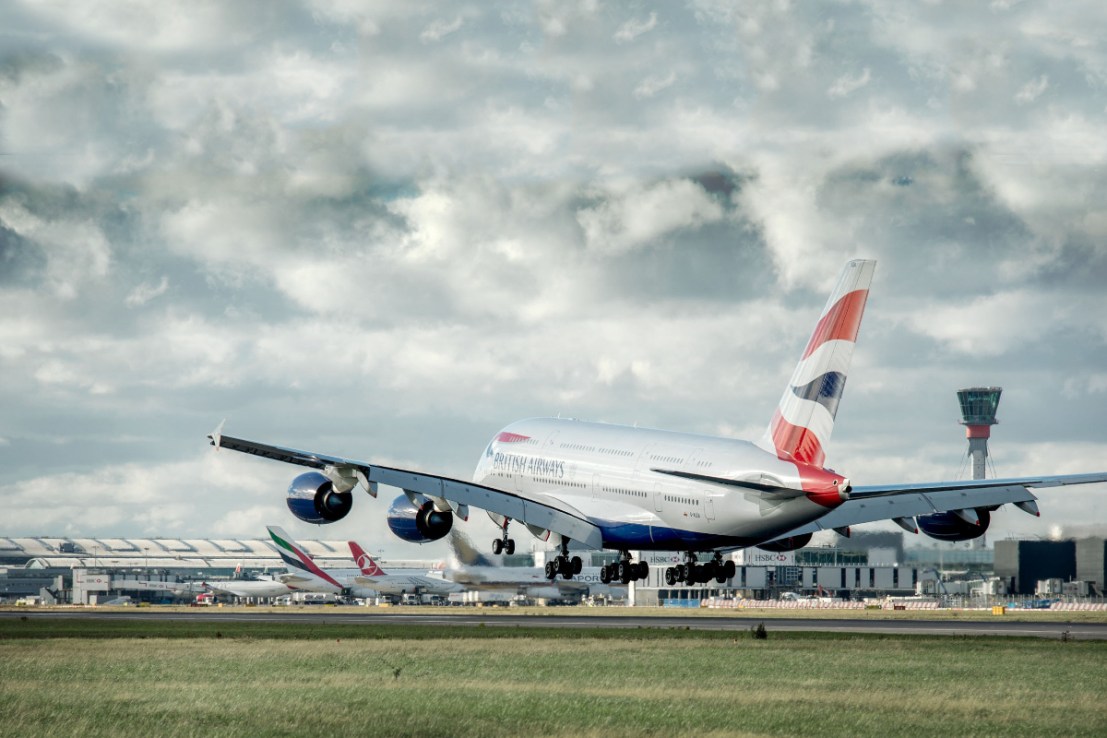
British Airways is showcasing encouraging results stemming from its substantial investment in artificial intelligence, with enhanced punctuality numbers indicating that the technology is starting to resolve ongoing issues related to disruptions, cancellations, and operational challenges.
Chief executive Sean Doyle characterized the initiative as “game changing,” highlighting a notable reduction in delays and flight cancellations. The airline, which has experienced significant challenges since the Covid-19 pandemic and a sequence of digital setbacks, asserts it has observed a clear improvement in its operational performance.
Internal data reveals that 86 percent of flights departed punctually from Heathrow Airport in the first quarter of 2025—marking British Airways’ best-ever performance. The UK flag carrier, part of the International Airlines Group (IAG), attributes this advancement to more sophisticated technologies now implemented at its main hub.
Third-party evaluations support this assertion to a certain extent. An analysis conducted by the Financial Times utilizing data from the Civil Aviation Authority (CAA) discovered that the airline encountered fewer severe delays at Heathrow in the past year compared to competitors like Virgin Atlantic and Lufthansa, although extended delays still exceed pre-pandemic levels.
British Airways’ operational challenges have been thoroughly chronicled. The airline has faced a series of notable IT failures—in 2017, 2019, and most recently in 2022—that disrupted countless flights and diminished consumer trust. Critics have highlighted outdated infrastructure at Heathrow and insufficient investment in digital capabilities as ongoing obstacles.
The situation worsened in the wake of Covid-19. As the aviation industry raced to rebound from the plunge in demand during the pandemic, British Airways confronted an especially formidable challenge. By the summer of 2023, delays and cancellations had more than doubled relative to 2019 figures, according to airline industry statistics.
In reaction, the company has initiated a £100 million investment aimed at bolstering its operational resilience. This plan includes the recruitment of 600 new staff members at Heathrow and the upgrading of aging IT systems to provide more agile and predictive tools. These improvements encompass AI-driven software that aids in real-time decision-making during disruptions: from rerouting flights to steer clear of adverse weather, to assessing whether delays or cancellations will minimally impact customers, and even directing aircraft to more efficient gates.
These AI innovations signify the airline’s most substantial digital transformation in years. This initiative is part of a broader modernization strategy supported by IAG, which is committing £7 billion into British Airways over the next several years. This initiative aims not only to enhance reliability but also to refurbish aircraft interiors, improve customer services, and restore BA’s standing as a leading long-haul operator worldwide.
IAG chief executive Luis Gallego provided a straightforward summary of the group’s motivations last year, remarking that BA “can do much better”—a sentiment echoed by numerous industry analysts. Many now perceive the financial infusion as an implicit recognition that British Airways had allowed itself to lag behind its competitors.
Aviation industry consultant John Strickland of JLS Consulting remarked: “They had to turn it around. All airlines faced difficulties emerging from Covid, but BA was genuinely struggling. They’re showing progress now, but the true test will come during the peak summer period, when operational demands reach their highest.”
Nonetheless, external factors continue to challenge the airline. From Europe-wide air traffic control disruptions to problems with vital suppliers like Rolls-Royce—whose engine and parts delays have impacted BA’s Boeing 787 fleet—the carrier still encounters potential hurdles to clear.
Nevertheless, this quarter’s statistics provide a rare glimmer of hope for the company, which has more recently been linked with news stories about cancellations, strikes, and service issues. With summer approaching, all attention will now be focused on whether British Airways’ digital enhancements can withstand the busiest and most challenging period in the airline’s calendar.
For additional details on British Airways’ £7 billion modernization—including new first-class cabins and complimentary in-flight messaging—refer to City A.M.’s earlier report [here](https://www.cityam.com/british-airways-chief-unveils-7bn-modernisation-with-free-in-flight-whatsapp-new-seats-and-glitzy-first-class/).