
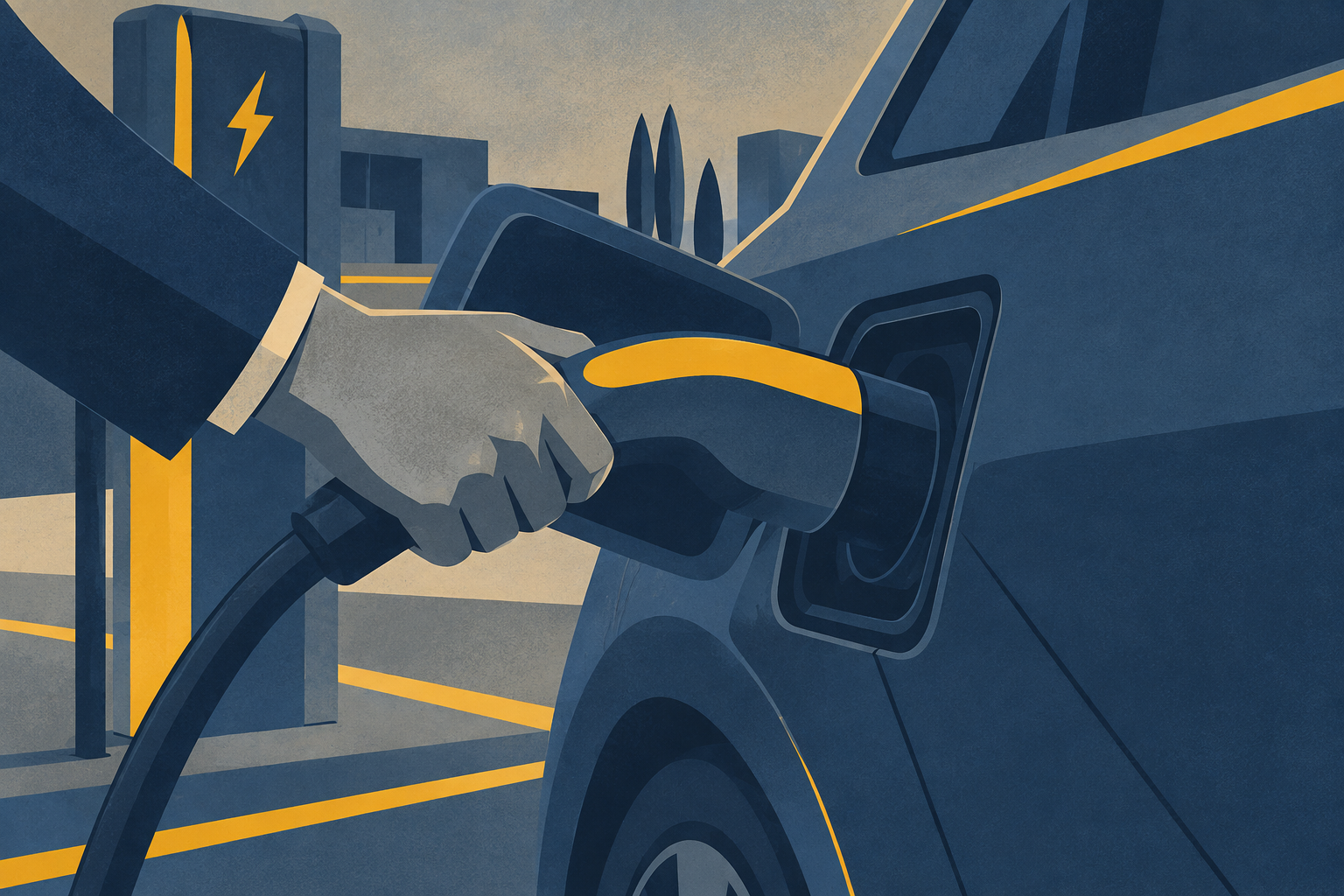
Britain is considering tariffs on Chinese electric vehicle imports as ministers reassess the country’s position between rapidly growing Chinese manufacturers and an increasingly protective European market.
The Department for Business and Trade has not announced a tariff regime, and any measure remains under consideration. Ministers are consulting industry as they examine how Britain’s commercial interests should be protected while Chinese brands increase their share of the European electric vehicle market.
European Union duties already apply to some Chinese electric vehicle imports following an investigation into subsidies, with the highest combined rates reaching around 45%. Brussels concluded that state support was giving manufacturers an advantage that risked damaging European producers during the transition from combustion engines to electric vehicles.
Britain has so far taken a different approach, but that position is becoming harder to isolate from wider UK-EU economic policy. British vehicle manufacturers depend heavily on European customers and supply chains, while the government is seeking closer alignment with Brussels across several areas of trade and industrial policy.
A substantial difference between UK and EU treatment of Chinese imports could raise concerns that vehicles or components might enter European supply chains through Britain on terms unavailable to producers inside the bloc. At the same time, adopting similar tariffs could increase costs for British consumers and complicate commercial relations with China.
The choice also affects investment. Chinese manufacturers have been exploring production opportunities across Europe as tariffs and local content requirements change the economics of exporting finished vehicles from China. Trade policy can therefore influence where future plants, supplier contracts and jobs are located rather than simply altering the price paid at the border.
Domestic manufacturers face their own pressures as they spend heavily on electric vehicle production while competing with lower cost entrants. Protecting them through trade measures could create breathing room for investment, but persistent protection also risks weakening price competition in a market where affordability remains one of the main barriers to faster electric vehicle adoption.
Any UK action would require its own legal and evidential basis under Britain’s post-Brexit trade regime rather than simply reproducing an EU decision. Ministers would need to demonstrate that subsidies or other trading practices had caused, or threatened to cause, material harm before formal trade defence measures could be justified.
The discussion therefore combines manufacturing policy, consumer prices, relations with China and the government’s attempt to improve access to European markets. Electric vehicles have become a particularly difficult test because the sector sits at the intersection of climate policy, industrial strategy and international competition.
No timetable has been confirmed for a decision, so companies should treat tariffs as an option under active consideration rather than settled policy. The direction of travel nevertheless suggests that Britain’s approach to Chinese industrial competition is becoming more closely tied to the wider European debate over subsidies and strategic manufacturing.


You must be logged in to post a comment.