The United States and China have reached a framework agreement that could allow TikTok to continue operating in the American market under new ownership.
Officials from both countries concluded talks in Madrid this week, agreeing that a group of US-led investors will assume majority control of TikTok’s American business. The deal, still subject to further negotiation, extends ByteDance’s deadline to divest by 90 days, pushing the cut-off to December 16.
Under the terms outlined, US investors are expected to acquire around 80 per cent of TikTok’s US operations. ByteDance, the app’s Chinese parent, would retain a non-controlling stake of just under 20 per cent. The restructured entity would be overseen by a US-dominated board, with reports suggesting Washington may secure an observer or appointed seat.
The agreement marks a significant shift in a dispute that has stretched across two administrations. President Donald Trump has threatened to ban TikTok outright, citing national security risks, unless its US business is separated from Beijing’s influence. Chinese officials, meanwhile, have characterised the framework as a “win-win” solution, though they insist that any transfer of technology, including TikTok’s recommendation algorithm, will require regulatory review in Beijing.
Security concerns remain at the heart of the debate. US lawmakers have long argued that ByteDance’s ownership exposes American users to potential data access by Chinese authorities. The framework does not yet spell out whether the algorithm will be fully transferred or licensed back from ByteDance, nor how user data will be segregated and monitored under the new arrangement.
The deal also faces political hurdles at home. Congress is likely to scrutinise any proposal that leaves ByteDance with a stake, however limited, and will seek guarantees over data security. Critics have already warned that licensing arrangements could undermine the purpose of the divestment.
Investors are circling as the process unfolds. Oracle and Silver Lake have been floated as possible participants in the acquisition consortium, although details remain unconfirmed. The eventual buyer group will be tasked with steering TikTok’s US operations at a time of rapid growth in advertising revenue and intensifying competition from Meta and YouTube.
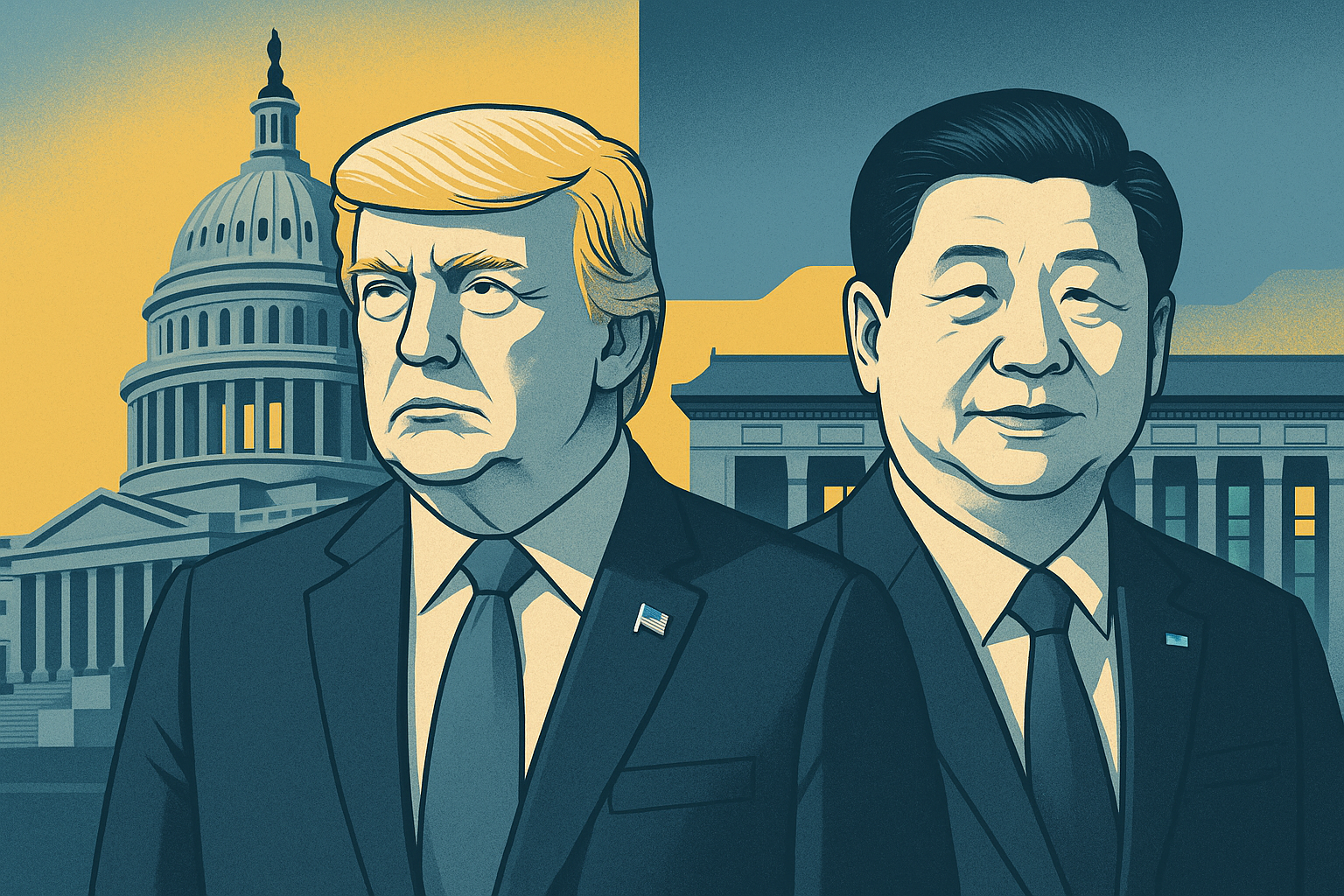
The negotiations come against the backdrop of wider US–China trade tensions. The White House has indicated that President Trump and President Xi Jinping are expected to speak directly in the coming days to confirm the framework, underscoring the political weight behind the talks.
For TikTok’s 170 million US users, the agreement offers temporary relief from the threat of a ban that could have seen the app pulled from app stores before year-end. But with the deadline now extended, and critical issues such as technology transfer unresolved, uncertainty remains over the platform’s long-term future in America.