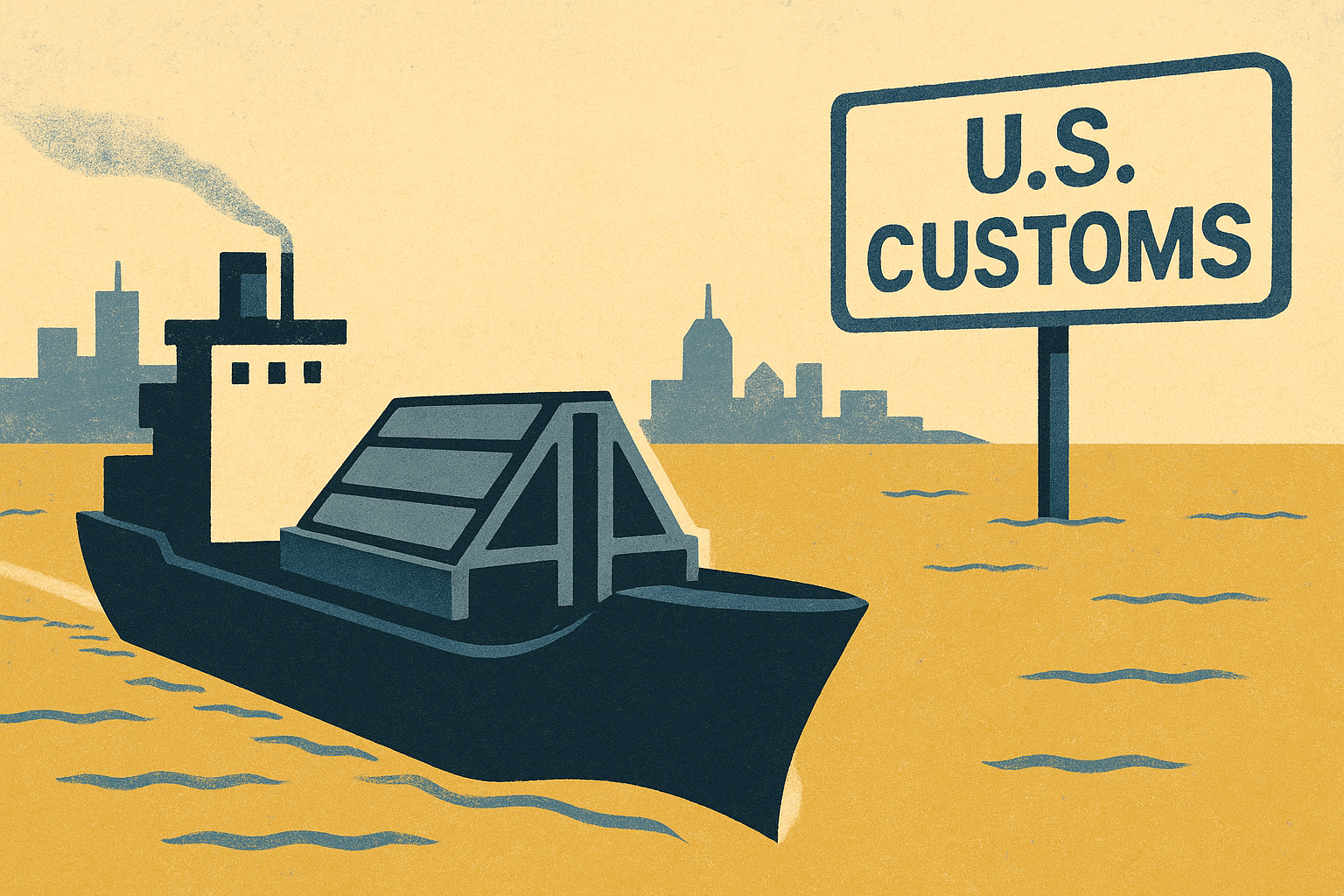
Britain’s steel industry is preparing for heightened trade tensions following the announcement by the United States to increase import tariffs on UK steel to 50% from Wednesday. This sharp rise comes despite a recent agreement intended to remove such duties.
Initially, a 25% tariff was imposed by President Trump on foreign steel, effective from 12 March this year. Although the UK Prime Minister announced a breakthrough on 8 May regarding a deal to eliminate the tariff, the agreement remains unfinalised, placing UK steel exports in a state of uncertainty.
UK Steel, the industry’s trade association, cautions that without immediate clarity, UK steelmakers exporting to the US will face substantial taxes imminently. The US stands as Britain’s second-largest export market for steel, valued at roughly £400 million annually, representing 9% of total UK steel exports by value.
Gareth Stace, Director-General of UK Steel, characterised the tariff increase as a significant setback for an industry already burdened by global price instability and escalating production costs. He expressed concern that orders might be cancelled, affecting shipments currently en route to America.
Stace highlighted the confusion stemming from the tariff hike and the delayed resolution between the UK and US governments. He questioned when or if the lucrative US market would be accessible again for UK exporters.
This 50% tariff is part of a broader pattern of US protectionism under President Trump, who has enacted extensive duties on steel, aluminium, and additional imports from trade surplus countries. Although a temporary 90-day suspension on reciprocal tariffs was announced earlier, the UK finds itself caught in a regulatory void as officials rush to finalise the UK-US agreement.
Stace called for decisive action from the UK government to finalise the deal before the tariff increase takes effect. He stressed that UK steelmakers should not incur costs due to the US tariff rise, emphasising the importance of continuing to supply steel valued by US customers.
Industry leaders worry that without the prompt ratification of the agreement, UK producers face the risk of losing contracts, diminishing market share, and enduring harm to trade relations with US clients.
The Department for Business and Trade has yet to respond to these latest developments.
Read more: [UK steel industry faces fresh crisis as US tariff jumps to 50%](https://bmmagazine.co.uk/news/uk-steel-industry-faces-fresh-crisis-as-us-tariff-jumps-to-50/)