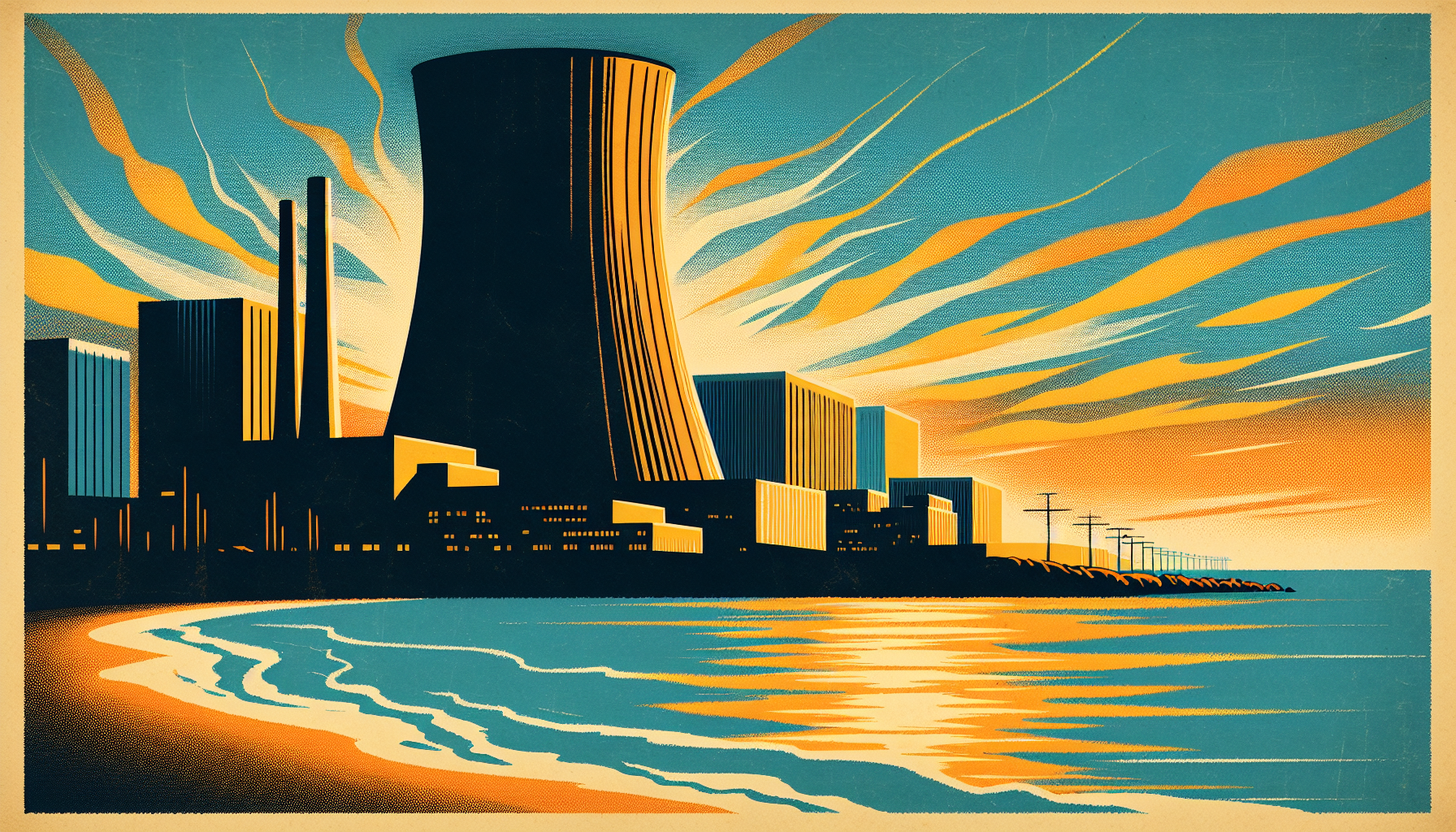
The UK government has announced a £14.2 billion investment into the Sizewell C nuclear power plant located on the Suffolk coast. This move is part of a comprehensive strategy aimed at enhancing energy security and reducing household energy bills, although tangible benefits are not expected until the next decade. Prime Minister Sir Keir Starmer described the initiative as essential for achieving energy independence and shielding the UK from future global energy crises, stating: “We’re not writing a blank cheque, but this investment gives us control over our energy and protection from volatile international markets.”
This investment is a component of the government’s broader agenda to stimulate growth, attract further financial commitments, and solidify the UK’s position as a leader in clean energy. The funding aims to draw additional private investment and revive momentum for a project that has been deliberated for over ten years. Yet the initiative, endorsed by state-owned French company EDF, faces substantial criticism regarding its cost, timeline, and environmental impact.
Although the government assures that the project will “bring down bills for millions,” Energy Secretary Ed Miliband acknowledged that power generation from the Sizewell C plant is not anticipated before the mid-2030s, delaying any financial savings for households for at least another decade. The announced £14.2 billion, which includes £2.7 billion from the Autumn Budget, covers just the first five years of development, with overall costs speculated to be anywhere from £20 billion to £40 billion. This financial opacity has sparked concerns over investor confidence and the true fiscal burden.
Sizewell C is projected to generate 10,000 construction jobs and 900 permanent positions once operational. When complete, the plant will supply electricity to approximately six million homes and is expected to operate for up to 60 years. Trade unions have welcomed the news, with GMB general secretary Warren Kenny remarking on the provision of “thousands of good, skilled, unionised jobs,” and Prospect’s Mike Clancy emphasising its role in achieving net zero targets by providing clean, stable energy to supplement variable renewables like wind and solar.
Prime Minister Starmer also underscored the significance of national security, asserting that energy independence is critical in curtailing influence from authoritarian regimes: “No more boots on our throat from authoritarian regimes like Putin’s.”
The response among local residents is divided. Some, such as trainee paramedic Chris Matthews from Leiston, appreciate the anticipated economic boost: “We’ve lived with Sizewell A and B. This will bring jobs and prosperity, and we need energy independence.” Contrarily, environmental concerns prevail among others, with Jenny Kirtley from Together Against Sizewell C expressing distress over changes to the landscape. Farmer David Grant criticised the financial strategy, highlighting EDF’s previous delays and budget overruns with Hinkley Point.
Despite EDF refuting a £40 billion cost estimate as inaccurate, the financial and environmental questions remain substantial obstacles. The decision on the funding model for Sizewell C is expected later this summer as construction efforts continue, even as the long-term affordability and feasibility are scrutinised.
In the context of the government’s ambitions, the project is intended to contribute to both social and affordable housing initiatives, although this linkage emphasises the pressure on Labour to deliver immediate results amid fiscal challenges. The government’s commitment to nuclear energy is further evidenced by Rolls-Royce securing a £2.5 billion contract to develop advanced nuclear reactors, indicative of a national strategic shift towards nuclear power.
For British households currently contending with elevated energy costs, the promise of reduced expenses remains an optimistic prospect. As it stands, Sizewell C represents a forward-looking investment, with hopes pinned on its eventual successes.
[Read more about the Sizewell C investment and its implications here.](https://bmmagazine.co.uk/news/sizewell-c-secures-14-2bn-state-boost-but-energy-savings-wont-come-for-a-decade/)