Businesses using several artificial intelligence providers may remain vulnerable to simultaneous failures because apparently independent systems often share infrastructure, data, and decision-making characteristics, according to research from Zurich Insurance Group and the University of St. Gallen.
The report identifies two mechanisms through which AI-related problems could spread across organisations: concentration risk, arising from dependence on common technology providers, and correlation risk, where different systems respond or fail in similar ways.
The findings challenge the assumption that using multiple AI suppliers necessarily provides effective protection against technology failures.
Zurich Insurance Group and the University of St. Gallen published The AI Resilience Challenge on 23 November, drawing on 50 expert interviews conducted between July and September 2026.
The interviews included 36 Zurich executives and 14 external specialists, with expertise covering insurance, technology, cybersecurity, legal matters, and operational resilience.
The study examines emerging vulnerabilities rather than measuring the frequency or financial consequences of systemic AI failures. Its conclusions therefore identify potential exposures and considerations for risk management, not established forecasts of losses.
Different suppliers, shared dependencies —
Businesses commonly seek to reduce technology concentration risk by distributing services across several providers.
That approach can protect against some failures involving an individual supplier. However, separate AI applications may depend on the same underlying models, cloud infrastructure, or technical services.
An interruption affecting one of those common components could therefore disrupt organisations that appear to have diversified their AI arrangements.
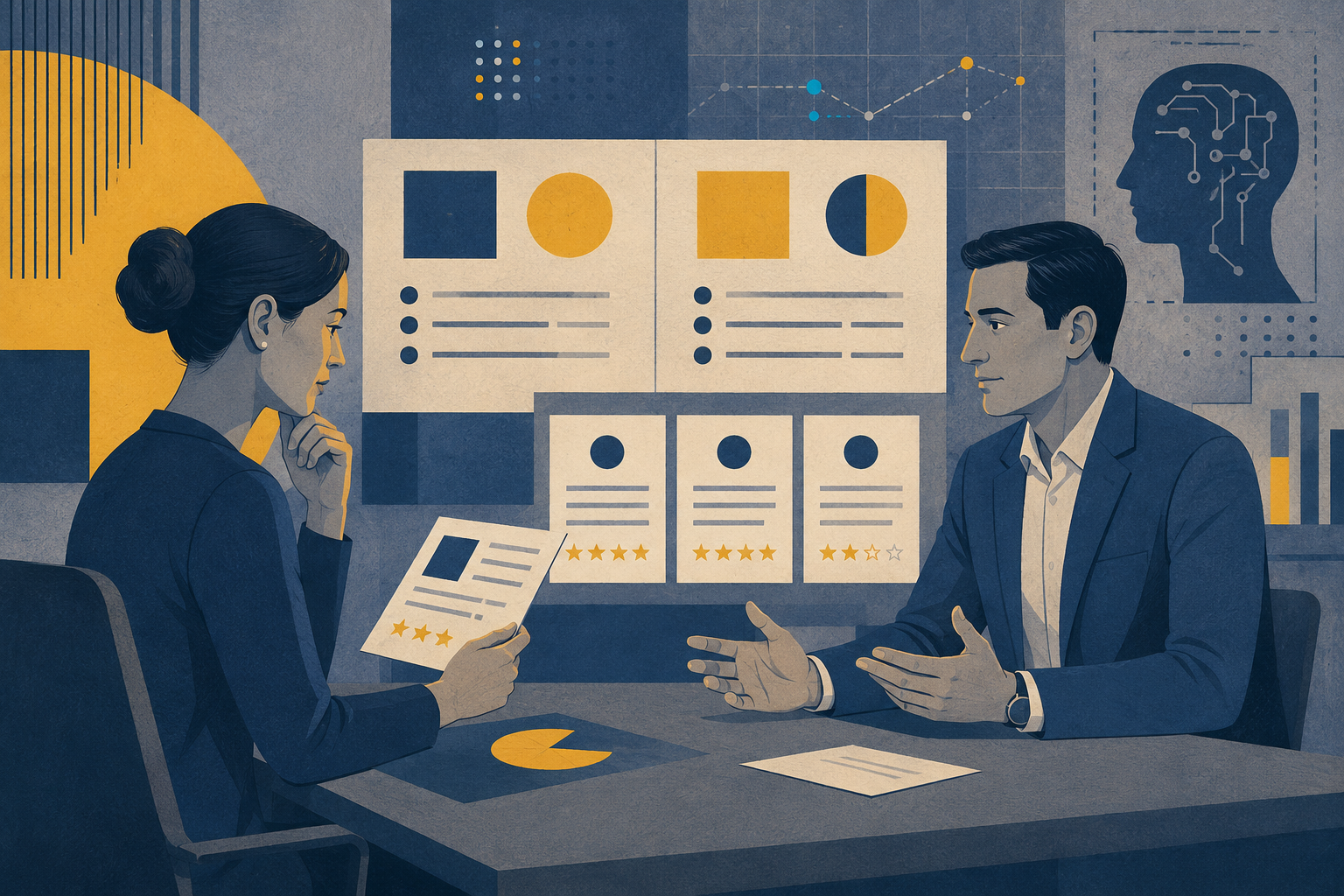
Correlation risk presents a different challenge. Systems may remain operational but produce similar inappropriate decisions because they rely on comparable training information, assumptions, or decision logic.
Two organisations using different AI products could consequently encounter similar errors without a shared supplier experiencing an outage.
The distinction is particularly relevant where AI supports financial analysis, risk assessments, operational planning, or other activities that influence commercial decisions.
Risk management arrangements based solely on the number of software providers may overlook these less visible relationships between systems.
Automation changes the consequences of errors —
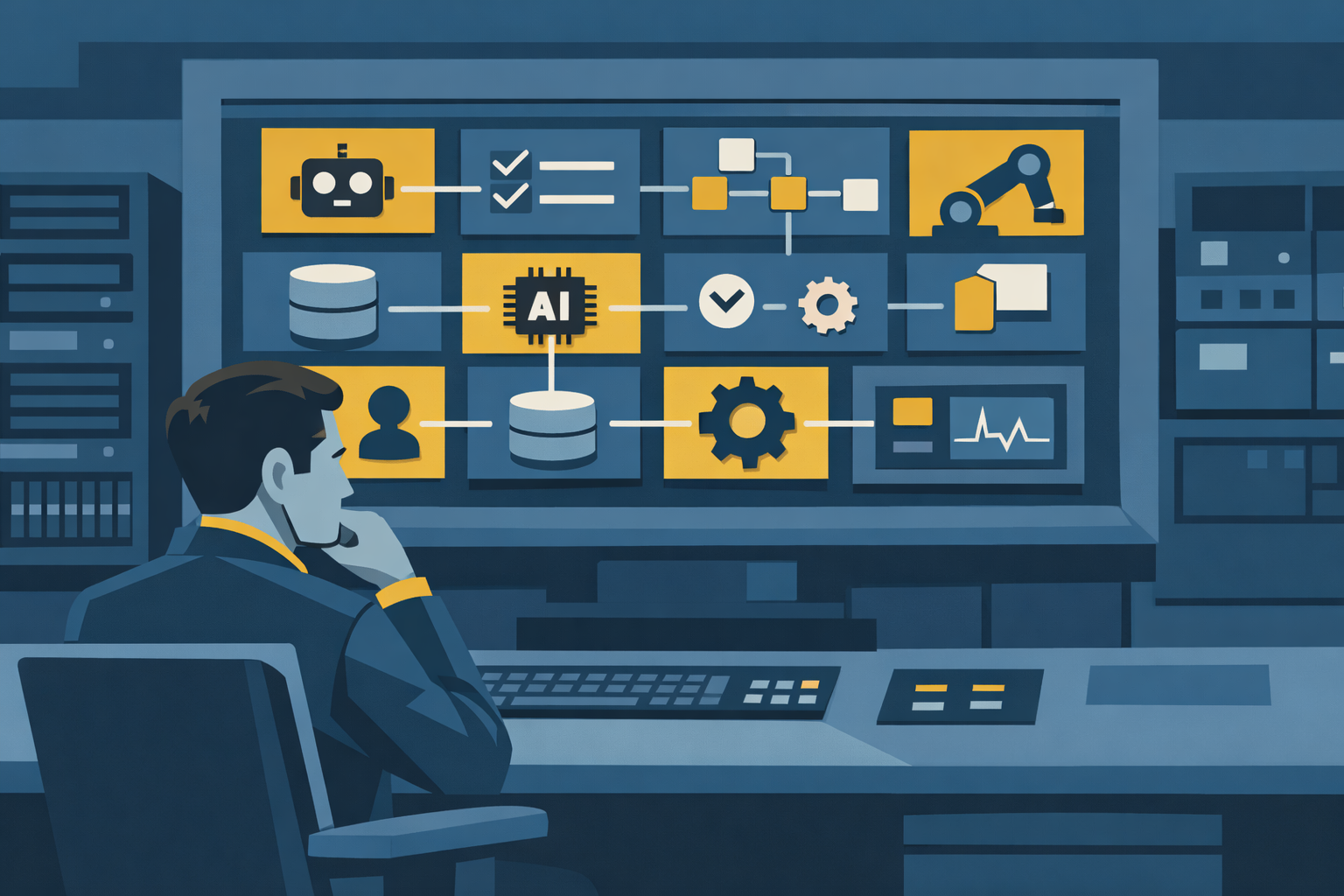
The report also examines the growing use of AI agents capable of undertaking activities without direct human approval at every stage.
There is an important operational difference between a system generating information for review and one authorised to initiate transactions or alter business records.
When an automated system acts on incorrect information, the consequences may extend beyond a misleading recommendation.
Organisations therefore need to understand which decisions are automated, what information the systems use, and the controls governing actions taken without immediate human intervention.
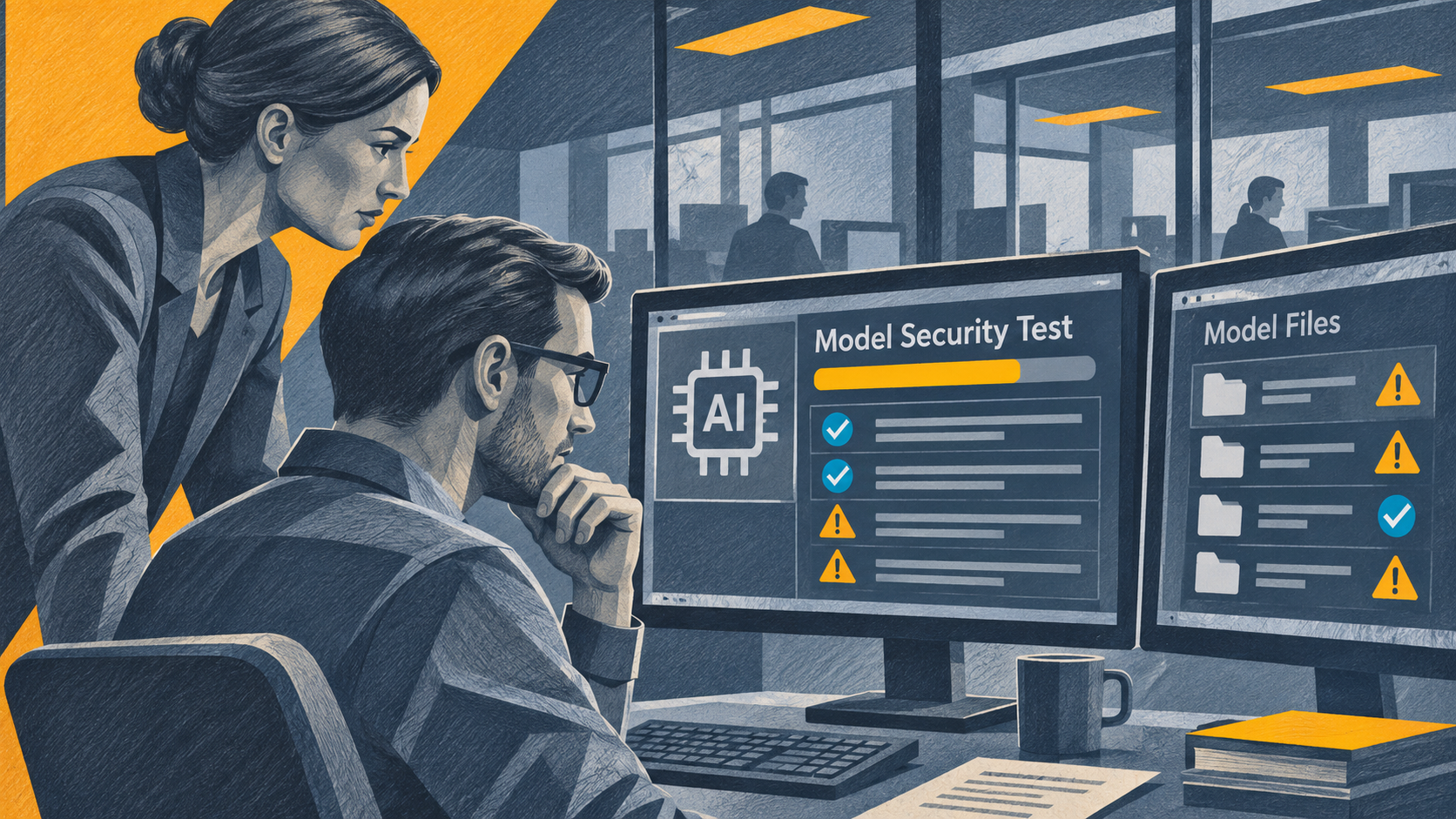
The research identifies the importance of mapping dependencies across models, data sources, infrastructure providers, and business processes.
Such assessments can reveal whether systems considered independent are actually exposed to common technical or operational risks.
Implications for insurance and resilience —
The findings also raise questions for insurers assessing AI-related exposures across different customers.
Insurance risk diversification depends partly on the extent to which insured losses are independent. If several organisations are affected by the same underlying AI weakness, claims could become concentrated even where the insured businesses operate in different markets.
This creates challenges when estimating potential losses and determining whether an insurer's portfolio is adequately diversified.
The researchers do not establish that AI will necessarily produce widespread simultaneous failures. They identify circumstances in which conventional assumptions about independent risks may prove inadequate.
Businesses can respond by examining the underlying technologies used across their AI applications, maintaining appropriate oversight of automated activity, and testing whether critical processes can continue when systems behave unexpectedly.
The research places particular emphasis on understanding dependencies that may be hidden beneath apparently separate software products.
Its central finding is that resilience depends not simply on the number of AI systems or suppliers an organisation uses, but on the independence of the technologies and decisions supporting its operations.