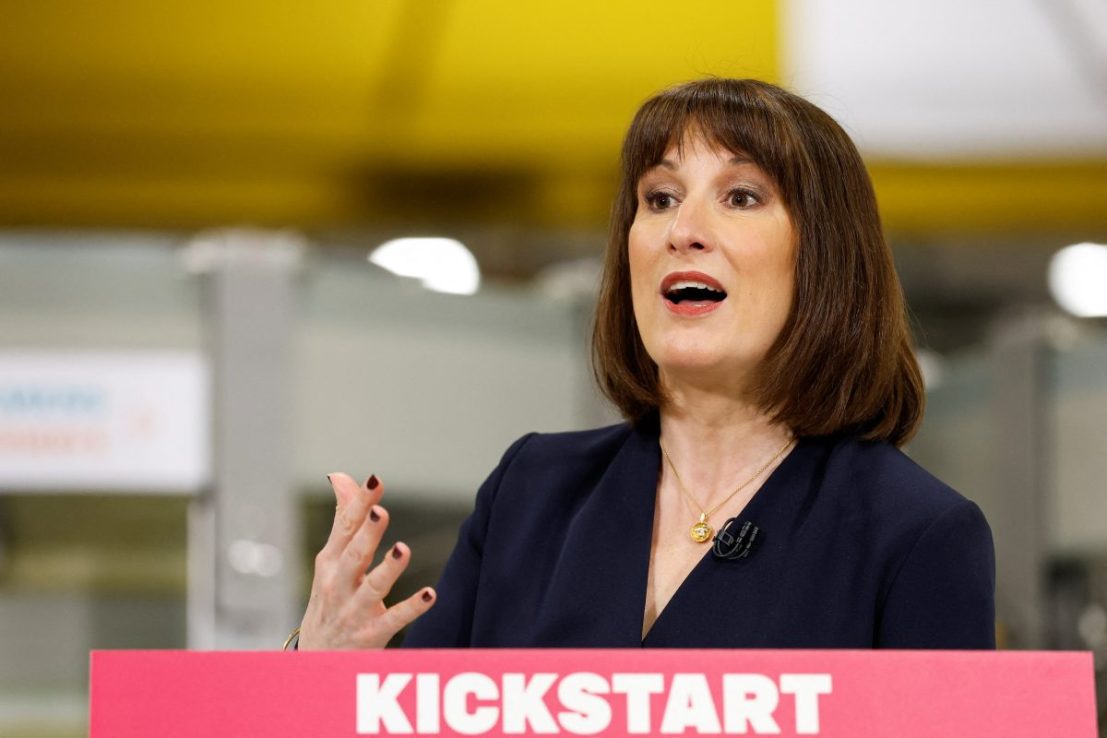
Inflation edged back up to 3.5 per cent in April, official figures have shown, as firms continue to absorb rising costs in the wake of new tax measures introduced by Chancellor Rachel Reeves. The increase coincided with the implementation of higher employer National Insurance Contributions and an uplift in the National Living Wage.
Consumer prices rose by 1.2 per cent on a monthly basis – the sharpest increase seen since October 2022. The rise was part of what many in the sector have referred to as ‘Awful April’, a challenging period marked by a surge in utility costs and new fiscal measures impacting businesses. Energy bills shot up by as much as 6.4 per cent, while water bills climbed by an average of £600, putting further upwards pressure on prices.
Despite economists being split over forecasts, the official reading slightly outpaced Bloomberg’s consensus estimates. Analysts at Pantheon Macroeconomics said they expected inflation could reach as high as 3.6 per cent. The outcome also aligns closely with projections from the Bank of England’s latest central forecast.
Of particular concern to the Bank is the measure of services inflation, which rebounded from 4.7 per cent to 5.7 per cent in April. Grant Fitzner, acting director general at the Office for National Statistics (ONS), attributed the rise mainly to higher household bills. “Gas and electricity bills rose this month compared with sharp falls at the same time last year due to changes to the Ofgem energy price cap,” he said. “Water and sewerage bills also rose strongly this year, as did vehicle excise duty, which all pushed the headline rate up to its highest level since the beginning of last year.”
The latest figures are unlikely to ease the Bank of England’s caution over monetary policy action. Rate-setters have continued to express hesitation on cutting interest rates, citing persistent inflation levels well above their two per cent target. Deputy Governor Clare Lombardelli and chief economist Huw Pill have pointed to strong wage growth and Reeves’ tax policy as contributing factors. Lombardelli warned last week that pay increases of nearly six per cent were inconsistent with the Bank’s inflation goals and could fuel “second-round effects” that keep price pressures elevated into the year.
Both Lombardelli and Pill have cautioned against entrenched inflation expectations, with workers and firms adjusting pricing and wages in response to ongoing uncertainty — a legacy of the global pandemic and the war in Ukraine.
Further afield, the Bank has been attempting to assess the inflationary impact of US tariffs under President Trump. While the monetary policy committee expects the effect on UK inflation to be marginally disinflationary – due to subdued global demand and trade diversion – Pill believes any impact may be smaller than initially forecast. The economic hit may also be lessened if Washington secures more trade agreements.
Chancellor Reeves is scheduled to meet later today with her US counterpart, Treasury Secretary Scott Bessent, during the G7 gathering in Banff, Canada. It will be their first in-person meeting since a recent deal was struck to ease tariffs on British steel and car exports, potentially paving the way for broader trade cooperation.