Canva has unveiled Canva AI 2.0, describing it as the company’s biggest shift since its 2013 launch and positioning the platform more directly at the centre of workplace creation, planning, and execution.
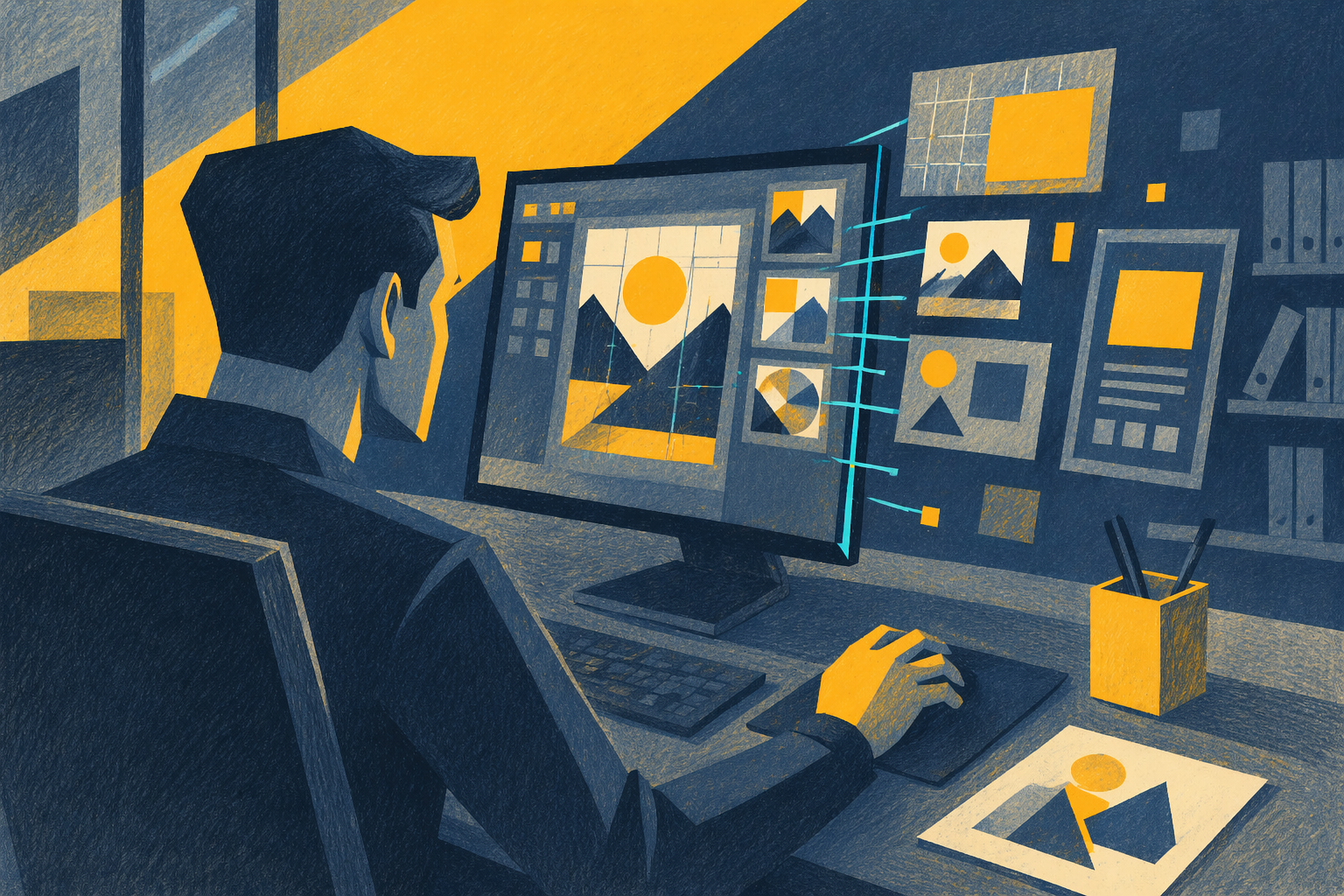
Announced at Canva Create in Los Angeles, the update introduces what the company calls a new architecture layer built around conversational design, agentic orchestration, object-based intelligence, and living memory. In practice, that means users can begin with a prompt, voice dictation, or rough brief, and generate editable designs that retain structure, brand logic, and layout from the start. Canva said the system is designed to stay in context as work evolves, helping teams refine and iterate rather than producing a single static output.
The company is also extending the platform well beyond design generation. New workflows include connectors for Slack, Notion, Zoom, Gmail, Google Drive, and Google Calendar, allowing Canva AI to pull from workplace content and schedules to create outputs such as meeting summaries, sales materials, newsletters, and campaign assets. Scheduling tools will also let tasks run in the background, while Web Research is intended to bring structured online information directly into editable designs.
Other additions include Brand Intelligence for applying brand rules automatically, Canva Code 2.0 with HTML importing, Sheets AI for structured spreadsheet creation, and Template Remix, which Canva said turns its template library into a near-endless starting point for adaptation. The company is also leaning harder into interoperability, saying users can now bring artefacts from Claude and ChatGPT into Canva, edit them collaboratively, and publish them as websites.
Underpinning the release is Canva’s frontier AI lab, where more than 100 researchers are working on multimodal models built for design. The company said its latest models can be trained, evaluated, and deployed in as little as a month, and claimed major gains in speed and cost against comparable frontier alternatives across image generation, style transfer, and image-to-video tools.
Canva also said it has deepened its collaboration with Anthropic, bringing Canva’s Design Engine and Visual Suite into Claude. Starting 16 April, Canva AI is launching as a research preview for the first one million users who discover it on Canva’s homepage, with wider access due to expand over the following weeks.