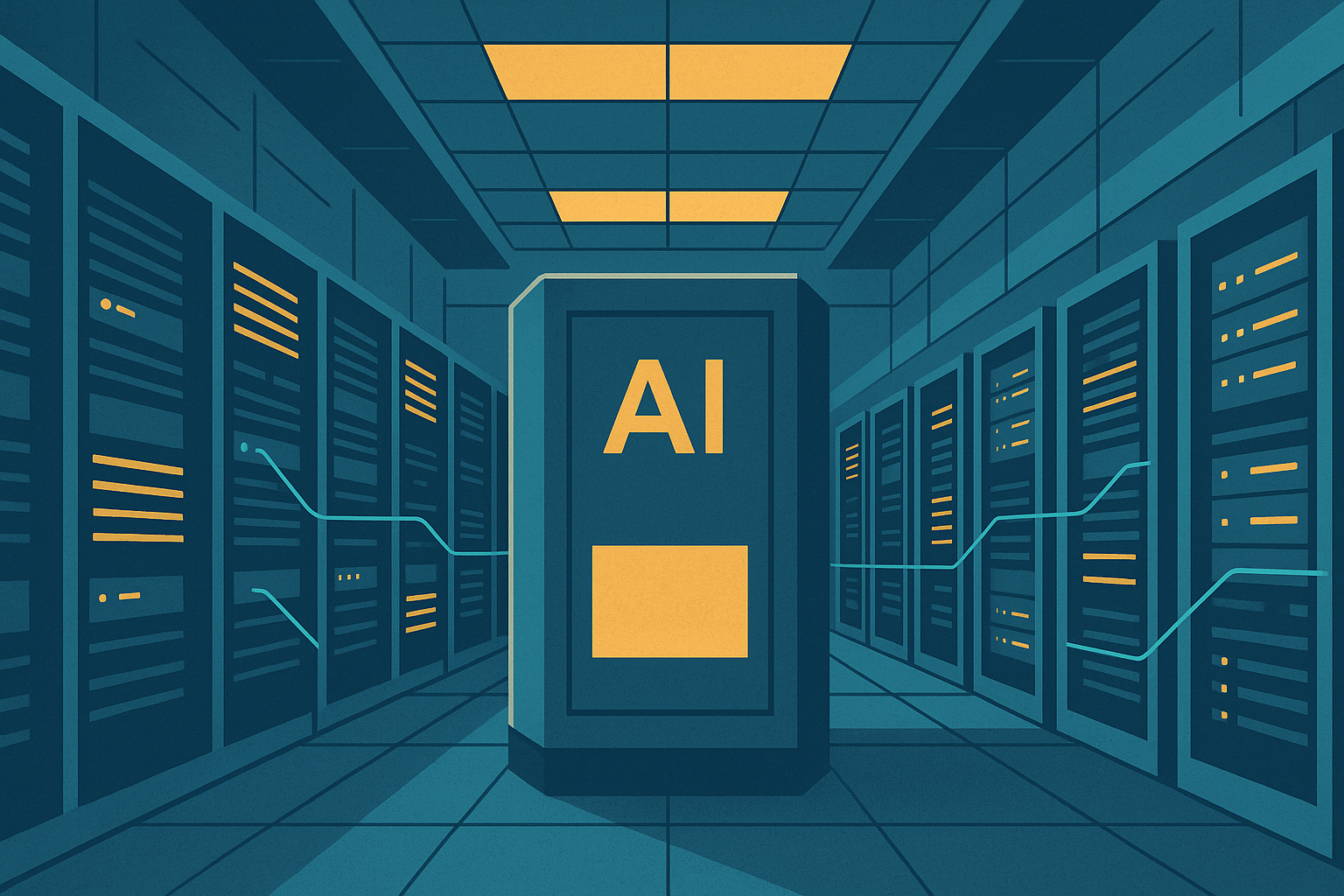
Microsoft will invest £22 billion in UK artificial intelligence. The move was announced as part of a wider £31 billion UK-US technology agreement, involving Nvidia, Google, and OpenAI, and includes a national AI supercomputer, new data centres, and thousands of advanced processors.
Microsoft chair and chief executive Satya Nadella said the investment could accelerate economic growth. Speaking to the BBC, he said: “The hope is it won’t be ten years, maybe even five.”
Half of Microsoft’s pledge will fund new infrastructure projects, including Britain’s largest AI supercomputer, developed with UK-based company Nscale. The remainder will support cloud services, operations, and specialist training programmes for engineers and researchers. The company confirmed that 23,000 graphics processing units will be deployed in Britain to power new machine learning workloads.
The UK government said the initiative would be anchored by an “AI Growth Zone” in the North East of England. Officials forecast more than 5,000 jobs in the region, with further private capital expected to follow. Ministers said the project could drive advances in healthcare, climate science, and advanced manufacturing.
The Tech Prosperity Deal was unveiled during the state visit of US President Donald Trump, who described it as “transformational” for the UK-US technology relationship. The agreement brings together commitments from multiple American technology companies worth more than £31 billion.
Analysts noted that the programme signals the UK’s intent to secure a leading position in global AI. While the United States and China currently dominate large-scale investment, the UK’s focus on combining infrastructure with skills training could help create a competitive ecosystem. The government has also highlighted potential benefits for start-ups, which may gain access to new compute capacity at lower cost.
At the same time, questions remain about the sustainability of the rollout. Large-scale AI training requires significant computing power, increasing pressure on the UK’s electricity grid. Policymakers are expected to weigh energy demands against climate commitments, while also addressing concerns about reliance on overseas companies to deliver critical infrastructure.
Nadella said the initiative demonstrated long-term confidence in the UK. “The UK has all the ingredients — talent, research strength, and ambition — to become a global AI leader,” he said.