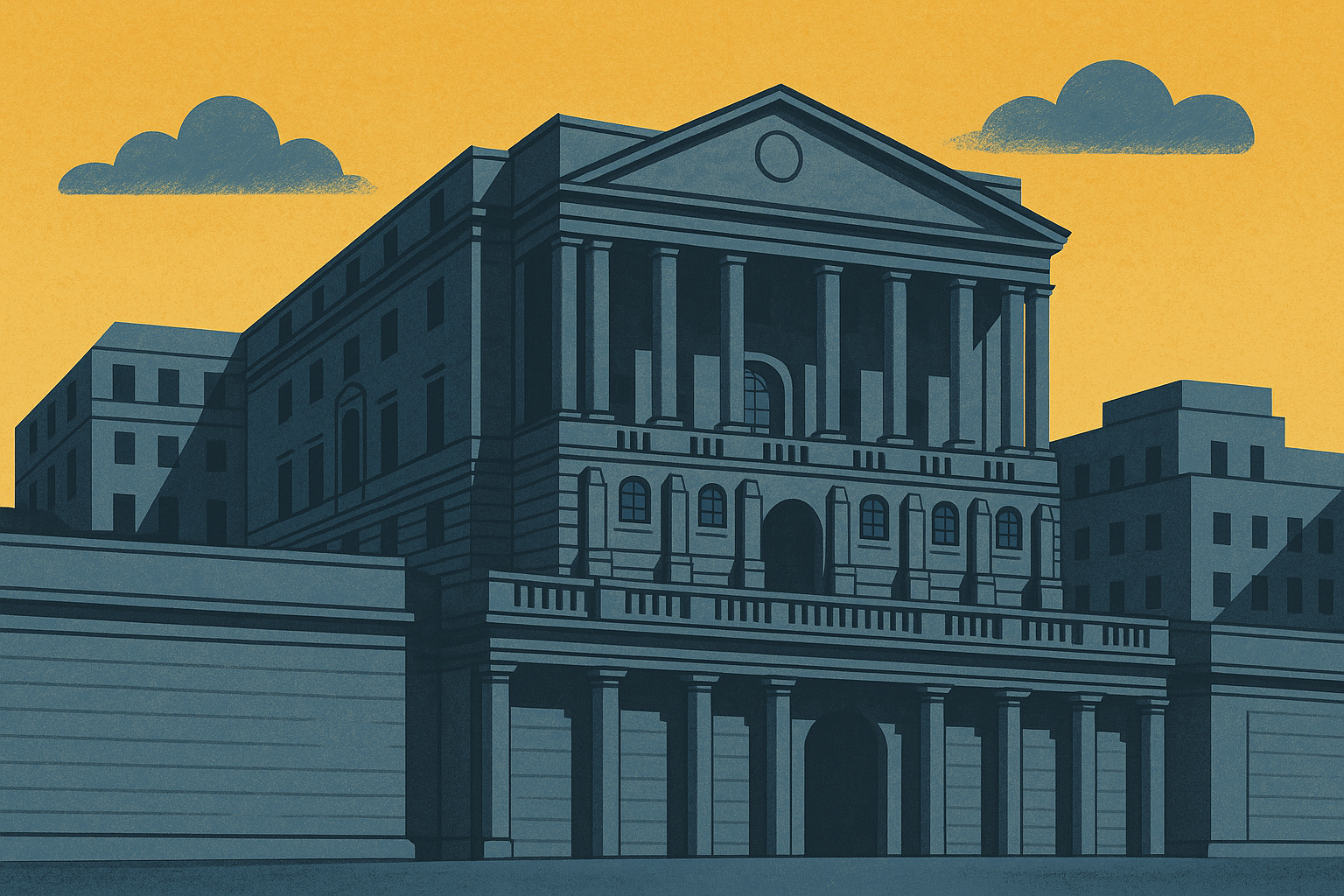
The Bank of England is under renewed pressure to cut interest rates at its next policy meeting in August, despite a surprise rise in UK inflation last month that has unsettled markets and policymakers.
Nigel Green, chief executive of deVere Group, called on the Bank to “press ahead” with a 25 basis-point rate reduction when the Monetary Policy Committee convenes on 7 August, warning that the risk of an economic downturn now outweighs fears over inflation.
“One hotter-than-expected print should not knock the Bank off course… the real risk now is overkill,” Green said, referencing the latest consumer price index reading, which accelerated unexpectedly in June.
Official data showed headline inflation rising to 3.6% in June, up 0.2 percentage points from May. Core inflation also edged higher to 3.7%, with food and clothing prices remaining elevated. Services inflation stayed flat at 4.7%, underscoring the stickiness of domestic cost pressures. UK inflation now sits roughly one percentage point above levels in the US and euro area, its widest gap since January 2024.
Despite these figures, market participants largely expect the Bank to begin easing soon. The Bank Rate remains at 4.25% following a 6-3 hold vote in June, with three policymakers already backing a cut. Market pricing indicates an 80% chance of a 25 basis-point reduction next month and around 50 basis points of cuts by year-end.
The recent uptick in inflation has led some analysts to urge caution. Sanjay Raja of Deutsche Bank said, “Enough of a slowdown in GDP and the labour market to warrant a ‘gradual and careful’ easing.” Meanwhile, others note that sticky services inflation could limit the pace of rate cuts. “The bar to cutting faster remains high,” said Francesco Pesole of ING.
The macroeconomic backdrop facing the Bank is increasingly complex. UK GDP fell by 0.2% in May, its second consecutive monthly decline, and the rebound seen in the first quarter appears to be fading. Regular pay growth slowed to 5.2% in the three months to April, down from 5.5% previously, and job vacancies continue to decline. The services sector returned to slight growth in May, with a Purchasing Managers’ Index reading of 50.9.
With monetary policy still well above its pre-pandemic range and political attention fixed on the cost of living, all eyes are on whether the Bank will be first among major central banks to ease, and how quickly it will move thereafter. As market expectations and political pressures mount, the Bank faces a growing dilemma: how to balance persistent domestic inflation with mounting evidence of an economic slowdown.