British toiletries and cosmetics business Baylis & Harding has reported double-digit revenue and profit growth as international sales expand and the family-owned company diversifies its supply chain.
The Redditch-based business recorded turnover of £83.2m for the financial year ended 31 May 2026, representing a 14.8% increase from £72.5m during the previous year.
Pre-tax profit increased from £9.4m to £11.2m, while operating profit rose from £9.1m to £11m.
The results were disclosed in annual group accounts filed at Companies House on 26 November.
British sales increased from £60.7m to £68.7m, while revenue generated elsewhere in Europe rose from £4.4m to £6m, an increase of approximately 37%.
Revenue from markets outside Europe reached £8.5m, compared with £7.4m a year earlier. International markets consequently accounted for approximately 17.4% of total turnover, up from 16.3%.
Managing international growth and supply chain exposure —
The company has continued investing in its brands, senior management capabilities, and international infrastructure, alongside developing commercial relationships with major retailers.
It has also maintained investment in its Fuzzy Duck business as part of its wider brand portfolio.
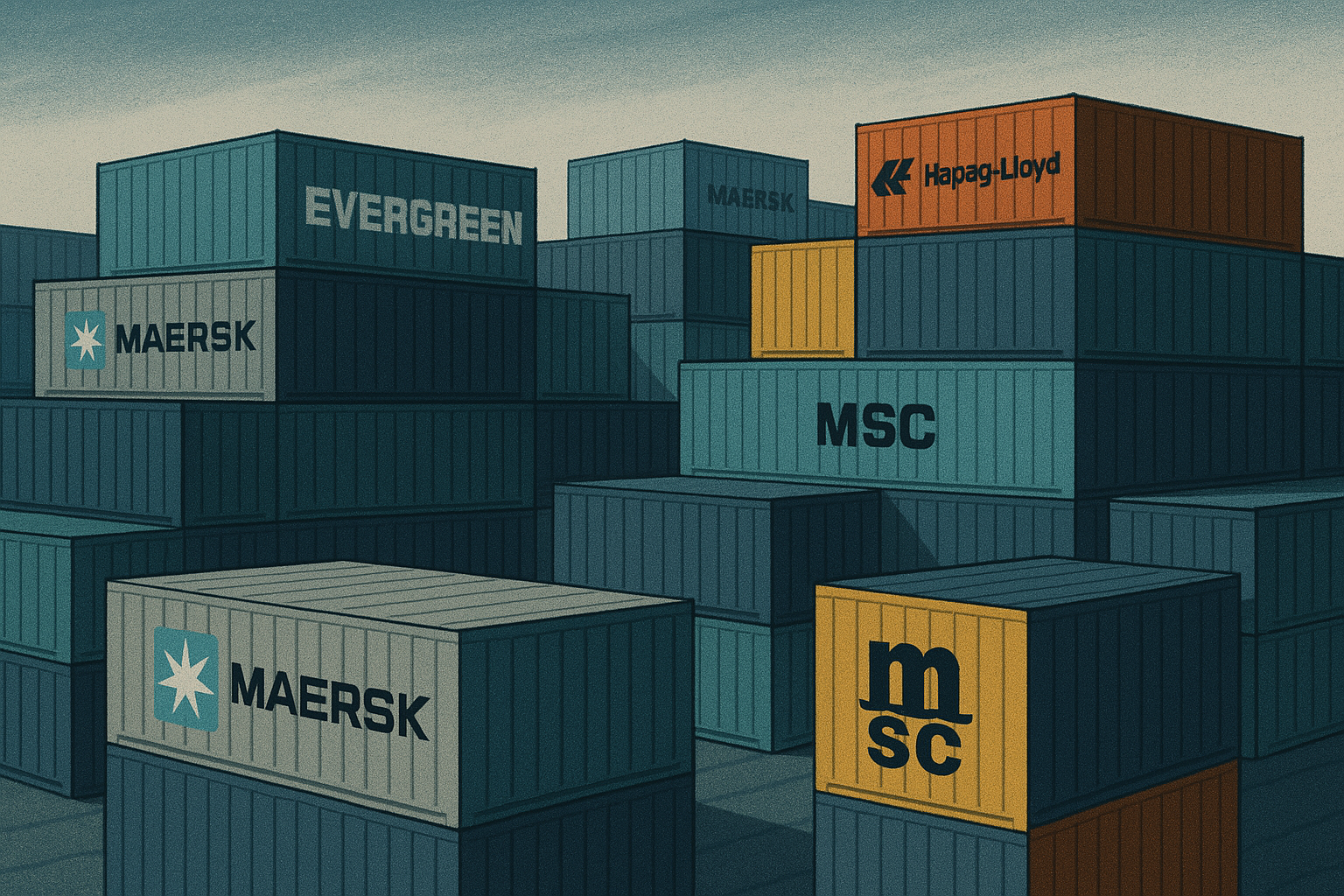
Directors identified geopolitical uncertainty, volatile raw material prices, and disruption across international freight markets as continuing operational risks.
Baylis & Harding has responded by broadening its network of manufacturing and freight suppliers, reducing dependence on individual providers and increasing access to shipping capacity.
The growing proportion of international sales also provides a greater natural offset against foreign currency expenditure. The company uses forward exchange contracts to manage remaining exposure, particularly to movements in the US dollar and euro.
At the end of May, outstanding foreign exchange contracts had a combined principal value of $7.4m. Those contracts had matured by the time the annual accounts were approved.
Workforce investment and packaging compliance —
The group’s average workforce increased from 95 to 103 employees during the year, with additional staff across production, administration, sales, and distribution.
Aggregate employment expenditure increased from £7.8m to £9.1m, reflecting investment in the company’s operational and management capabilities.
Baylis & Harding is also reviewing its packaging requirements in response to Britain’s extended producer responsibility scheme, which introduces additional financial and regulatory considerations for businesses placing packaging on the market.
The company continues to target a minimum of 30% recycled consumer plastic in applicable packaging and is working to remove single-use plastics from its gifting products.
Despite continued investment and higher operating expenditure, the group’s gross profit increased from £21.6m to £25.3m, while its operating margin rose from approximately 12.5% to 13.3%.